
 by
Fresh plaster looks ready to paint long before it is. Paint it too soon, or skip a coat, and the finish peels, flakes or turns patchy within weeks. So how many coats of emulsion on new plaster uk homeowners actually need? The answer is three coats in total: one mist coat, then two topcoats. This guide explains each coat, the drying times between them, the right mist coat ratio, and how much paint to buy.
The short answer is simple. A mist coat seals the plaster. Two topcoats give the colour and the finish. No step can be skipped. The rest of this guide covers the details: how long to wait before you start, how to mix the mist coat, how to apply it, and the mistakes that ruin new plaster paintwork.
The Short Answer: One Mist Coat Plus Two Topcoats
New plaster needs three coats of emulsion in total. The first coat is a mist coat. It is ordinary matt emulsion thinned with water. It soaks into the plaster and seals it. The next two coats are full-strength topcoats. They give the colour and the even finish.
| Coat | What it is | Mix | Drying time before the next coat |
|---|---|---|---|
| Coat 1: mist coat | Thinned matt emulsion, seals the plaster | Typically 70% paint to 30% water | Around 24 hours |
| Coat 2: first topcoat | Full-strength emulsion in your chosen colour | Straight from the tin | Typically 2 to 4 hours |
| Coat 3: second topcoat | Full-strength emulsion, evens out the colour | Straight from the tin | Done |
Some walls need more. Very porous plaster may need a second mist coat. Deep colours may need a third topcoat. Dark-to-light colour changes often need three topcoats too. But for a standard room in a pale colour, one mist coat plus two topcoats is the right answer.
How Long to Wait Before You Paint New Plaster
New plaster must be fully dry before you paint it. Wet plaster looks dark pink or brown. Dry plaster turns a uniform pale pink. That colour change is your best test. Touch the wall too. Dry plaster feels cool but not damp. If any patches still look dark, wait longer.
How long does drying take? A thin skim coat over plasterboard usually dries in 5 to 7 days in a warm, ventilated room. A full backing coat with a finishing skim can take 4 to 6 weeks. Cold, damp weather slows drying a lot. So does a room with no airflow. Open the windows a little each day, and keep the heating on low if you can. Do not use a dehumidifier right next to fresh plaster, and do not force-dry it with strong heat. Fast drying can crack the surface.
Never paint over damp plaster. Paint traps the moisture underneath. The finish will bubble, peel or grow mould. If you are unsure, wait another few days. Patience here saves a full repaint later. Our guide to what causes damp on internal walls explains how to tell damp from normal drying.
What Is a Mist Coat?
A mist coat is the first coat of paint on bare plaster. It is not a special product. It is ordinary matt emulsion, mixed with clean water until it is thin. The thin paint soaks into the porous plaster instead of sitting on top of it. It seals the surface and gives the topcoats something to grip.
Without a mist coat, full-strength emulsion dries too fast on bare plaster. The plaster drinks the water out of the paint before the binder can grip. The result is a patchy, powdery finish that peels off in sheets. That is why the mist coat matters so much. It is the coat that makes the other two coats stick.
Use a cheap, non-vinyl contract matt emulsion for the mist coat. Do not use silk, satin, vinyl matt or kitchen and bathroom paint. Those finishes seal the surface too much or grip poorly on bare plaster. Do not use PVA either. PVA creates a shiny skin that topcoats cannot grip. It causes peeling, not adhesion. Some decorators use a dedicated plaster primer instead of a mist coat. That works too. Our comparison of Zinsser vs Dulux primer covers the primer route in detail.
Mist Coat Ratio: How Much Water to Add
The standard mist coat ratio is 70% emulsion to 30% water. That is roughly seven parts paint to three parts water. Mix it in a clean bucket. Stir it well. The paint should look like thin milk. It should feel watery on the roller, not thick like normal paint.
| Plaster type | Ratio (paint to water) | Notes |
|---|---|---|
| Standard skim coat | 70:30 | The usual mix for most new plaster |
| Very porous plaster (hardwall, bonding, sand and cement) | 60:40 to 50:50 | Thinner mix soaks in further; may need a second mist coat |
| Second mist coat (if needed) | 80:20 | Slightly thicker, as the plaster is now partly sealed |
Paint makers differ on the exact ratio. Some tins say ten parts paint to one part water. Others say 40% water. Always read the tin you are using. The ratio on the tin beats any general guide. But the principle is the same for every brand: thin the paint enough that it soaks in, and do not use it at full strength on bare plaster.
How do you know if the mix is right? Roll it on and watch. A good mist coat soaks in and looks slightly see-through when wet. It dries to a flat, chalky white. If it sits on the surface like normal paint, it is too thick. Add a little more water. If it runs down the wall in drips, it is too thin. Add a little more paint.
How to Apply the Mist Coat
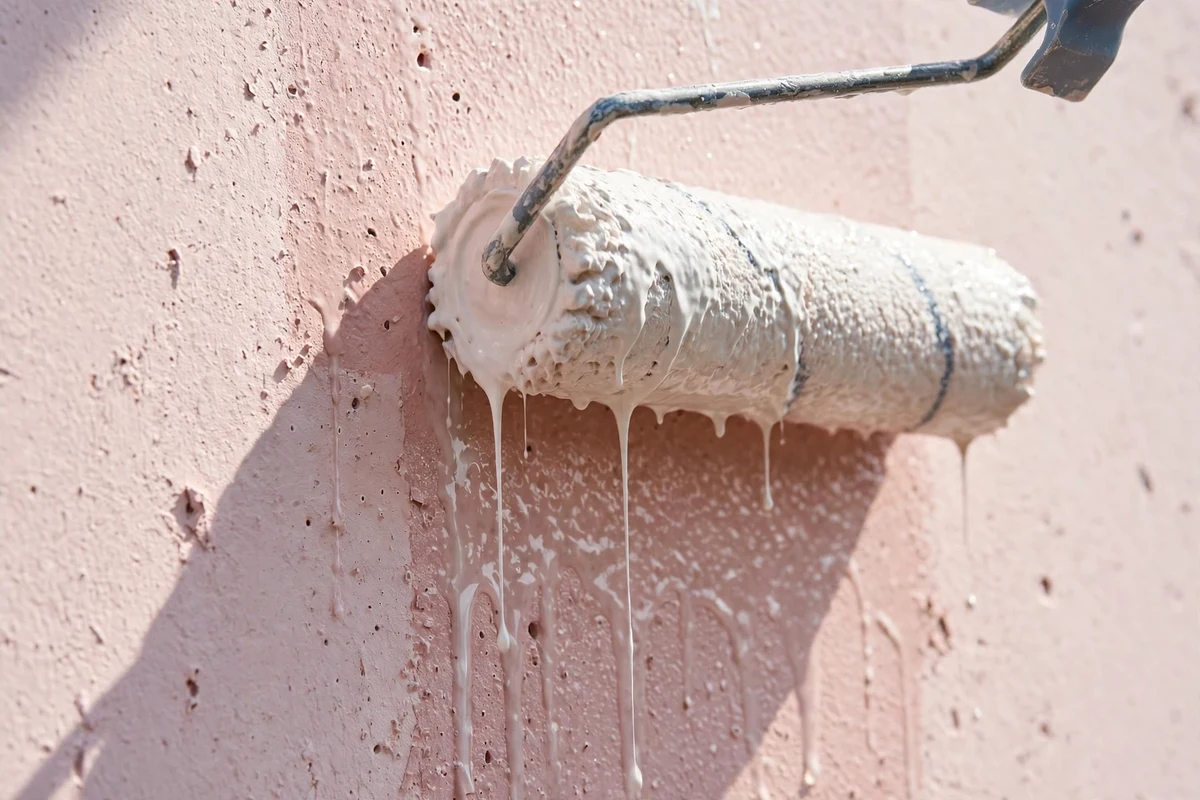
Start with a clean wall. Brush off any loose dust with a soft brush. Fill any small holes and let the filler dry. Then cut in the edges with a brush, using the same thinned paint. Work in small sections so the paint stays wet at the edges.
- Pour the emulsion into a clean bucket and add the water. Stir it until it is fully mixed.
- Load the roller lightly. A mist coat is thin, so it drips more than normal paint.
- Roll it on in long, even strokes. Do not try to build coverage. One even pass is enough.
- Work from top to bottom, and keep a wet edge so you do not leave roller marks.
- Let it dry fully. Allow around 24 hours before the first topcoat.
On very porous plaster, the first mist coat may vanish into the wall. The surface can look starved and blotchy once dry. That is normal. Apply a second mist coat at the same ratio before you move on to topcoats. Wait another 24 hours after the second mist coat.
Do not rush this step. The mist coat needs to dry fully before the topcoats go on. Painting over a damp mist coat traps moisture. It also stops the topcoat from gripping properly. If the room is cold or humid, give it longer than 24 hours.
How Many Topcoats Does New Plaster Need?
Two topcoats are the norm. The first topcoat may still look slightly uneven as it dries. That is normal on new plaster. The second coat evens out the colour and gives a solid finish. Apply both coats at full strength, straight from the tin. Do not thin the topcoats. That is the full answer to the question of how many coats of emulsion on new plaster uk homes need: one mist coat, two topcoats.
Allow at least 2 to 4 hours between topcoats. Check the drying time on the tin. Some emulsions need longer in cold or humid rooms. Touch the wall lightly. If it feels tacky, wait longer. Painting over a tacky coat pulls the first coat off and leaves a mess.
Some jobs need a third topcoat. Deep colours often need three coats for full coverage. So do strong colour changes, like dark blue over white, or white over dark red. A third coat costs little extra paint, and it is much cheaper than living with a patchy wall. Judge the wall in daylight after the second coat has dried. If you can see patches or the old colour showing through, add a third coat.
How Much Paint Do You Need?
Work out the wall area first. Measure the length of each wall and multiply by the height. Add the areas together. Then subtract a little for doors and windows, or ignore them. Ignoring them gives you a safety margin.
Coverage differs by coat. A mist coat covers less per litre, because the plaster drinks it in. Topcoats cover more. Use these typical figures to estimate:
| Coat | Typical coverage |
|---|---|
| Mist coat (thinned) | About 6 to 10 m² per litre |
| Topcoat (full strength) | About 10 to 13 m² per litre |
Take a typical room with 40 m² of wall. The mist coat needs about 5 litres of thinned paint, which is roughly 3.5 litres of emulsion plus water. Each topcoat needs about 4 litres. So the whole job needs around 12 litres of emulsion in total. A 10-litre tin plus a 2.5-litre tin covers it, with a little left over. Buying the larger tin is almost always cheaper per litre. Our guide to Dulux vs Johnstone’s paint compares the two most popular brands, including price per litre.
Which Emulsion to Use on New Plaster
For the mist coat, use a cheap contract matt emulsion. It is made for this job. It is thin, it soaks in well, and it costs less than premium paint. Do not waste an expensive tin on the mist coat. The mist coat is mostly hidden under the topcoats.
For the topcoats, use the emulsion that suits the room. Vinyl matt is the standard choice for living rooms and bedrooms. It gives a flat, even finish. Soft sheen suits hallways and stairs, where walls get touched more. For bathrooms, use a bathroom emulsion after the mist coat. It resists steam and mould. For kitchens, use a kitchen emulsion. It resists grease and wipes clean.
Some people use a dedicated plaster primer instead of a mist coat. Products like Zinsser Gardz seal bare plaster well. They cost more than a mist coat, but they are faster. You apply one coat of primer, let it dry, then apply two topcoats. If your plaster is very powdery or damaged, a primer can be the better choice.
Mistakes That Ruin New Plaster Paintwork
The most common mistake is painting too soon. Wet plaster and paint do not mix. The paint peels, bubbles or grows mould. Wait until the plaster is a uniform pale pink all over. If in doubt, wait longer.
The second mistake is skipping the mist coat. Full-strength emulsion on bare plaster dries too fast. It peels off in sheets. There is no shortcut here. Every new plaster wall needs a mist coat or a primer.
The third mistake is using the wrong paint for the mist coat. Silk, satin, vinyl matt and PVA all cause problems on bare plaster. Use a non-vinyl contract matt, or a dedicated plaster primer. Read the tin before you mix.
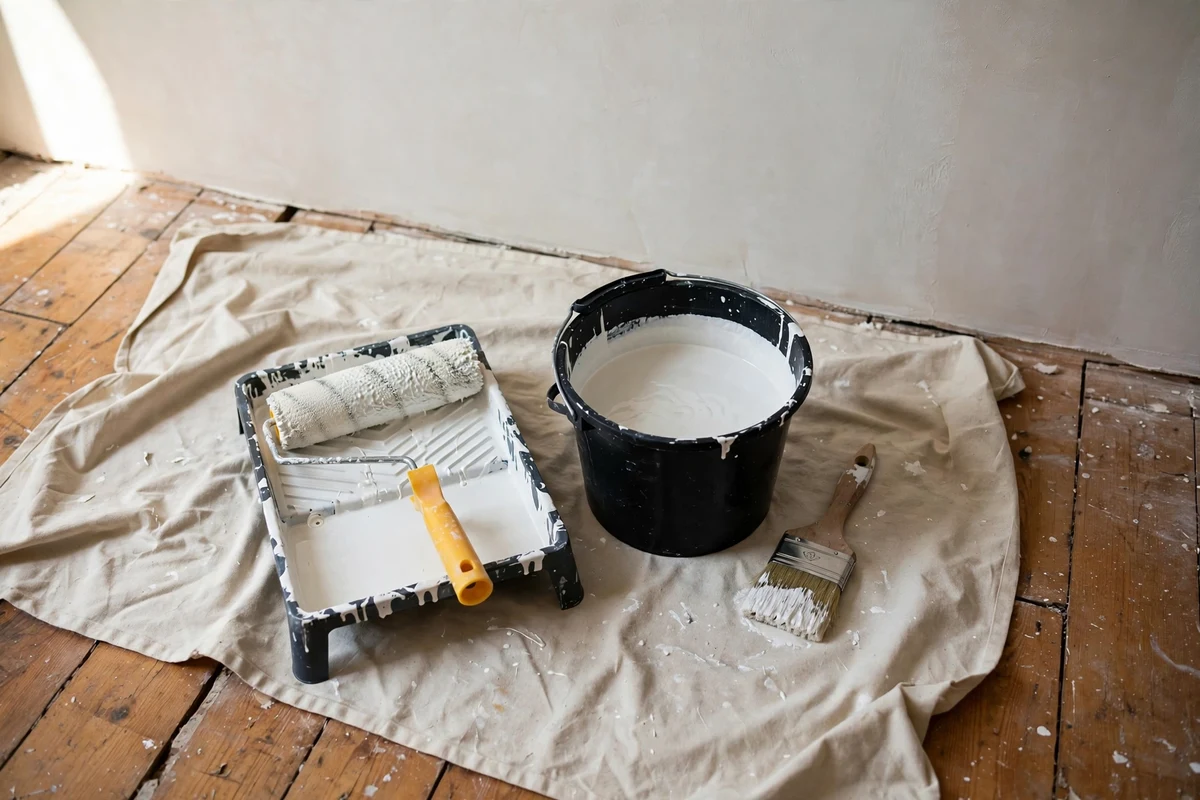
The fourth mistake is overloading the roller. A loaded roller drips, and drips leave marks that show through the topcoats. Load the roller lightly. Roll off the excess in the tray. Two thin coats beat one thick coat every time.
The fifth mistake is painting in a cold, damp room. Emulsion needs warmth and airflow to dry properly. If the room is below 10°C, the paint may not cure well. Open a window a little for airflow, and keep the heating on low. Do not paint on a wet day if you can avoid it.
New Plaster in Bathrooms
Bathrooms need extra care. Steam makes drying slower, and damp plaster is more likely to grow mould. Let bathroom plaster dry fully before you paint. That can take longer than in a bedroom, because the room is smaller and less ventilated.
Use the same sequence: mist coat, then two topcoats. But use a bathroom emulsion for the topcoats. Bathroom emulsion resists moisture and mould. Do not use a standard matt emulsion in a bathroom. It will not last. Also, do not use silk or vinyl paint for the mist coat, even in a bathroom. The mist coat rules are the same everywhere.
If the bathroom has no window, fit or use an extractor fan while the paint dries. Good airflow matters more in a bathroom than anywhere else. Our guide to lining paper vs skimming plaster covers other ways to finish a wall that keeps giving trouble.

Frequently Asked Questions
Can I paint new plaster without a mist coat?
No. Bare plaster is very porous. Full-strength emulsion dries too fast on it, and the finish peels off in sheets. You need a mist coat or a dedicated plaster primer first. There is no shortcut. One mist coat takes little time and saves a full repaint.
What is the best mist coat ratio for new plaster?
The standard ratio is 70% emulsion to 30% water. On very porous plaster, use 60:40 or even 50:50. Always check the tin, as makers differ. Dulux suggests ten parts paint to one part water in its own guidance, while other brands suggest up to 40% water. Use cheap non-vinyl contract matt emulsion, never silk or PVA.
How long should I wait before painting new plaster?
Wait until the plaster is a uniform pale pink with no dark patches. A thin skim coat usually takes 5 to 7 days in a warm, ventilated room. A full backing coat with a finishing skim can take 4 to 6 weeks. Cold, damp weather slows drying. If any patches still look dark, wait longer.
How many coats of emulsion does new plaster need in total?
The answer to how many coats of emulsion on new plaster uk is three coats in total: one mist coat plus two topcoats. Very porous plaster may need a second mist coat. Deep colours or strong colour changes may need a third topcoat. For a standard room in a pale colour, one mist coat plus two topcoats gives a solid, even finish.
Can I use silk emulsion on new plaster?
Not as the first coat. Silk, satin and vinyl emulsions seal the surface too much on bare plaster, so the topcoats cannot grip. Use a non-vinyl matt emulsion for the mist coat. You can use silk or soft sheen for the topcoats, once the mist coat has dried fully.