 by
Damp-proof paint promises a simple fix for a hard problem: paint it on, damp gone. Marketing for these paints is confident; the reality is more nuanced. This is the independent, non-salesy answer — what these products actually do, where they help, and where they are a waste of money.
Main Types of Damp-Proof Paint
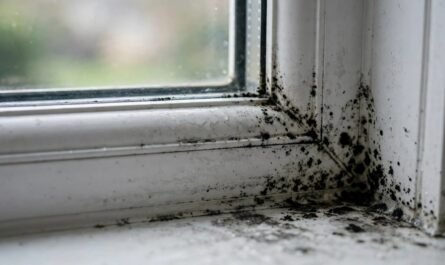
- Anti-mould paint: emulsion with fungicidal additives that inhibit mould growth on the painted surface. Prevention, not cure.
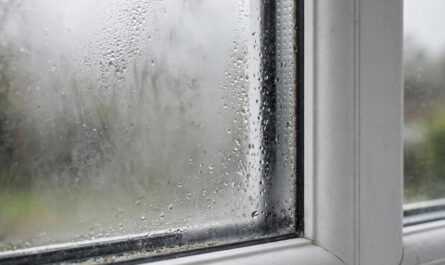
- Anti-condensation paint: contains insulating microspheres claimed to raise the surface temperature slightly, reducing condensation formation.
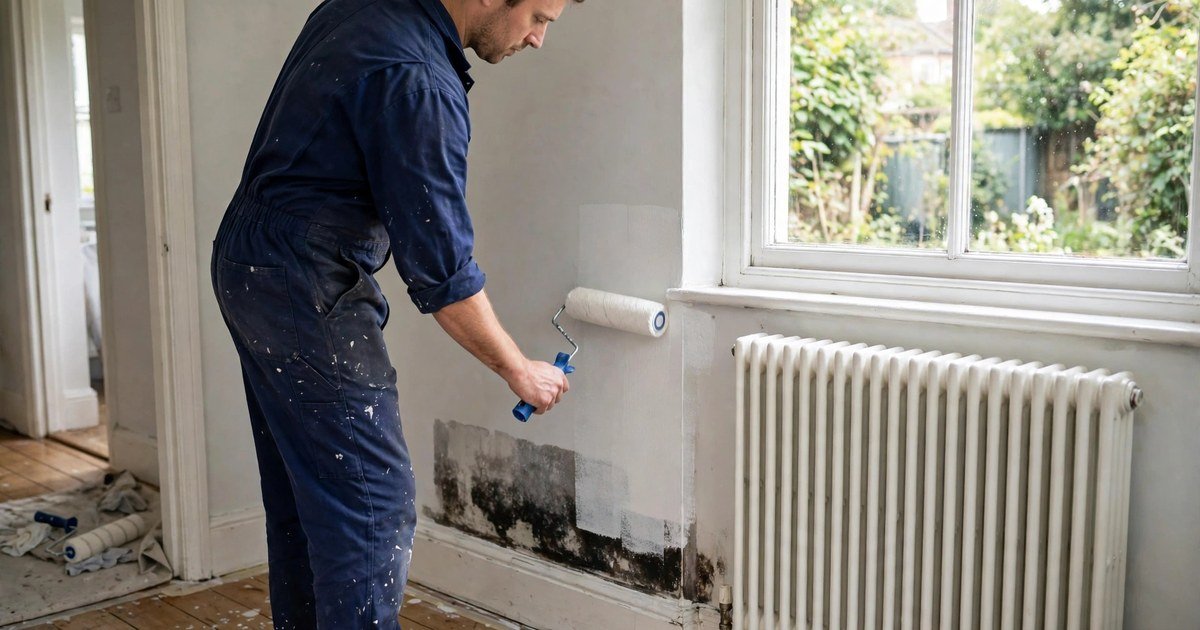
- Damp-proof/damp-seal paint: blocks moisture and stains from coming through — used on walls with residual damp staining after the cause is fixed.
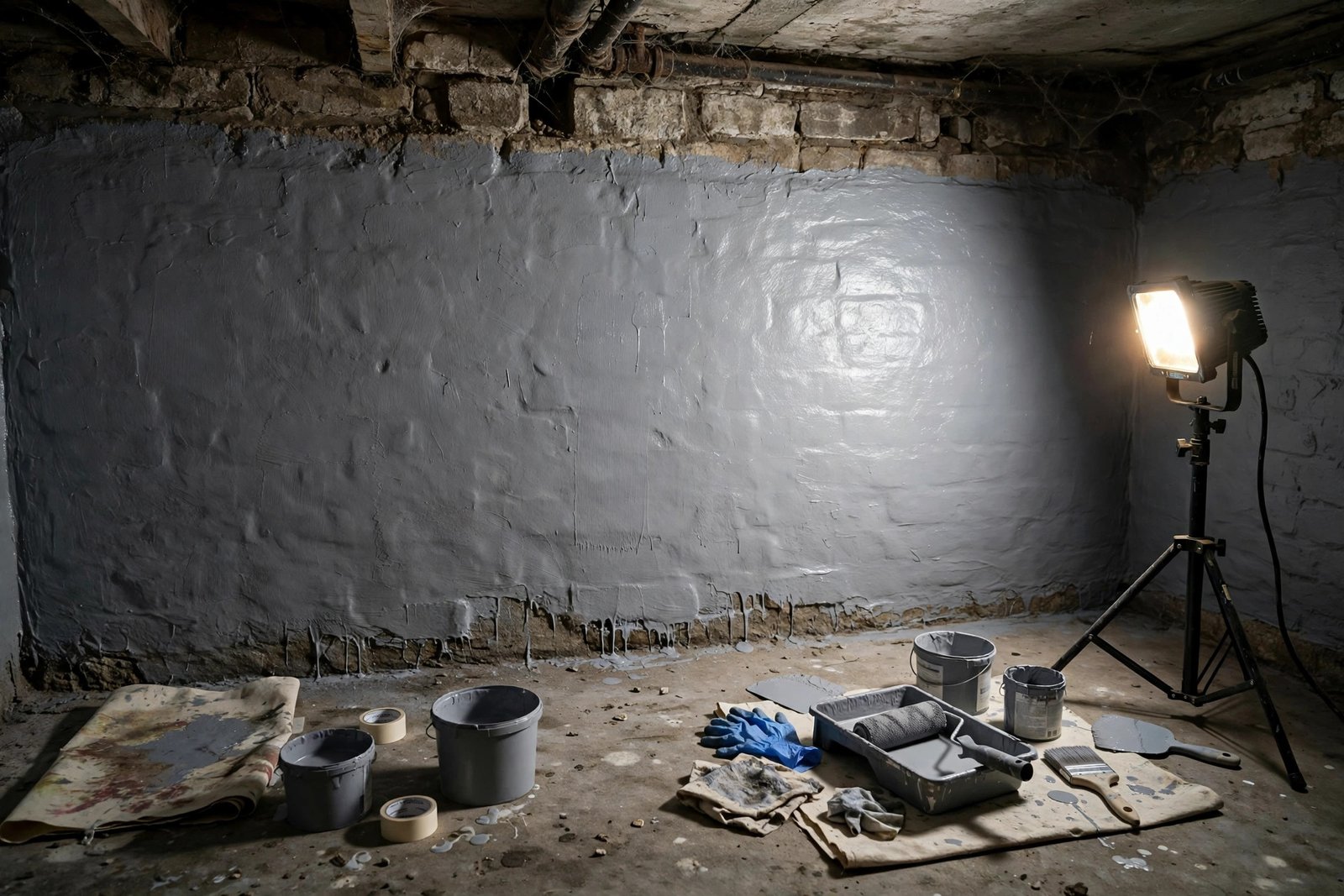
- Tanking slurry / waterproof coatings: cement-based products for cellars and below-ground walls — a different category, genuinely structural.
How Damp-Proof Paint Helps
- Suppress surface mould regrowth in condensation-prone rooms (bathrooms, kitchens, cold bedrooms) — after proper cleaning and drying.
- In addition, block old damp stains from ghosting through new decoration once you fix the leak/damp cause and the wall dries.
- In the meantime, buy time on mildly affected walls while bigger fixes (ventilation, insulation) are arranged.
Limits of Damp-Proof Paint
- Fix leaks, rising damp or penetrating damp. Paint is a coating, not a structural repair. Moisture behind it continues, and will eventually push through or find another route.
- Kill established mould underneath. Painting over live mould seals it in — it returns. See treating mould before painting.
- Substitute for ventilation. No paint compensates for a bathroom with no working extractor fan — see windowless bathroom fixes.
When Is It Worth Buying?
Yes, when: the moisture cause is fixed, the wall is clean and dry, and you want extra protection in a historically damp-prone room. Skip it when a seller presents it as the fix itself for active damp — spend that money on diagnosing the real cause instead. As a rule: paint treats surfaces; building work treats buildings.
Frequently Asked Questions
Does anti-mould paint stop mould permanently?
It inhibits regrowth for years on a properly prepared wall, but the biocides deplete over time and it cannot overcome ongoing moisture. In short, think years, not forever.
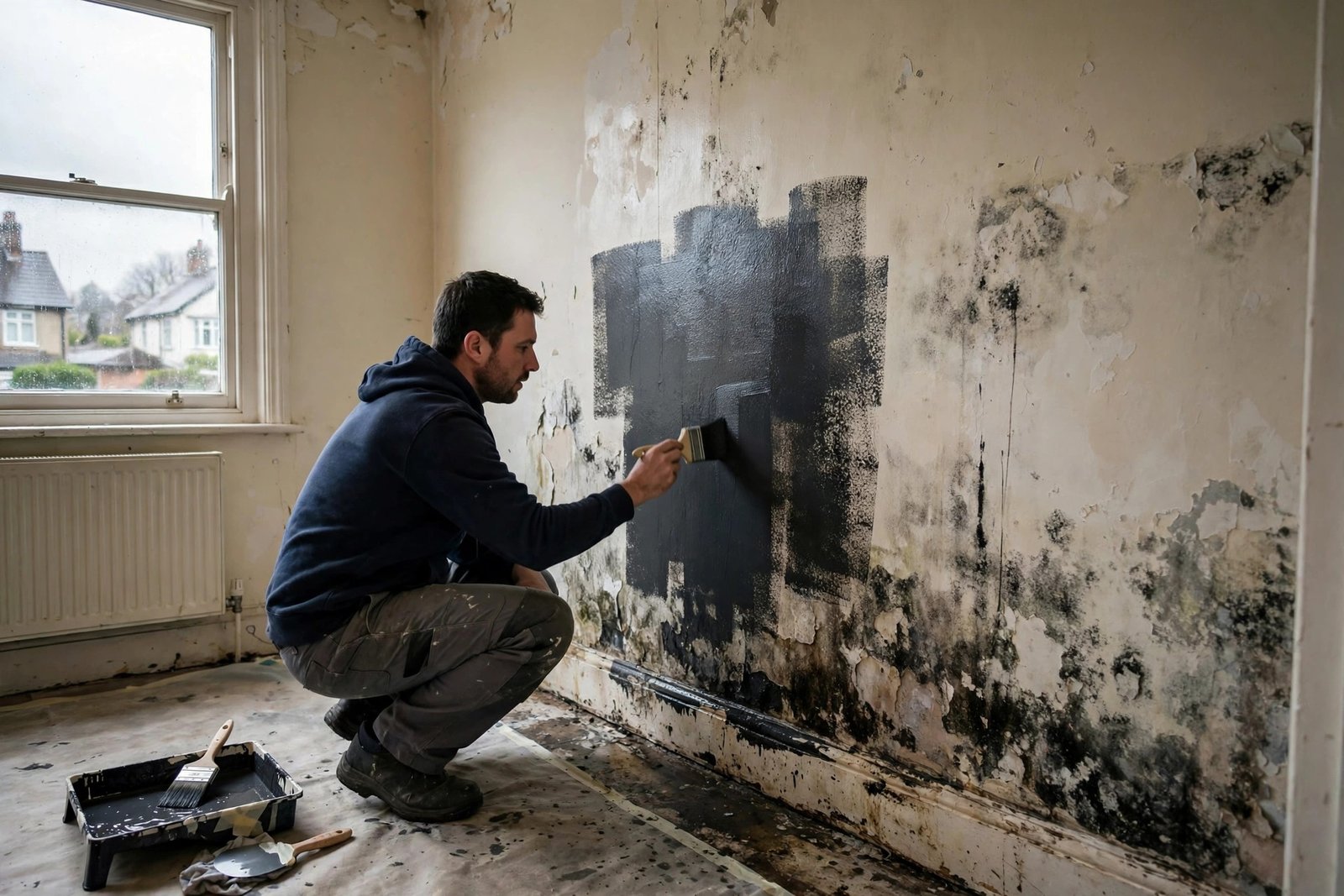
Can I paint over damp walls?
Only after the wall is dry and the cause fixed. However, painting over actively damp walls traps moisture and fails quickly.
Is damp-proof paint a substitute for a damp-proof course?
Absolutely not. A DPC is structural; paint is cosmetic protection. Anyone selling paint as a rising-damp cure is misleading you.
How long does anti-mould paint last?
Typically several years of protection in normal conditions; less in chronically damp rooms where the underlying problem persists.
What is the best damp-proof paint in the UK?
Finally, we do not pick winners — but look for established brands with independent test data, and match the product to the job (anti-mould vs stain-block vs tanking are different things).
The Bottom Line
Overall, damp-proof paints are useful finishing tools, not fixes. First, fix the moisture, prepare properly, then paint for protection. For the full system, see our mould prevention guide and complete damp guide.