 by
Eggshell vs satinwood paint uk homeowners ask about most when they paint skirting boards and doors. Both are mid-sheen woodwork paints, and both beat gloss for a modern look. The short answer is this. Satinwood is tougher and easier to wipe clean, so it suits busy areas. Eggshell is softer and flatter, so it suits quiet rooms and period homes. This guide compares sheen, durability, cost and application, so you pick the right tin for each room.
The choice matters more than it looks. The wrong finish shows every dent, or wears out in a year. The right finish lasts for years and suits the room. The sections below cover what each paint is, how they differ, where each one works best, and what they cost. They also cover water-based versus oil-based versions, and how each finish handles uneven woodwork.
Eggshell vs Satinwood Paint UK: The Short Answer
Eggshell and satinwood sit close together on the sheen scale, but they serve different rooms. Eggshell has a very low sheen, around 10 to 20%. It looks soft and flat, almost like matt. Satinwood has a mid sheen, around 30 to 45%. It catches the light a little, and it feels smoother to the touch.
| Feature | Eggshell | Satinwood |
|---|---|---|
| Sheen level | Low, around 10 to 20% | Mid, around 30 to 45% |
| Look | Soft, flat, contemporary | Gentle gleam, more traditional |
| Durability | Good, but less hard-wearing | Better, tougher surface |
| Cleaning | Wipes clean, with care | Wipes clean easily |
| Hides imperfections | Better, flatter finish hides dents | Less forgiving, shows bumps |
| Best for | Bedrooms, living rooms, period trim | Hallways, kitchens, doors, stairs |
| Typical cost (750 ml) | Typically £15 to £25 | Typically £15 to £28 |
If you want one rule, use this. For woodwork that hands, bags and children touch every day, pick satinwood. For woodwork that mostly sits and looks good, pick eggshell. Many homes use both. Satinwood goes on the hallway skirting and the doors. Eggshell goes on the bedroom skirting and the period architraves.
What Is Eggshell Paint?
Eggshell paint is named for its finish. It has the soft, low lustre of an eggshell. It sits just above matt on the sheen scale, and well below gloss. It contains less resin than satinwood, so the surface is flatter and less reflective.
Eggshell works on woodwork and walls. That makes it flexible. You can paint skirting boards, doors, architraves and even walls with it. It suits modern homes where the woodwork matches the wall colour. This is called colour drenching, and eggshell gives the most seamless result.
It also suits period homes. Old skirting boards carry dents, filled grain and settling marks. A flat finish softens those marks instead of highlighting them. So eggshell is a kind choice for Victorian and Edwardian trim. Our guide to lining paper vs skimming plaster covers another way to calm a wall that keeps showing its age.
What Is Satinwood Paint?
Satinwood is a specialist woodwork paint. It has a subtle, lustrous sheen that sits between eggshell and gloss. It contains more resin than eggshell, so the dried film is harder and smoother. That extra resin is what makes it tougher and easier to clean.
Satinwood is made for woodwork, not walls. It suits doors, skirting boards, architraves, stair spindles and window sills. It is the standard choice for high-traffic areas. Kitchens, bathrooms, hallways and stairs all benefit from its wipeable surface.
It also holds its white colour well. Modern water-based satinwoods yellow far less than old oil-based gloss. That matters on white woodwork, which shows yellowing fast. So satinwood stays bright white for longer, which is one reason decorators specify it so often.
Sheen Levels Compared
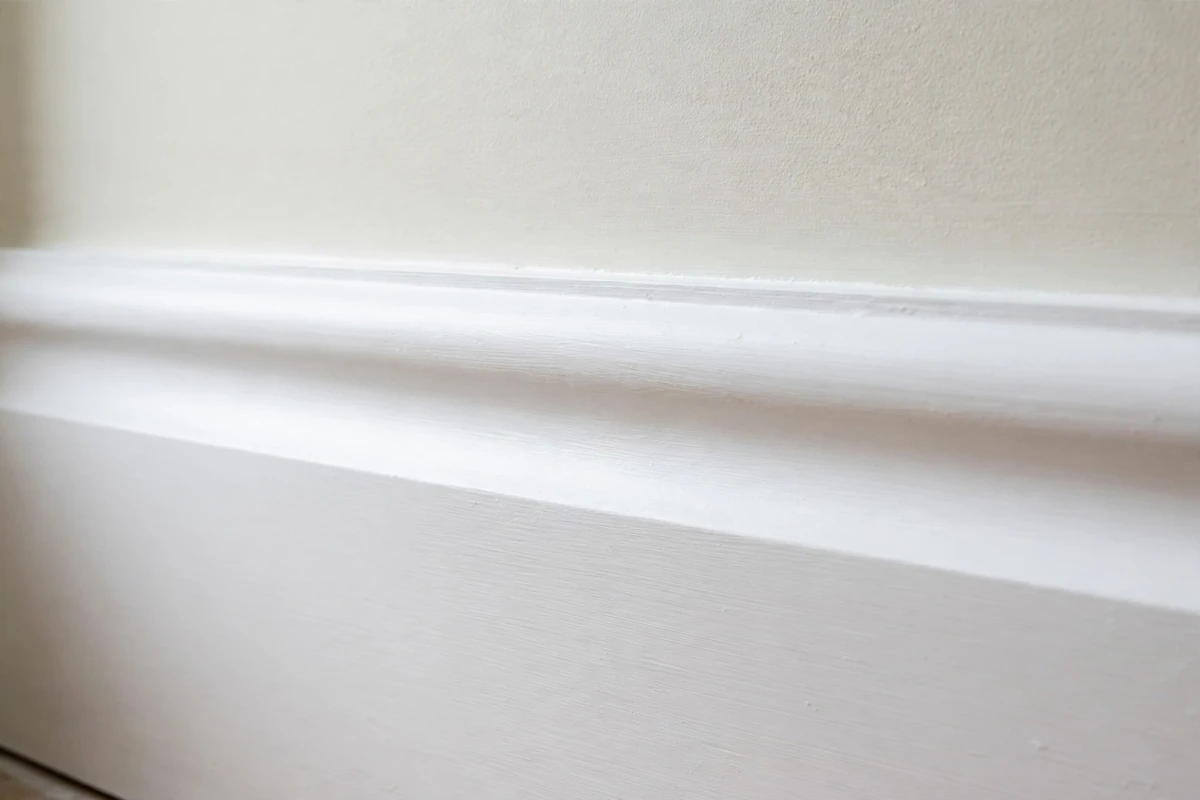
Sheen is the amount of light a painted surface reflects. It is measured as a percentage. The scale runs from matt, which reflects almost no light, to gloss, which reflects a lot. Eggshell and satinwood sit in the middle of that scale.
| Finish | Typical sheen | Look |
|---|---|---|
| Matt | Under 10% | Flat, no shine |
| Eggshell | 10 to 20% | Soft, low lustre |
| Satinwood | 30 to 45% | Gentle gleam |
| Gloss | 70% and above | High shine |
Exact figures vary by brand. One maker’s eggshell may read 15%, while another reads 20%. But the order never changes. Eggshell is always flatter than satinwood, and satinwood is always flatter than gloss. So the question is not which number is exact. It is which look suits your room.
Sheen also changes how a room feels. A flatter finish makes a room feel calm and soft. A shinier finish makes trim stand out and catch the light. In a small hallway, satinwood skirting can lift the space. In a calm bedroom, eggshell skirting blends in and lets the room rest.
Durability and Cleaning
Satinwood wins on durability. Its higher resin content gives a harder film. It resists scuffs, knocks and frequent wiping better than eggshell. That is why it suits hallways, stairs and kitchens, where paintwork takes daily contact. This durability gap is the heart of the eggshell vs satinwood paint uk debate for busy family homes.
Eggshell is durable enough for most rooms. It handles normal use well. But it marks more easily, and it needs more care when you clean it. A hard scrub can burnish the finish, leaving a shiny patch. So wipe eggshell gently, with a soft cloth and mild soapy water.
Neither finish is as tough as gloss. Gloss still gives the hardest, most wipeable surface. But gloss shows every flaw, and many homeowners dislike the shine. So satinwood is the practical middle ground. It gives most of the toughness of gloss, with a softer look.
For homes with children or pets, satinwood is the safer pick on doors and low skirting. For homes where the paintwork rarely gets touched, eggshell lasts just as long. The room decides, not the tin.
Eggshell vs Satinwood for Skirting Boards
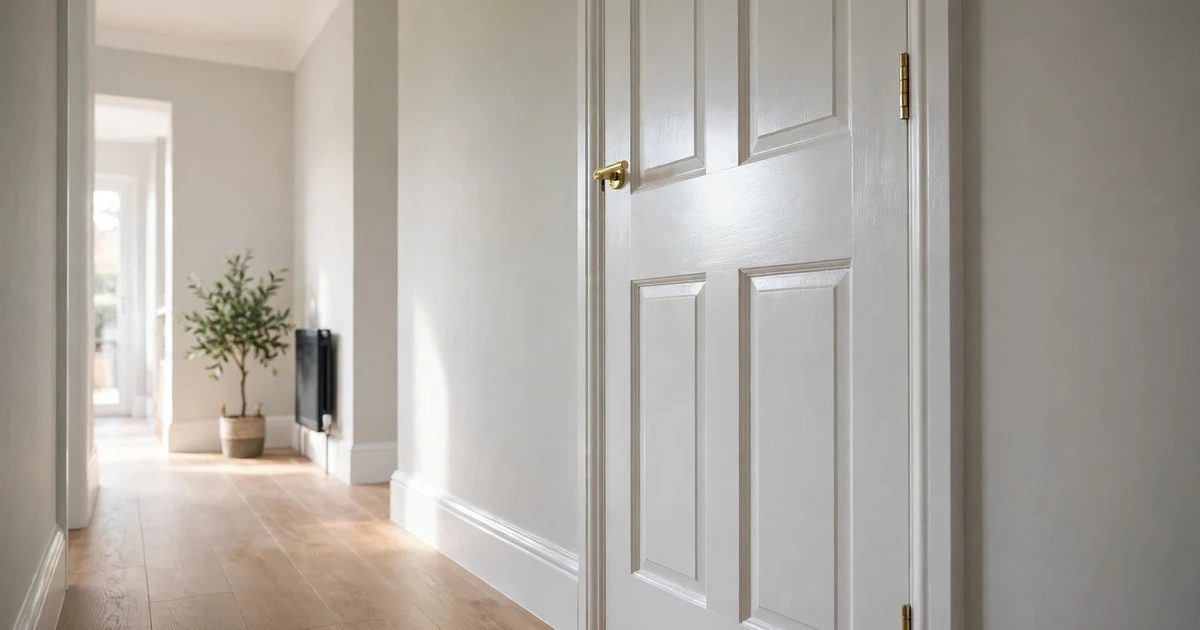
Skirting boards are the most common place this choice comes up. For most homes, satinwood is the practical pick for skirting. It wipes clean after vacuum bumps and shoe scuffs. It also defines the profile of the board, so ornate torus or ogee mouldings stand out nicely.
Eggshell suits skirting in quiet rooms. Bedrooms, studies and living rooms do not punish skirting boards. There, eggshell gives a softer, more modern look. It also works better on old, uneven boards. Period skirting often has dents and filled grain. Eggshell softens those marks, while satinwood highlights them.
One more factor is colour. If the skirting is painted the same colour as the walls, eggshell blends better. The join between wall and board almost disappears. If the skirting is white against a coloured wall, satinwood gives a crisp edge that frames the room. Both look good. They just look different.
Our comparison of Dulux vs Johnstone’s paint includes woodwork ranges from both brands, with notes on coverage and price per litre.
Eggshell vs Satinwood for Doors
Doors take more handling than skirting boards. Hands, bags and shoulders hit them every day. So satinwood is usually the better pick for interior doors. It wipes clean, resists scuffs, and holds its finish where hands grip the edges.
Eggshell suits doors in quiet rooms. Bedroom doors and cupboard doors take little contact. There, eggshell gives a softer look, and it matches the walls if you colour drench the room. It also hides the small dents that panelled doors collect over time.
For front doors, neither is the right pick. Use a dedicated exterior paint, such as an exterior gloss or satin. Interior paints are not made for rain and sun, and they fail fast outside.
When you paint a door, take it off its hinges if you can. Lay it flat on trestles. That stops runs and gives a smoother finish. If you must paint it in place, work in thin coats and keep a wet edge. Thin coats dry faster and mark less.
Cost: How Much Does Each Finish Cost?
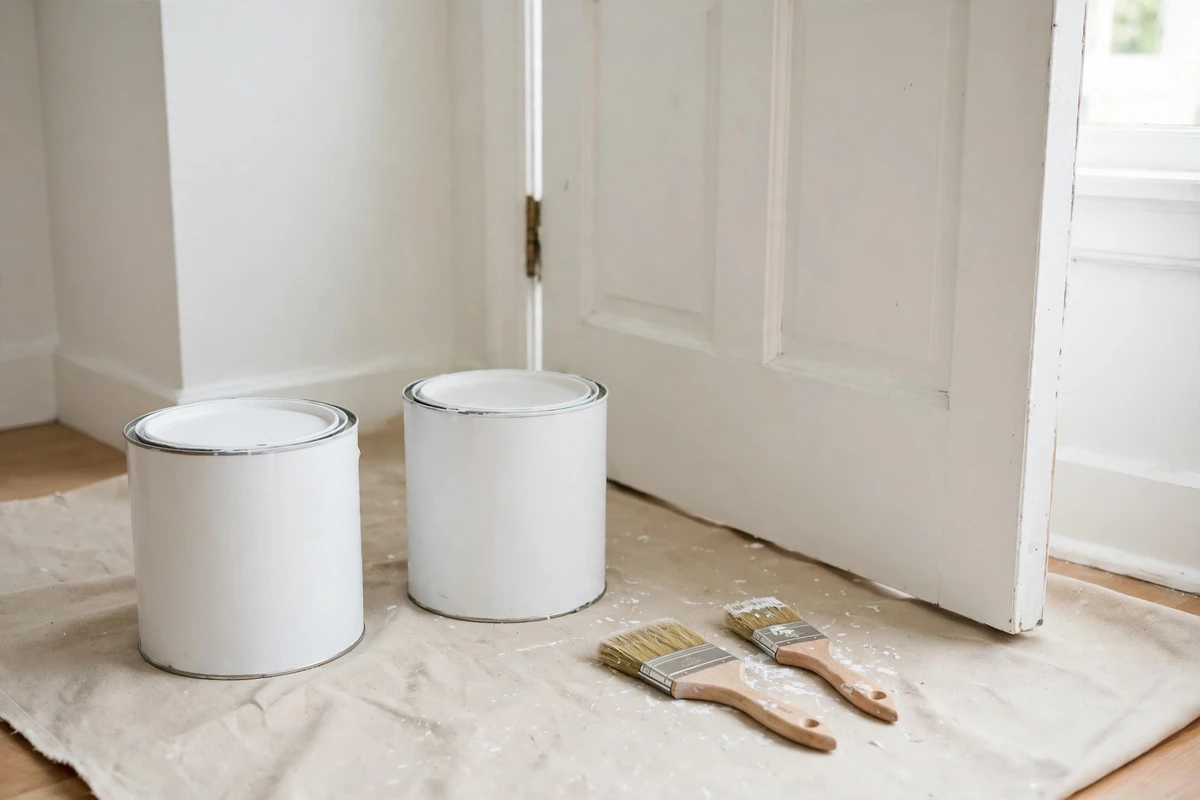
In the eggshell vs satinwood paint uk comparison, cost rarely decides the winner. Eggshell and satinwood cost roughly the same. The brand and the size of the tin matter more than the finish. A 750 ml tin of a mid-range brand typically costs £15 to £28. A 2.5-litre tin typically costs £30 to £55. Premium brands such as Farrow & Ball cost more, typically £35 to £50 for 750 ml.
Coverage is similar too. Most woodwork paints cover around 10 to 12 m² per litre. A 750 ml tin covers a few doors or a room of skirting boards. A 2.5-litre tin covers the woodwork of a whole house, or at least a full floor. Always buy a little more than you need. A spare tin for touch-ups is worth more than the money it saves to skip it.
Do not forget the primer and undercoat. Bare wood needs a primer first. Previously painted wood in good condition needs only a light sand and an undercoat. A good primer costs typically £15 to £25 for 750 ml. Skipping it is a false saving, as the topcoat peels without a proper key. Our guide to Zinsser vs Dulux primer compares two popular primer routes for tricky surfaces.
Water-Based or Oil-Based?
Both finishes come in water-based and oil-based versions. Water-based paints, often called quick-dry or acrylic, are now the standard for most homes. They dry fast, smell little, and clean up with water. A water-based satinwood is usually touch dry in 1 to 2 hours, and ready to recoat in 4 to 6 hours. They also stay white longer, as they yellow far less than oil-based paints.
Oil-based paints, also called solvent-based, dry slower and smell stronger. A traditional oil satinwood can need 16 to 24 hours between coats. But they flow out to a smoother finish, and some decorators still prefer them for high-end work. They also yellow over time, which shows on white woodwork.
For most DIY jobs, pick water-based. It is faster, easier and cleaner. It also lets you finish a door in one day. For a flawless, brush-mark-free finish on a showpiece door, an oil-based paint in skilled hands can still win. But the gap has narrowed a lot, and water-based paints now give a very good finish.
One warning: do not mix types. Do not paint water-based paint over oil-based paint without a proper primer. The new coat can peel off. If you are unsure what is on the wood now, use a primer first. It grips both types and gives the topcoat a sound base.
Which Finish Hides Imperfections Best?
Eggshell hides imperfections better. Its flatter finish reflects less light, so dents, filled grain and brush marks show less. That makes it the kind choice for old woodwork, or for a first DIY attempt. If your skirting boards are rough, eggshell is forgiving.
Satinwood shows more. Its higher sheen catches the light, and the light finds every bump. That is not a flaw. On smooth, well-prepared wood, satinwood looks sharp and crisp. But on rough wood, it can look worse than eggshell.
So preparation decides the winner. If you fill, sand and prime well, satinwood looks superb. If the wood is rough and you want a quick result, eggshell hides more. Either way, spend more time on preparation than on choosing the finish. A well-prepared board in either paint beats a rushed board in the “better” paint.
How to Choose: A Simple Decision Guide
Ask three questions. First, how busy is the room? A hallway, kitchen or stairway needs satinwood. A bedroom or study suits eggshell. Second, how good is the woodwork? Smooth, new boards suit satinwood. Old, dented boards suit eggshell. Third, what look do you want? A crisp, defined trim suits satinwood. A soft, blended trim suits eggshell.
When the answers split, mix the finishes. Use satinwood on the doors and hallway skirting, and eggshell on the bedroom skirting. Many homes do this already. The finishes are close enough that the mix looks planned, not accidental.
Finally, test before you commit. Buy a small tester pot of each finish in your chosen colour. Paint a short run of skirting in each, side by side. Live with them for a few days. Look at them in daylight and in lamplight. The right finish will be obvious. A tester pot costs a few pounds. A full repaint costs a weekend.
Frequently Asked Questions
Which is better, eggshell or satinwood for skirting boards?
The eggshell vs satinwood paint uk answer for skirting is simple. For most homes, satinwood is the practical pick. It is tougher, wipes clean easily, and defines the board profile. Eggshell suits skirting in quiet rooms, or on old, uneven boards where its flatter finish hides dents. Many homes use satinwood in hallways and eggshell in bedrooms.
Is satinwood more durable than eggshell?
Yes. Satinwood contains more resin, so the dried film is harder and more scratch-resistant. It handles frequent cleaning and daily knocks better than eggshell. Eggshell is durable enough for low-traffic rooms, but it marks more easily and needs gentler cleaning.
Can you use eggshell paint on walls?
Yes. Eggshell works on walls as well as woodwork. It gives a soft, low-sheen finish that suits bedrooms and living rooms. It is a good pick when you want the woodwork and the walls in the same colour, as it blends the two together. Satinwood is made for woodwork, not walls.
Is satinwood paint water-based or oil-based?
Both types exist. Most satinwood sold today is water-based, often called quick-dry or acrylic. It dries in 1 to 2 hours and recoats in 4 to 6 hours. Traditional oil-based satinwood dries slower, needs 16 to 24 hours between coats, and can yellow over time. For most DIY jobs, water-based is the easier pick.
Which finish hides imperfections better, eggshell or satinwood?
Eggshell hides imperfections better. Its flatter finish reflects less light, so dents, filled grain and brush marks show less. Satinwood catches more light, so it shows bumps on rough wood. If your woodwork is old or uneven, eggshell is the forgiving choice. If the wood is smooth and well prepared, satinwood looks sharp.