 by
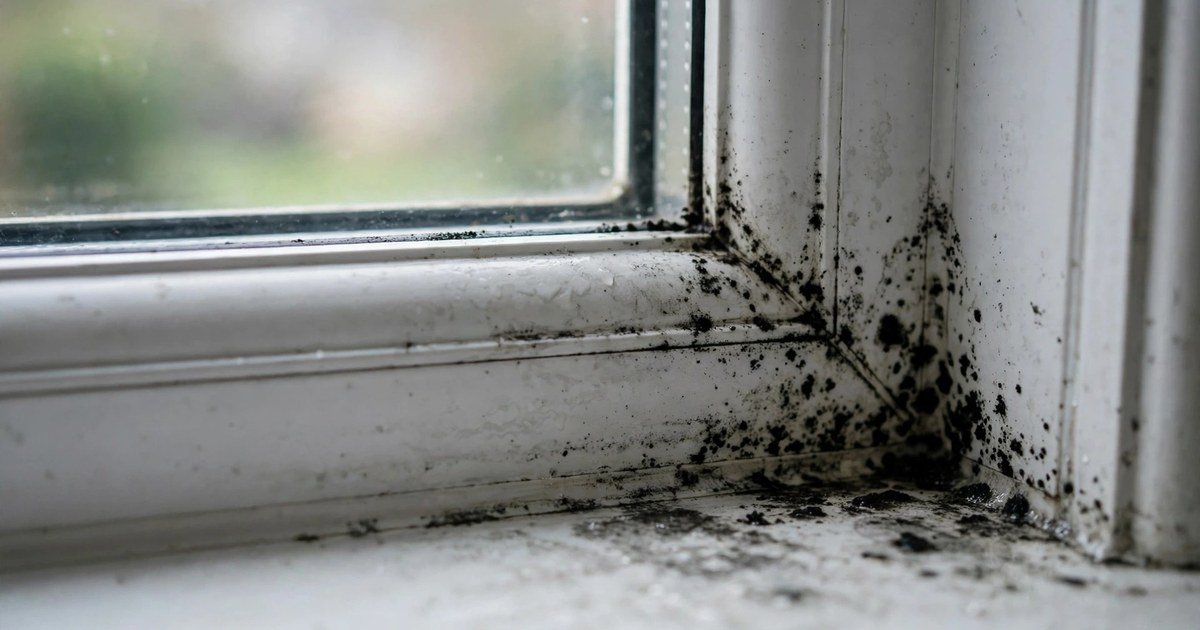
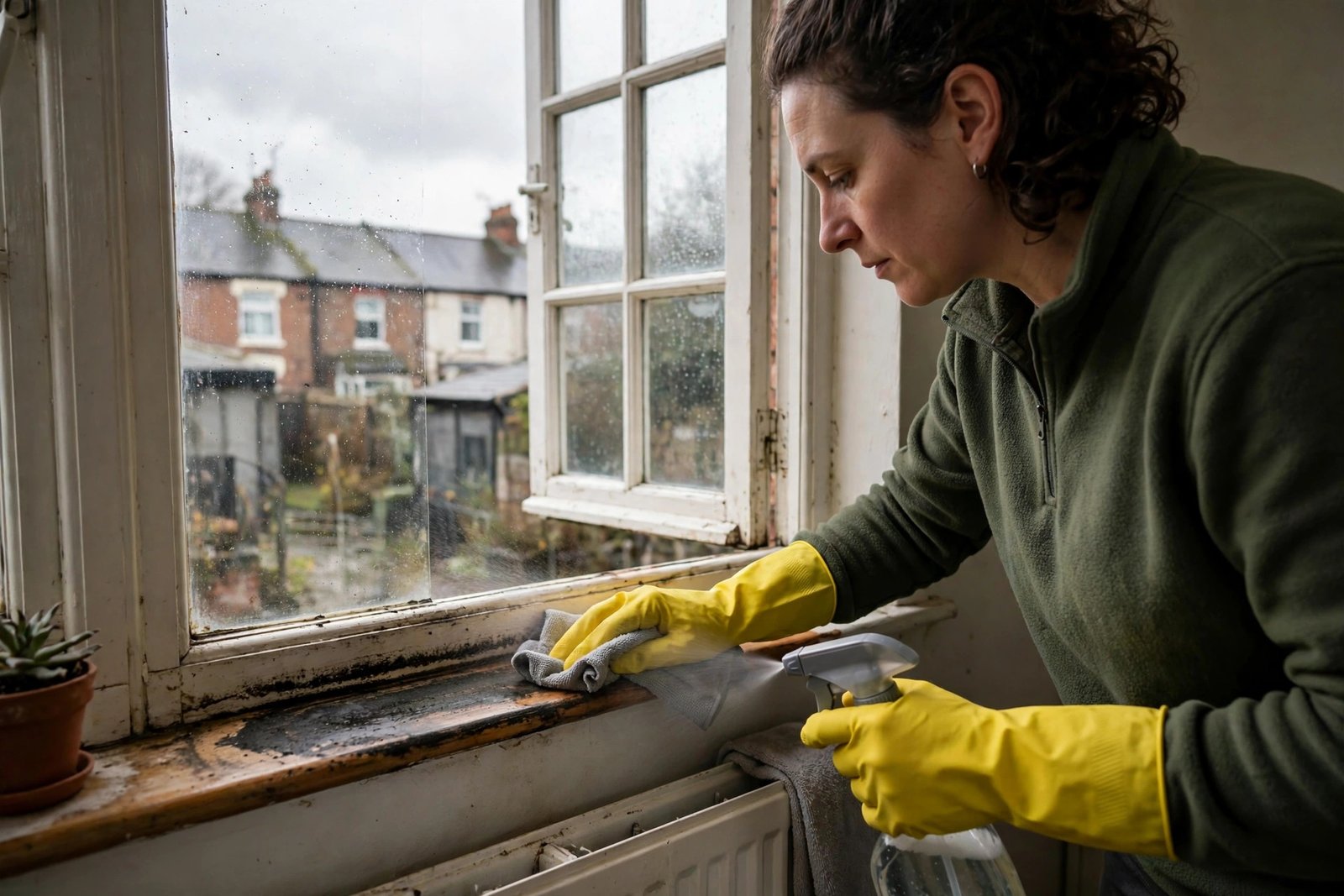
Black mould on window sills and reveals is a winter ritual in many UK homes — the frames go spotty, the silicone discolours, and no amount of wiping seems to keep it away for long. The good news: sills are one of the easiest mould problems to solve, because the cause is almost always the same thing. This guide covers cleaning and the fix that stops it returning.
Why Window Sills Grow Mould
Window frames and sills are typically the coldest surfaces in a room. Overnight condensation runs down the glass and pools on the sill; the frame stays damp for hours; mould follows within days. It is the same mechanism as morning window condensation — the sill is just where the water ends up. UPVC frames, painted timber and silicone sealant all grow it happily.
How to Clean It
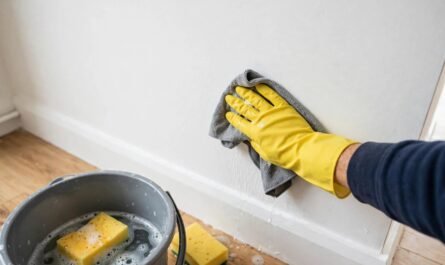
- Ventilate the room and wear gloves — sill mould is usually surface-level, so this is straightforward.
- Use a dedicated mould remover spray; an old toothbrush gets into the frame grooves and sealant edges where cloths cannot reach.
- On silicone sealant: heavy blackening often means the mould is in the silicone, not on it — cleaning lightens it but rarely restores it fully. Badly affected sealant should be cut out and replaced (a cheap DIY job).
- On painted timber sills: clean, let dry, then touch up with paint — consider anti-mould paint for the finish coat.
- Dry everything thoroughly after cleaning.
How to Stop It Coming Back
Cleaning treats the symptom; the condensation is the disease:
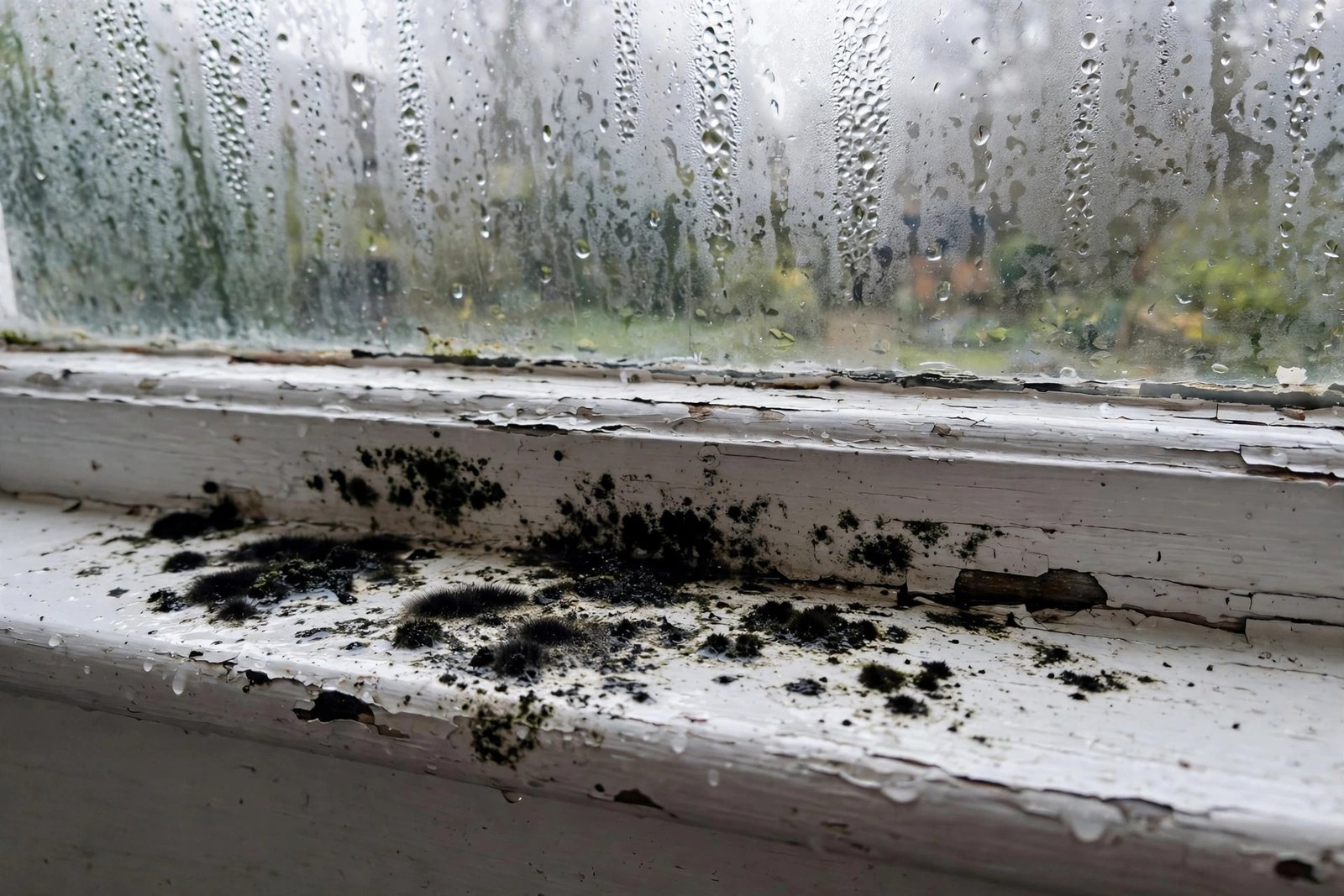
- Wipe sills each morning in winter — 30 seconds with a cloth or squeegee denies mould the standing water it needs.
- Ventilate: trickle vents open, brief morning airing — see morning condensation fixes.
- Heat consistently: warmer rooms mean warmer frames mean less condensation.
- Check the sealant: failed or gappy sealant lets water sit behind it — renew it.
- Consider a dehumidifier in the worst room — see dehumidifier vs extractor fan.
If mould keeps returning despite all this, the problem may be bigger than the sill — see stopping mould returning and damp diagnosis.
Frequently Asked Questions
Why does mould keep coming back on my window sills?
Because the condensation keeps coming back. Cleaning without addressing the moisture means regrowth within weeks in winter.
Can I use bleach on window sills?
Yes for UPVC and tiles, but it can discolour painted timber and does not prevent regrowth. A dedicated mould remover is better.
Should I replace mouldy silicone sealant?
If it is heavily blackened, yes — mould roots into silicone and cleaning rarely restores it. Cut it out, clean, dry, and reseal with a mould-resistant silicone.
Will new windows stop sill mould?
Better glazing reduces condensation significantly, but it will not eliminate it if room humidity stays high. Ventilation still matters.
Is black mould on windows dangerous?
It is the same common household moulds as elsewhere — an allergen/irritant risk rather than an emergency, but worth dealing with promptly. See our complete guide.

The Bottom Line
Clean it properly (replace bad sealant), then kill the condensation that feeds it — daily wiping plus ventilation does most of the work. See our complete damp, condensation and mould guide.