

 by
Cleaning mould off the wall is the easy part. Keeping it off is where most people fail — scrub it in November, watch it return by January. Mould returns for one reason: the moisture that fed it is still there. This guide explains how to find that moisture, deal with it properly, and build a prevention routine that actually holds.
Why Mould Keeps Coming Back
Mould is a symptom, not the disease. The disease is persistent moisture on the surface, which comes from:
- Condensation — the most common cause: warm moist air hitting cold walls, especially in winter. See our damp vs condensation guide if you are unsure.
- Leaks — plumbing, gutters, roofs. Even small, slow leaks feed mould for months.
- Penetrating damp — rain driving through walls, failed pointing, bridged damp-proof courses.
- Rising damp — groundwater wicking up (rarer than diagnosed, but real).
If you have not identified which one you have, start with our diagnosis guide — treating the wrong cause wastes money.
Step 1: Remove the Existing Mould Properly
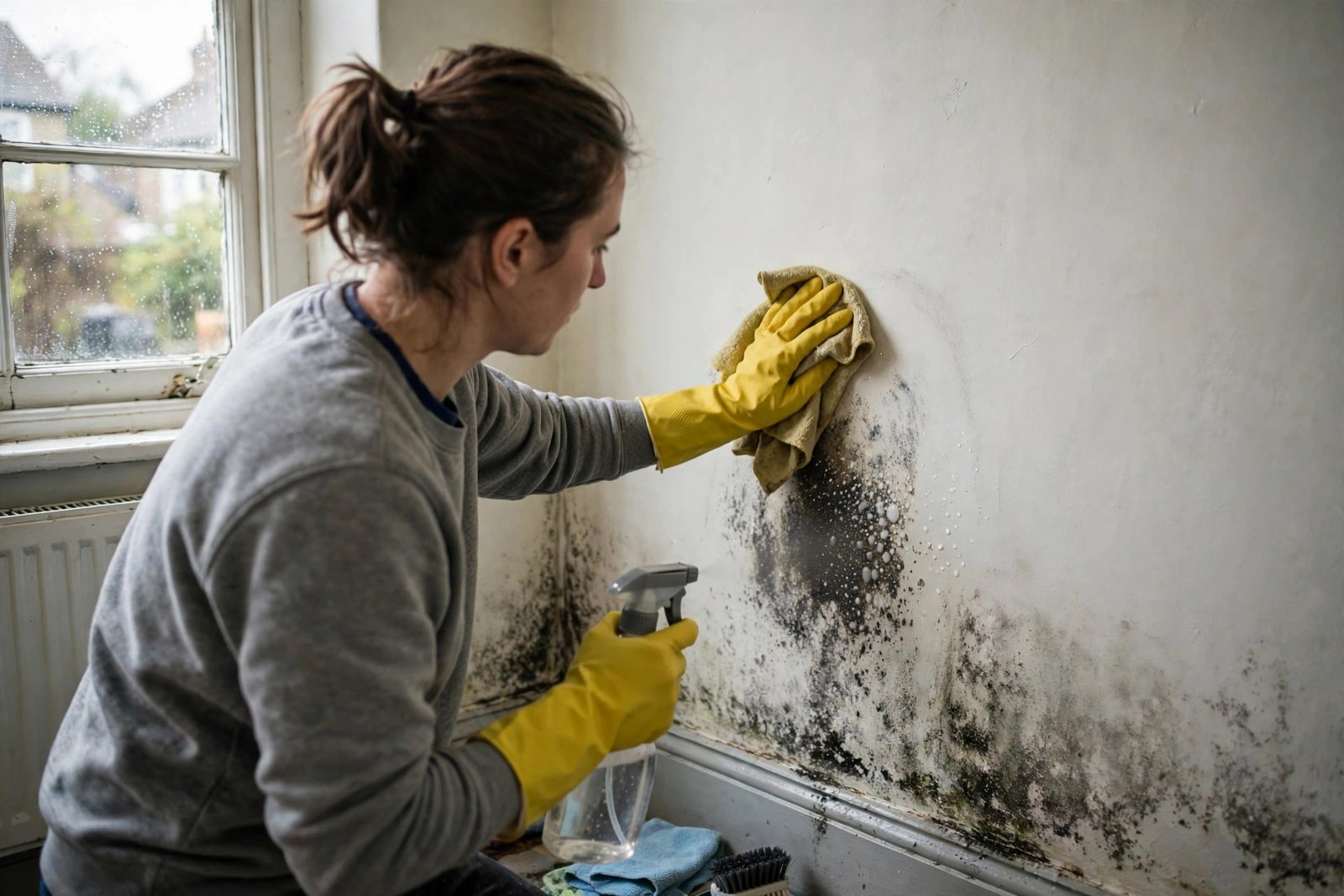
- Ventilate the room and wear gloves plus a dust mask — disturbing mould releases spores.
- Use a dedicated mould remover (not just bleach — bleach bleaches the colour but does not always kill the roots in porous plaster).
- Work from the edges inward so you do not spread it.
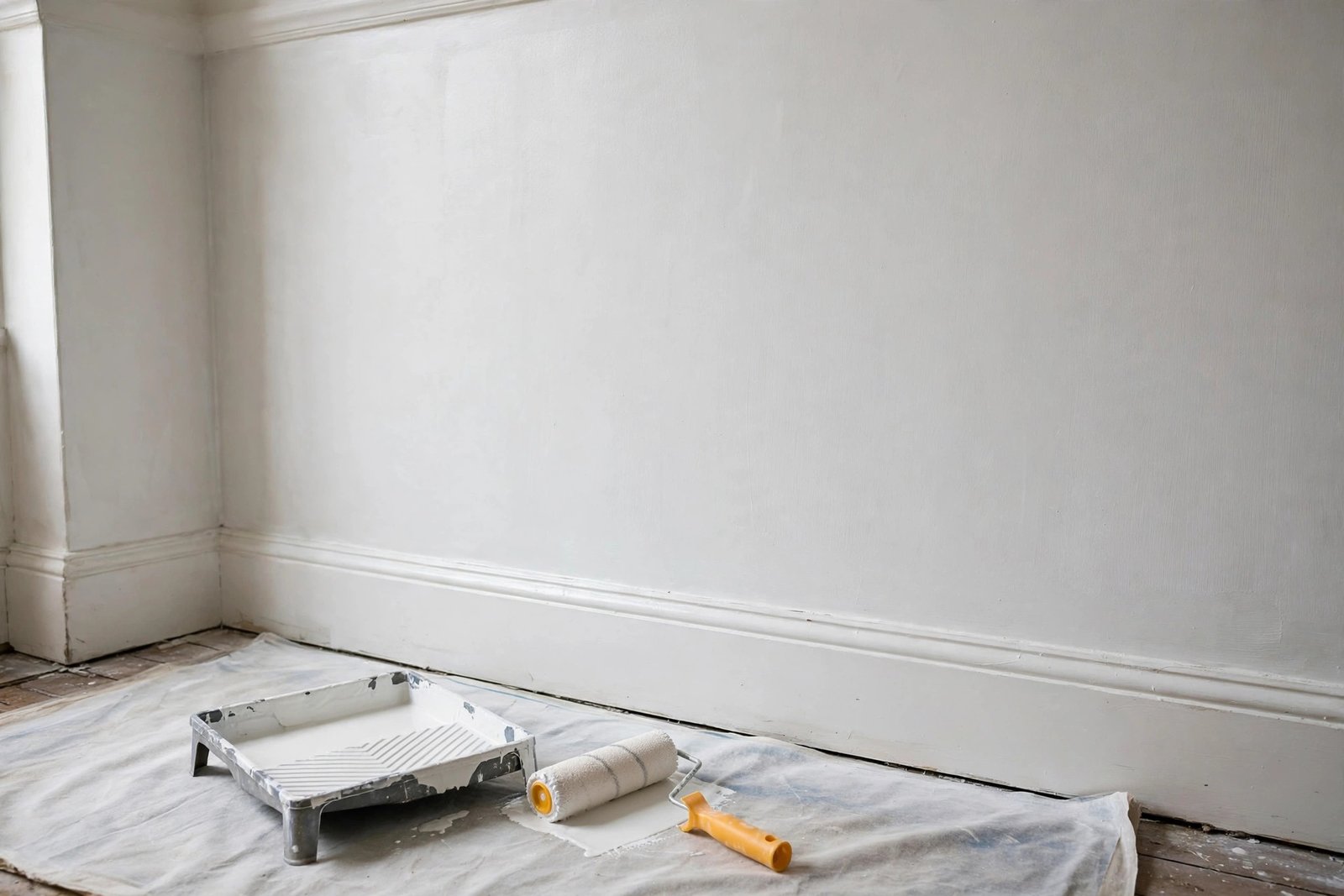
- Let the wall dry completely — 48 hours minimum — before redecorating.
- Bag and bin cloths and sponges; do not rinse spores down the sink and reuse.
For large areas (over ~1m²), persistent regrowth, or any household with asthma, get a professional — this is also the point where landlords must act.
Step 2: Fix the Moisture Source
This is the step that actually stops recurrence:
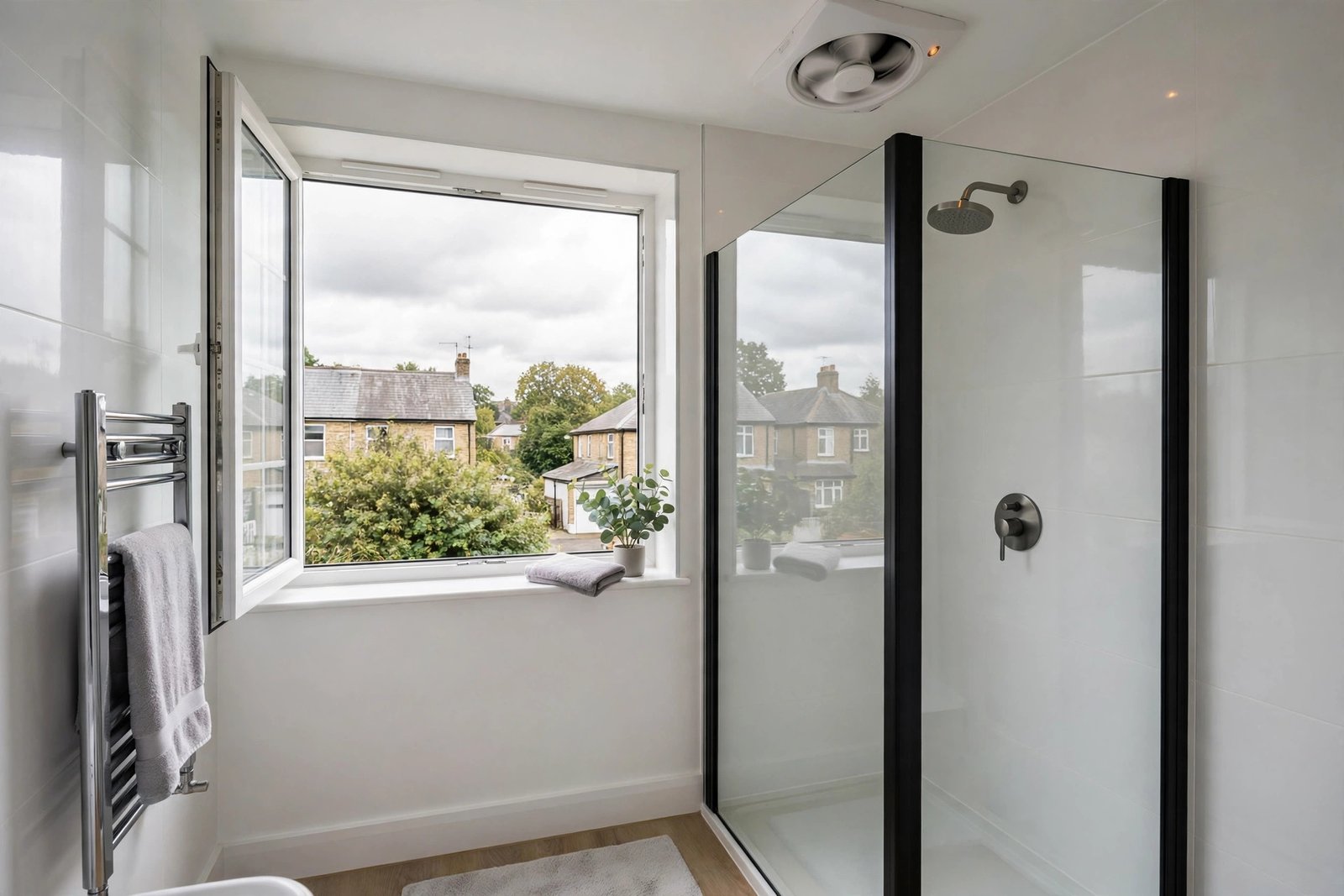
- Condensation-driven: improve ventilation (extractor fans that vent outside, trickle vents open), heat the room consistently to reduce cold surfaces, stop drying clothes indoors without ventilation, and keep furniture 5–10cm off external walls. A dehumidifier or better extraction may be needed for chronic cases.
- Leak-driven: fix the leak. Obvious, but half of recurring mould is an unrepaired leak behind the “it’ll dry out” hope.
- Penetrating/rising damp: needs building work — repointing, gutter repair, damp-proofing. Get a proper independent survey, not a free one from a company that sells the cure.
Step 3: Make the Wall Inhospitable
Once clean, dry and fixed:
- Use an anti-mould paint or additive in problem rooms — it inhibits regrowth but does not substitute for fixing moisture (see does damp-proof paint work).
- If redecorating, read treating mould before painting — painting over live mould seals the problem in, not out.
- Consider insulating cold external walls internally (insulated plasterboard) — warmer walls mean less condensation, permanently.
The Prevention Routine
October to March, make this habit: ventilate daily (even 10 minutes of cross-ventilation helps enormously), keep heating consistent rather than blasting intermittently, wipe down condensation on windows each morning, and check behind furniture on external walls monthly. Mould prevention is maintenance, not a one-off fix.
Frequently Asked Questions
Why does mould come back after bleaching?
Bleach removes the colour on the surface but often does not kill mould roots in porous plaster — and it does nothing about the moisture. Use a proper fungicidal wash and fix the damp source.
Will a dehumidifier stop mould coming back?
For condensation-driven mould, yes — it is one of the most effective tools. For leak or structural damp, no — fix the building fault first.
Can I just paint over mould with anti-mould paint?
No — remove the mould first, let the wall dry, fix the cause, then use anti-mould paint as prevention. Paint over live mould fails within months.
How long before mould comes back?
If the moisture source remains, typically weeks to a couple of months — often the next cold snap. If the source is fixed, it should not return at all.
When should I call a professional?
Areas over ~1m², mould that returns after proper treatment, musty smells with no visible source, suspected leaks or structural damp, or vulnerable occupants (asthma, babies, elderly).
The Bottom Line
Mould returns because moisture remains. Remove properly, fix the source, then prevent — in that order, no shortcuts. For the full picture, see our complete damp, condensation and mould guide.