 by
by A home air conditioning unit can make a real difference during hot summer months, but choosing the right system means understanding a few key options first. This guide covers the main types available and how to decide what suits your home.
Do You Need Air Conditioning in the UK?
UK summers are milder than many countries, but heatwaves have become more frequent in recent years. Homes with poor natural ventilation, south-facing rooms, or upper floors that trap heat tend to benefit most from a dedicated cooling system.
Main Types of Home Air Conditioning Units
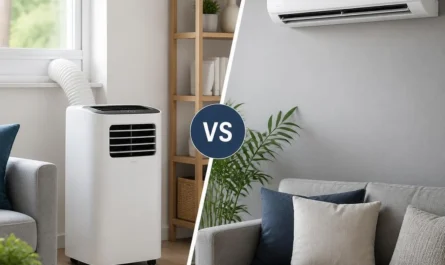
- Portable units – freestanding, no permanent installation, vented through a window
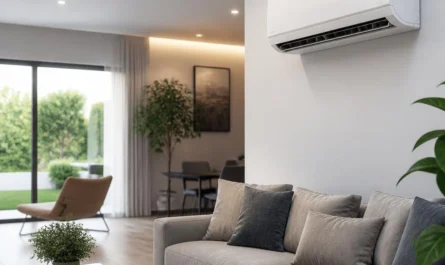
- Split systems – an indoor unit connected to an outdoor compressor, offering quieter, more efficient cooling
- Window units – fitted directly into a window frame, less common in UK homes than portable or split systems
- Multi-split systems – one outdoor unit powering several indoor units, suited to cooling multiple rooms
Sizing Your System Correctly
An undersized unit struggles to cool a room effectively, while an oversized one cycles on and off too frequently, wasting energy. Cooling capacity, measured in BTUs, should be matched to room size, ceiling height, and how much direct sunlight the room receives.
Installation Considerations
Portable units need no installation beyond a window vent kit. Split systems, on the other hand, require professional installation, including running refrigerant pipework between the indoor and outdoor units, which typically takes a day for a single-room system.
Running Costs and Efficiency
Energy efficiency ratings vary significantly between models, so checking the SEER (Seasonal Energy Efficiency Ratio) rating helps compare running costs before buying. Split systems generally run more efficiently than portable units for regular, sustained use.
Noise Levels to Consider
Portable units tend to be noisier, since the compressor sits inside the room being cooled. Split systems are quieter indoors, as the noisiest component, the compressor, sits outside the home.
Air Conditioning for Bedrooms: What Changes
Bedrooms have different priorities from living rooms. Noise matters most — look for indoor units rated under 25 decibels on sleep mode, roughly the level of a whisper. A timer or sleep function that eases the temperature up overnight prevents waking up freezing at 3am. For portables, the exhaust hose must reach a window without kinking, and the unit’s compressor hum — typically 45 to 55 decibels — bothers light sleepers, so a split system is usually the better bedroom choice if the budget allows.
Smart Controls and Timers Worth Using
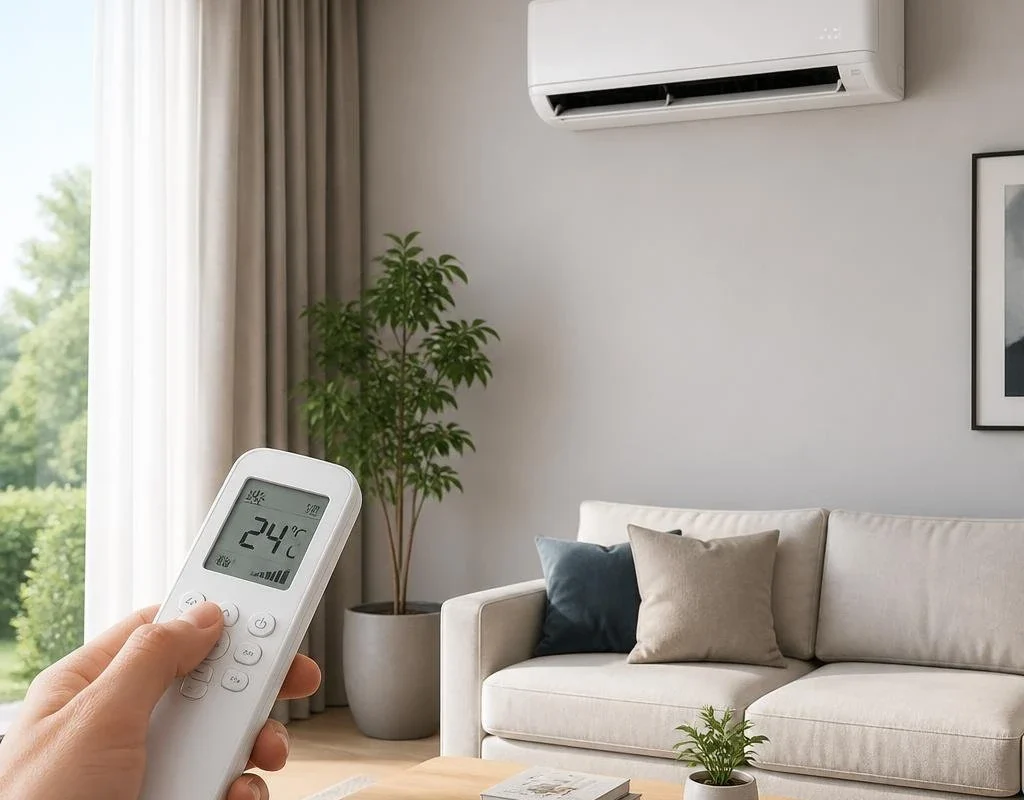
Most modern units include scheduling, but few owners use it well. Setting the system to pre-cool the bedroom for 30 minutes before bedtime, then switch to a gentler sleep mode, cuts both noise and running costs. Wi-Fi-enabled models let you start cooling from your phone on the commute home — genuinely useful during heatwaves. Geofencing features that switch off when you leave are worth enabling if available. Avoid running the unit all day “just in case”; targeted cooling for the hours you actually use the room is far cheaper.
Common Buying Mistakes to Avoid
The most frequent error is buying on price alone — the cheapest portable often costs more within two summers through sheer electricity use. Second is ignoring the window kit: without a proper seal, hot air pours back in around the exhaust hose and efficiency collapses. Third, people forget to check the energy rating and refrigerant type; modern R32 units are both more efficient and less environmentally harmful than older R410A models. Finally, measure your room properly — an undersized unit running flat-out is the noisiest and most expensive way to stay merely warm.
What to Ask Your Installer Before Agreeing
A good installer welcomes questions. Ask whether they are F-Gas certified (legally required), what warranty covers parts versus labour, and how long the installation typically takes — a single split usually needs half a day. Confirm the quote includes the outdoor unit’s mounting bracket, electrical work and condensate drainage, since these are common sources of surprise extras. Ask for two or three recent local references, and check how they handle aftercare if something goes wrong in the first year. For ongoing care once installed, see our aircon maintenance guide.
How Long Do Home Air Conditioning Units Last?
A well-maintained split system typically lasts 12 to 15 years, while portable units average 5 to 8 years of regular use. Lifespan hinges on servicing: annual filter cleaning and professional servicing every couple of years keeps efficiency high and prevents the compressor failures that write off older units. Coastal homes should rinse outdoor units occasionally to prevent salt corrosion. When efficiency drops sharply despite servicing, or repairs approach half the replacement cost, replacement beats repair.
Frequently Asked Questions
Is it worth installing air conditioning in a UK home?
For homes that regularly overheat in summer, particularly those with poor ventilation or south-facing rooms, many homeowners find it a worthwhile investment.
What size air conditioning unit do I need?
This depends on room size, ceiling height, and sun exposure. A specialist can calculate the correct BTU rating for your specific space.
Are portable or split air conditioning units better?
Split systems are generally more efficient and quieter, while portable units offer more flexibility and don’t require installation.
What is the best air conditioning unit for a UK bedroom?
A small inverter split system with a sleep mode under 25 decibels is ideal for bedrooms. If you only need occasional cooling, a quiet-rated portable used with a proper window seal is a reasonable compromise.
How noisy is a home air conditioning unit?
Split indoor units run at 20 to 35 decibels — quieter than a conversation. Portable units are louder at 45 to 55 decibels because the compressor sits inside the room with you.
Can I move a portable air conditioner between rooms?
Yes, that is their main advantage — most weigh 20 to 30kg and roll on castors. You will need a window kit fitted at each window you plan to use, and allow a few minutes for the room to cool after moving it.