 by
by Regular home aircon unit maintenance keeps your system running efficiently, extends its lifespan, and helps avoid costly repairs. This guide covers the maintenance tasks worth prioritising, and which are best left to a professional.
Why Maintenance Matters
A neglected air conditioning unit works harder to achieve the same cooling result, which increases running costs and shortens the system’s lifespan. Regular upkeep is one of the simplest ways to protect your investment. Our running cost guide explains how maintenance directly affects your electricity bill.
Tasks You Can Do Yourself
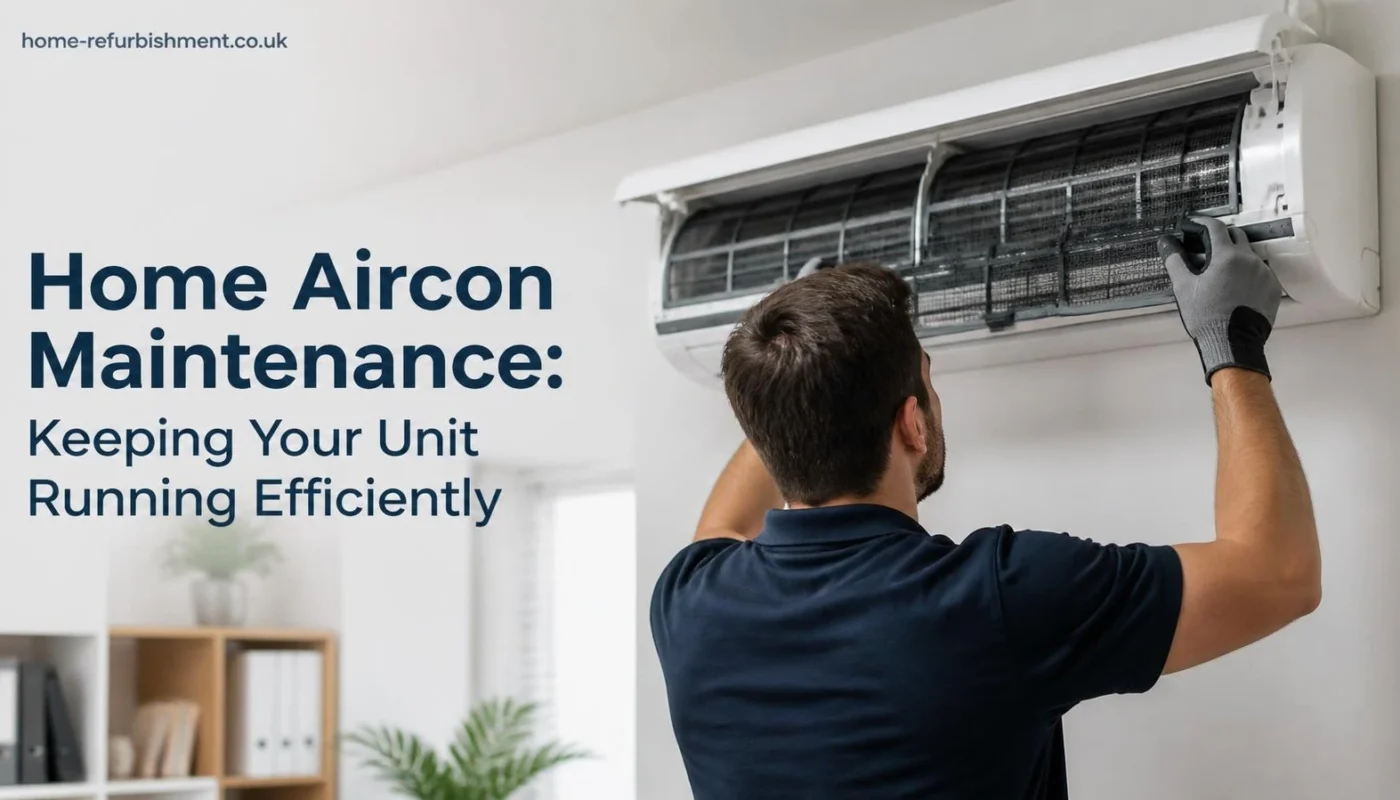
Clean or Replace Filters Regularly
Dirty filters restrict airflow, forcing the unit to work harder. Most manufacturers recommend cleaning filters every 2-4 weeks during regular use, particularly in dusty environments.
Keep the Outdoor Unit Clear
For split systems, make sure the outdoor unit has clear airflow, free from leaves, debris, or overgrown plants. A blocked outdoor unit reduces efficiency and can strain the compressor over time.
Check for Unusual Noises or Smells
Grinding, rattling, or musty smells often signal a developing issue. Catching these early, before they become serious faults, usually means a cheaper and simpler repair.
Tasks Best Left to a Professional
- Refrigerant top-ups or leak checks, which require F-Gas certified handling
- Deep cleaning of internal coils and components
- Electrical fault diagnosis and repair
- Annual servicing to check overall system performance
How Often Should You Service Your System?
An annual professional service is generally recommended for split systems used regularly through summer, ideally scheduled before peak season so any issues are caught before you need the system most. Portable units benefit from a similar seasonal check, though servicing needs are typically simpler.
Signs Your Unit Needs Attention
- Noticeably reduced cooling performance compared to previous seasons
- Ice forming on indoor or outdoor components
- Rising energy bills without a change in usage habits
- Water leaking or pooling around the indoor unit
If you’re still deciding which system to install, our home air conditioning buying guide covers the options available before maintenance becomes a consideration.
Seasonal Maintenance Calendar
Spread tasks across the year and nothing gets forgotten. Spring: deep-clean indoor filters, check the outdoor unit for winter debris, and run a test cycle before the first heatwave. Summer: rinse filters monthly during heavy use and keep vegetation trimmed back from the outdoor unit. Autumn: clean everything thoroughly, cover the outdoor unit if recommended by the manufacturer, and book any needed professional service. Winter: run the system briefly each month — this keeps seals lubricated and reveals problems before summer.
Cleaning Filters Step by Step
Filter cleaning is the single highest-value maintenance task and takes ten minutes. Switch the unit off, open the front panel and slide the filters out. Vacuum loose dust, then wash in lukewarm water with a drop of washing-up liquid — never hot water, which warps the mesh. Air-dry completely in shade before refitting; damp filters breed mould. While they are out, wipe the panel interior with a damp cloth. If filters are torn or will not come clean, replacements are cheap — running without filters lets dust cake the coils, which is far more expensive to fix.
What a Professional Service Includes
A proper service goes well beyond filter cleaning. Expect the engineer to check refrigerant pressures, clean indoor and outdoor coils, clear and flush the condensate drain, test electrical connections and controls, and measure airflow and temperature split across the coil. They should also inspect the outdoor unit’s fan and mountings. A thorough service takes 60 to 90 minutes for a single split; anyone in and out in 20 minutes has not serviced it. Ask for a written report — reputable engineers provide one as standard.
Maintenance Costs: What to Budget
DIY maintenance costs almost nothing beyond your time. A professional single-split service typically runs £80 to £150 in the UK; multi-split systems cost more per indoor unit. Annual service plans from installers often work out cheaper per visit and prioritise you during heatwave breakdown season. Budget £100 to £200 a year all-in for a typical home system — trivial against the cost of a compressor failure, which can exceed £800 and often writes off older units entirely.
Extending Your Unit’s Lifespan
Most systems die from neglect, not age. Beyond filters and servicing: keep the outdoor unit clear of plants, leaves and snow; do not use the top of the indoor unit as a shelf; and avoid constant on-off cycling by using timers rather than manual switching. Run the system in fan-only mode for 30 minutes after heavy cooling use — this dries the coil and prevents the musty smells that plague neglected units. With consistent care, 12 to 15 years is realistic; without it, 7 is optimistic. Comparing system types? Our portable vs split comparison covers the longevity trade-offs.
Frequently Asked Questions
How often should I clean my air conditioning filters?
Every 2-4 weeks during regular use is a good general rule, though check your specific manufacturer’s guidance for exact intervals.
Can I service my own split air conditioning system?
Basic tasks like filter cleaning are fine to do yourself, but refrigerant handling and deep servicing should always go to a qualified professional.
What happens if I skip regular maintenance?
Skipping maintenance typically leads to reduced efficiency, higher running costs, and a greater risk of costly breakdowns over time.
How often should I clean my aircon filters?
Monthly during periods of heavy use, and at least quarterly otherwise. Homes with pets or in dusty areas should clean more often — clogged filters are the top cause of poor performance.
What happens if you never service your air conditioner?
Efficiency drops, running costs climb, coils and drains clog, and minor issues become major failures. Most manufacturers also require servicing to keep warranties valid.
Can I service my own split air conditioning system?
You can handle filters, panel cleaning and visual checks yourself. Anything involving refrigerant, electrics or deep coil cleaning legally and practically needs an F-Gas certified engineer.
Related Home Air Conditioning Guides
- Home Air Conditioning: The Complete Buying Guide
- Portable vs Split Air Conditioners for the Home
- Home Air Conditioning UK: What You Need to Know
- How Much Does It Cost to Run a Home Air Conditioning Unit?