
 by
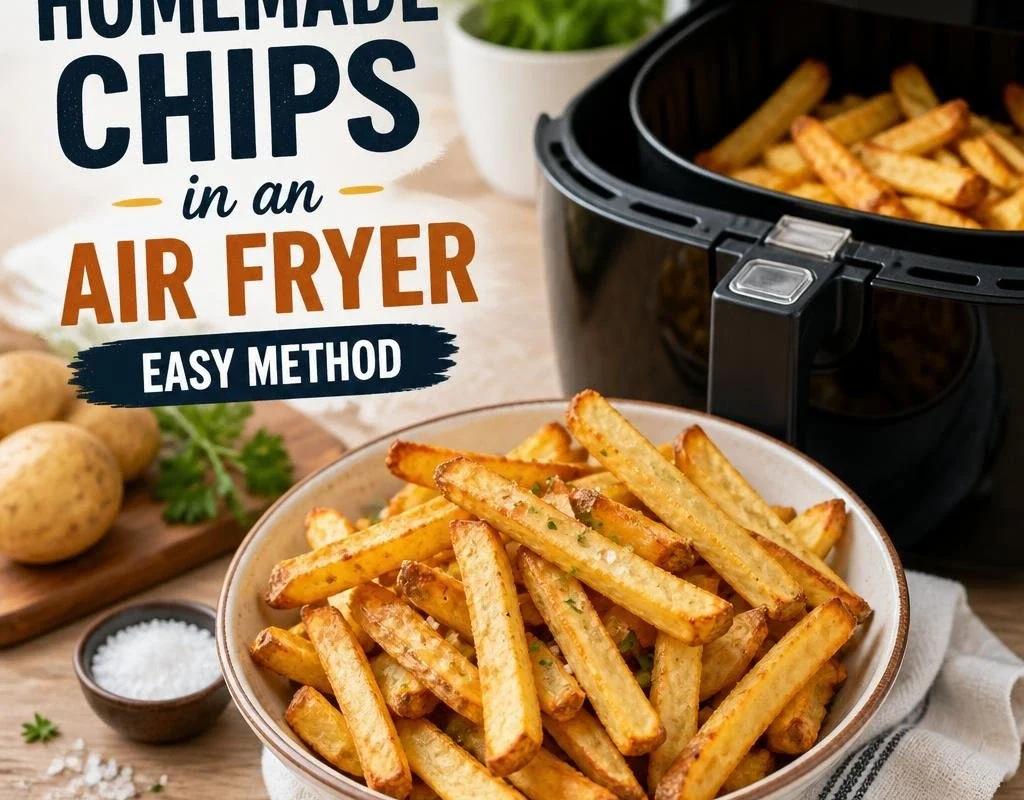
by Making homemade chips in an air fryer gives you a crispy result with far less oil than deep frying. This guide covers the method step by step, along with tips to get consistently good results every time.
Why Air Fryers Work Well for Homemade Chips
An air fryer circulates hot air rapidly around food, crisping the outside in a similar way to deep frying, but using a fraction of the oil. This makes it a popular choice for a lighter take on a classic side dish. If you’re still deciding on an appliance, our home kitchen appliances guides cover other popular additions to a modern kitchen.
Choosing the Right Potatoes
Maris Piper and King Edward potatoes are popular choices for chips, since their starchy texture gives a fluffy interior and crisp exterior. Waxy varieties, such as new potatoes, tend to hold their shape but don’t crisp up in quite the same way.
Step-by-Step Method
- Peel the potatoes and cut them into even chip-sized pieces, roughly 1cm thick, so they cook at the same rate
- Rinse the cut chips under cold water to remove excess surface starch, then pat them thoroughly dry
- Toss the chips in a small amount of oil, roughly one tablespoon per large potato, along with a pinch of salt
- Arrange the chips in a single layer in the air fryer basket, avoiding overcrowding
- Cook at around 180°C for 15-20 minutes, shaking the basket halfway through for even crisping
- Check for a golden colour and crisp exterior before removing, cooking a little longer if needed
Common Mistakes to Avoid
- Overcrowding the basket, which traps steam and prevents proper crisping
- Skipping the drying step, which leaves excess moisture that stops chips crisping well
- Using too much oil, which can make chips greasy rather than crisp
- Cutting chips unevenly, leading to some pieces overcooking while others remain undercooked
Getting Extra Crispy Results
Soaking cut potatoes in cold water for 20-30 minutes before cooking removes additional starch, often resulting in a crisper finish. Cooking in two smaller batches, rather than one crowded batch, also tends to improve overall crispiness.
Seasoning Variations to Try
Beyond plain salt, try adding smoked paprika, garlic powder, or dried herbs to the oil before tossing the chips. Adding delicate seasonings, such as fresh herbs or grated parmesan, works best after cooking, since they can burn during the cooking process.
The Science: Why Soaking Matters
Soaking cut chips in cold water for 30 minutes is not fussy chef nonsense — it is chemistry. The soak draws out surface starch, which is what turns to glue and makes chips stick together and steam instead of crisping. Rinse until the water runs clear, then dry thoroughly; surface moisture is the enemy of crispness because the air fryer wastes energy boiling it off before browning can begin. Skip the soak and you will still get edible chips — just noticeably less crispy ones.
Oil Types Compared for Air Fryer Chips
You need far less oil than deep frying, but the type still matters. Rapeseed and groundnut oils have high smoke points and neutral flavour — ideal. Olive oil works but its lower smoke point means keeping temperatures moderate; save extra virgin for drizzling after. A light mist from a spray bottle coats more evenly than pouring — about a teaspoon per batch is plenty. Beef dripping or duck fat, tossed through after cooking, adds chip-shop richness for weekend treats.
Frozen vs. Fresh: Adjusting Your Method
Shop-bought frozen chips are par-cooked and need no soaking — just cook from frozen at around 200°C for 15 to 18 minutes, shaking twice. Fresh chips need longer (20 to 25 minutes) and benefit from the full soak-dry-oil routine. Do not defrost frozen chips first; they go soggy. Fresh wins on flavour and texture, frozen wins on convenience — and honestly, a good frozen chip in the air fryer beats a mediocre fresh one.
Batch Cooking and Reheating
Air fryers reward small batches; overcrowding steams instead of crisps. For family quantities, cook in two or three batches and keep finished chips warm in a low oven (120°C) on a rack — never piled in a bowl, where they steam each other soggy. Reheating works brilliantly: 3 to 4 minutes at 200°C restores crispness better than any microwave. Par-cook a big batch, chill, then finish portions as needed through the week for fast weeknight sides.
Cleaning Your Air Fryer Properly
Chip starch bakes on fast, so clean while the drawer is still warm (not hot). Soak the basket in hot soapy water for ten minutes, then use a non-abrasive sponge — scouring pads destroy non-stick coatings. Wipe the heating element area with a damp cloth once cool; built-up grease here causes smoke and smells. Check the manufacturer’s guidance before dishwashing: many baskets are technically dishwasher-safe but last far longer hand-washed. For more kitchen kit advice, see our hot water dispenser guide.
Frequently Asked Questions
Do I need to soak potatoes before air frying chips?
It’s not essential, but soaking for 20-30 minutes removes extra starch and often gives a crisper final result.
How much oil do I need for air fryer chips?
Roughly one tablespoon per large potato is usually enough for a crisp result without making the chips greasy.
Why aren’t my air fryer chips crispy?
Overcrowding the basket and not drying the chips thoroughly beforehand are the two most common causes of soft, rather than crispy, results.
Why are my air fryer chips soggy?
Usually too much moisture or overcrowding. Soak to remove starch, dry thoroughly, use minimal oil, cook in a single layer with space between chips, and shake halfway through.
How long do homemade chips take in an air fryer?
20 to 25 minutes at 190–200°C for fresh chips, shaking twice. Frozen chips need 15 to 18 minutes from frozen at 200°C.
Do you need to parboil chips before air frying?
It helps — a 5-minute parboil followed by roughing up the edges creates the fluffy interior and crispy exterior of proper chip-shop chips. You can skip it, but texture suffers slightly.
Related Kitchen Appliance Guides
- Coffee Machines for Home: The Complete Buying Guide
- Home Espresso Machines: What to Look For
- Home Coffee Grinders: Burr vs Blade Explained
- Hot Water Dispensers for Home: Are They Worth It?