 by
by A home espresso machine gives you the most control over your coffee, but it also comes with the steepest learning curve. This guide covers what actually matters when choosing one, so you can find a machine that suits your skill level and budget.
Manual, Semi-Automatic, or Automatic?
- Manual lever machines – full control over every variable, but a steep learning curve
- Semi-automatic machines – you control grind, tamp, and extraction time, while the machine handles water pressure
- Automatic machines – set extraction time and volume, reducing the skill needed for consistent results
For a broader comparison of machine types beyond espresso specifically, see our coffee machines for home guide.

Key Features That Actually Matter
Pump Pressure
Most home espresso machines use a 15-bar pump, though true extraction pressure during brewing is typically closer to 9 bar, the benchmark set out by the Specialty Coffee Association. Higher advertised bar ratings don’t necessarily mean better espresso, so don’t treat this figure as the main deciding factor.
Boiler Type
Single-boiler machines are more affordable but require waiting between brewing and steaming milk. Dual-boiler or heat exchanger machines allow both simultaneously, which matters if you frequently make milk-based drinks.
Portafilter Size
A standard 58mm portafilter, common on prosumer machines, tends to give more consistent extraction than the smaller portafilters found on many entry-level machines.
Do You Need a Separate Grinder?
Yes, in most cases. Pre-ground coffee loses freshness quickly and rarely gives the consistency needed for good espresso. Our home coffee grinders guide explains what to look for in a grinder to pair with your machine.
Learning to Use an Espresso Machine
Expect a genuine learning curve when starting out. Dialling in grind size, tamping pressure, and extraction time all affect the final cup, and it typically takes practice, along with some wasted coffee, before results become consistent.
Maintenance Requirements
Espresso machines need regular backflushing, descaling, and cleaning of the portafilter and steam wand. Skipping maintenance affects both taste and the machine’s long-term performance, so factor this ongoing time commitment into your decision. In hard water areas, a water softener can also reduce how quickly limescale builds up inside the machine.
Budget Expectations
Entry-level semi-automatic machines start at a modest price point, while prosumer machines with dual boilers and larger portafilters cost significantly more. It’s generally better to spend more on a reliable mid-range machine than to buy the cheapest option and replace it within a year.
How Long Does It Take to Learn?
Expect two to four weeks of daily practice before your espresso is consistently good — less if you have barista guidance, more if you are learning from videos alone. The learning curve has distinct phases: first edible shots (days), then diagnosing problems (weeks), then genuine control (months). Budget for wasted coffee: a kilo of decent beans sacrificed to practice is normal and worth it. The single biggest accelerator is changing one variable at a time — grind size first, then dose, then everything else.
The Real Cost Per Cup
Home espresso economics surprise people. A double shot uses ~18g of beans; at £8 per 250g bag, that is 58p per shot — plus milk and energy, roughly 70–80p per flat white. Against £3.50+ at a café, two daily coffees save over £1,800 a year. Even a £500 machine plus £250 grinder pays for itself within a year for committed drinkers. The maths only fails if the machine gathers dust — be honest about your routine before investing.
Upgrading Later: What Holds Value
Espresso gear holds resale value remarkably well — quality machines retain 50 to 70% after several years if maintained. Buy used, learn, sell, upgrade: the classic path costs little net. What holds value: reputable brands (Sage/Breville, Gaggia, Rancilio), standard 58mm portafilters, and machines with available spares. What does not: obscure brands, proprietary pods, and anything with electronic gimmicks that age badly. Keep boxes and manuals; they measurably help resale.
Common Beginner Mistakes
Nearly every beginner makes the same errors. Grinding too coarse (then blaming the machine) tops the list — espresso needs a fine, table-salt texture. Skipping the scale: eyeballing dose guarantees inconsistency; a £15 scale transforms results. Neglecting water: hard water ruins flavour and machines alike — filter it. And impatience: changing grind, dose and temperature simultaneously teaches nothing. Fix one thing, taste, repeat.
Espresso Machine vs. Bean-to-Cup: Honest Comparison
The fundamental trade-off is control versus convenience. Espresso machines reward skill with café-beating shots but demand practice, cleaning and ritual. Bean-to-cup machines deliver very good coffee at a button’s touch with minimal learning — ideal for busy households. Cost per cup favours espresso (cheaper beans, no pods); time per cup hugely favours bean-to-cup. Households divided on commitment often compromise: a bean-to-cup for weekdays, a manual setup for weekend ritual. Machine-type guidance is in our home coffee machine guide, and grinder pairing in our coffee grinder guide.
Frequently Asked Questions
Is a home espresso machine worth it compared to a café?
For regular espresso drinkers, a home machine often pays for itself over time, though it does require an upfront investment in both equipment and skill.
Do I need a separate grinder for espresso?
Yes, a good burr grinder is essential for consistent espresso, since pre-ground coffee rarely gives the fine, even grind espresso extraction needs.
How long does it take to learn to use an espresso machine well?
Most people see noticeable improvement within a few weeks of regular practice, though refining technique can continue for much longer.
Is a home espresso machine worth it?
For daily drinkers, absolutely — the savings versus café prices typically repay a £500 setup within a year. For occasional drinkers, a simpler brewer makes more financial sense.
How hard is it to learn to use an espresso machine?
Expect 2–4 weeks of daily practice for consistently good shots. The basics are simple; mastery takes months, but enjoyable coffee comes much sooner.
What is the best espresso machine for beginners in the UK?
A semi-automatic machine around £300–£500 from an established brand, paired with a proper burr grinder. Avoid the cheapest machines — temperature instability makes learning frustrating.
Related Kitchen Appliance Guides
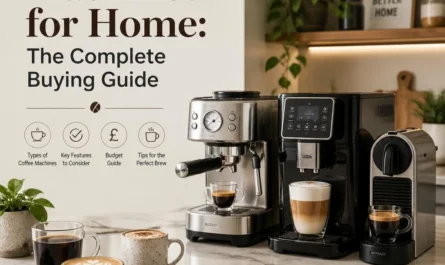
- Coffee Machines for Home: The Complete Buying Guide
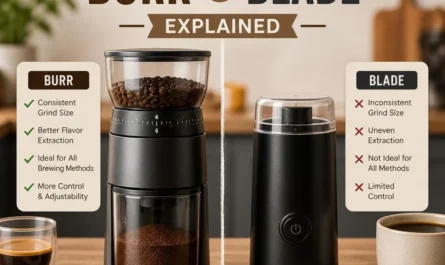
- Home Coffee Grinders: Burr vs Blade Explained
- Hot Water Dispensers for Home: Are They Worth It?
- Homemade Chips in an Air Fryer: Easy Method