
 by
by Most people choose curtain fabric based on colour and pattern first, then wonder why the finished curtains don’t hang the way they pictured. The real culprit is almost always weight, not colour. This guide explains how different fabrics behave and which suit which rooms.
Why Weight Matters More Than Colour
Fabric weight, often measured in GSM (grams per square metre), determines how a curtain falls, folds, and holds its shape. A light voile and a heavy velvet drape completely differently even in an identical colour, so weight should generally be decided before pattern or shade, not after.
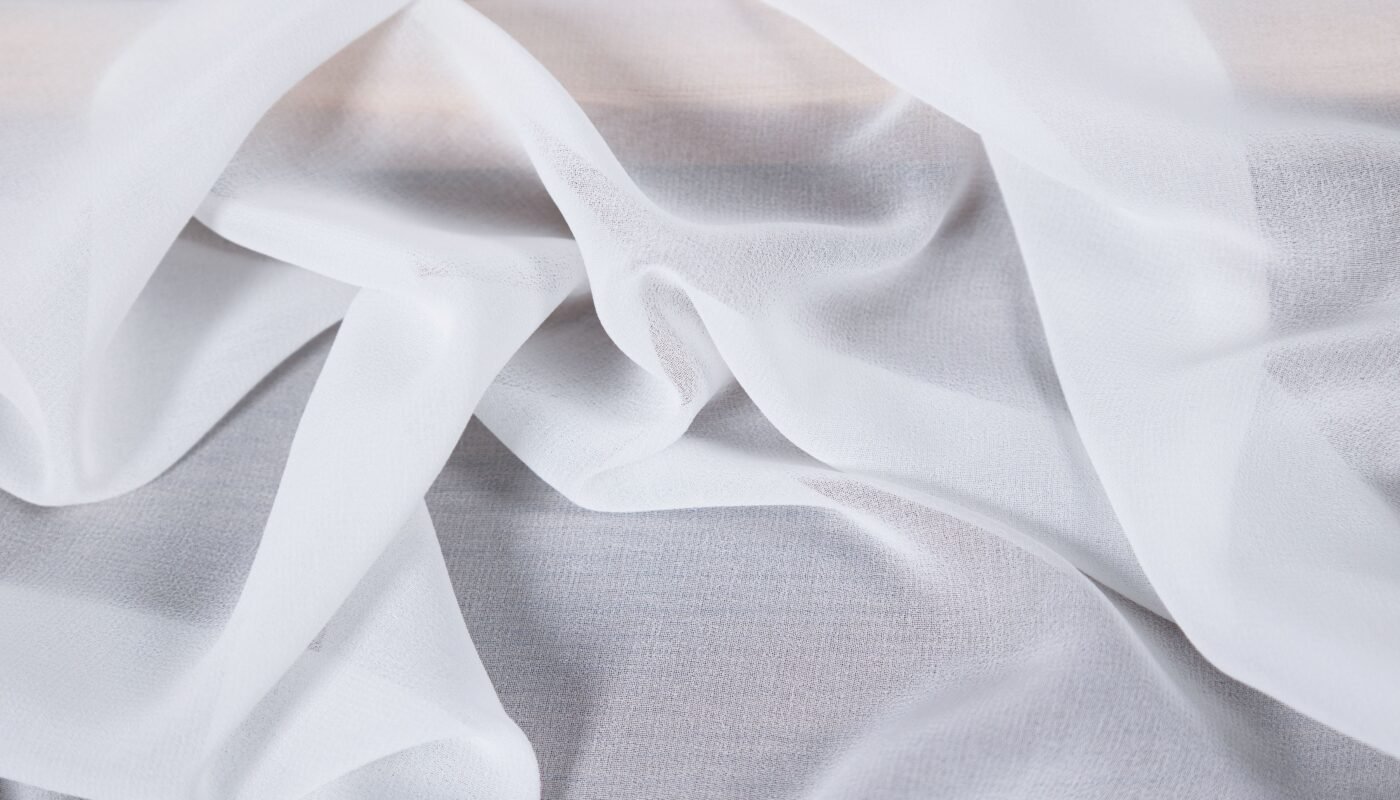
Lightweight Fabrics: Voile, Chiffon, Sheer Linen
These diffuse light rather than block it, letting a room stay bright while softening direct sun and adding a degree of daytime privacy. They suit living rooms and kitchens where you want light rather than darkness, and are often layered behind a heavier curtain or blind for full coverage at night — see our blinds and curtains together guide for that combination.
Medium-Weight Fabrics: Linen, Cotton, Lighter Velvets
This is the most widely used category, offering a good balance of drape and practicality without the cost or maintenance of heavier options. Linen has a relaxed, natural texture suited to casual or coastal-style rooms, while cotton is durable, easy to maintain, and versatile across most interiors. Both wrinkle more readily than synthetic blends, which is worth knowing before choosing either for a low-maintenance room.
Heavyweight Fabrics: Velvet, Chenille, Heavy Jacquard
Heavier fabrics create the most structured, dramatic curtains, and their density gives genuine thermal and sound-absorbing benefits beyond appearance alone. Velvet in particular is a popular choice for formal living rooms and bedrooms wanting real darkness and warmth. The trade-off is cost, weight on the hardware, and generally more specialist cleaning. For bedroom-specific advice on balancing weight against your curtain pole, see our bedroom curtains guide.
A Note on Silk
Silk gives an unmatched sheen and drape but is the most delicate common curtain fabric — direct sunlight degrades the fibres noticeably faster than linen, cotton, or velvet. If you’re set on silk, a north-facing room, or a sheer liner positioned to take the direct sun exposure instead, helps the fabric last considerably longer.
Matching Fabric Weight to Heading Style
Heavy fabrics generally suit structured pleated headings, which hold their shape well under the extra weight. Sheer and lightweight fabrics often look better with simpler headings, such as a rod pocket or eyelet, which don’t fight against the fabric’s natural fluidity. Our made to measure curtains guide covers heading options in more detail.
Choosing by Room
- Living room – medium to heavyweight linen blends or jacquard for a polished, structured look
- Bedroom – heavier fabric or a dedicated blackout/thermal lining for darkness and warmth
- Kitchen – lighter, washable fabrics, since kitchen fabric needs cleaning more often — see our kitchen curtains and blinds guide
- Bright rooms with a view – lightweight linen-blend panels paired with a sheer inner layer
Care Considerations by Fabric Type
Natural fibres like linen, cotton, and silk generally need more careful cleaning than polyester blends, which resist wrinkling and hold colour well with minimal upkeep. If low maintenance matters more than natural texture, a polyester or poly-blend fabric is usually the more practical everyday choice, even if it lacks some of the character of natural fibres.
Frequently Asked Questions
What’s the most versatile curtain fabric?
Medium-weight cotton or linen blends suit the widest range of rooms and styles, balancing drape, durability, and cost reasonably well.
Does heavier fabric always mean better insulation?
Generally yes, since density and mass are what block draughts and trap air, though a dedicated thermal lining adds more insulation than fabric weight alone.
Is velvet hard to maintain?
It typically needs more specialist cleaning than cotton or polyester, so factor ongoing care into the decision, not just the upfront look.