 by
A bathroom renovation in the UK typically costs between £6,000 and £12,000 for a mid-range project, with small bathrooms starting from around £3,000 and larger or luxury projects reaching £20,000 or more. In 2026, the mid-range figure sits a little higher — typically £6,500 to £13,000, excluding VAT at the standard 20% rate — a modest increase on previous years due to higher material and labour costs.
The honest answer is: it depends. Room size, material choices, and whether you move any plumbing all affect the final figure. This guide gives you both things in one place: the full breakdown by project type, and where prices stand in 2026. For a full walkthrough of the renovation process itself, see our complete bathroom renovation guide.
Cost by Renovation Type
| Renovation Type | Typical Cost (UK) |
|---|---|
| Basic refresh (paint, new toilet seat, accessories) | £500 – £1,500 |
| Partial renovation (new suite, same layout) | £3,000 – £6,000 |
| Full renovation (new suite, tiling, some layout changes) | £6,000 – £12,000 |
| Luxury renovation (premium materials, full re-plan) | £12,000 – £25,000+ |
Bathroom Renovation Cost UK: 2026 Snapshot
Bathroom renovation cost UK figures shift every year, driven by material prices, labour demand, and changing design trends. The 2026 picture is calmer than the volatile 2021–23 period: prices have stabilised, not reversed.
2026 Price List: What Common Jobs Cost
Concrete 2026 numbers, fitted, outside London: cloakroom refresh £1,800–£3,500; standard bathroom rip-out and refit £6,000–£11,000; high-end family bathroom £12,000–£20,000+; wet room conversion £8,000–£14,000. Within those totals: suite £400–£2,500, tiling £800–£2,500, labour £2,500–£6,000. London adds 20–35%.
What’s Included in a Typical Quote?
A professional quote usually covers labour, materials, waste removal, and sometimes a contingency allowance, and should state clearly whether the price includes VAT at the standard 20% rate. Always ask your tradesperson exactly what’s included, since some quotes exclude fixtures and fittings, which you then need to source and budget for separately.
When comparing quotes, it’s worth checking whether a tradesperson is registered with TrustMark, the government-endorsed quality scheme for UK tradespeople, or belongs to the Federation of Master Builders. If any gas appliances are being moved, confirm the installer is on the Gas Safe Register.
Labour vs. Materials: Where the Money Goes
In a typical UK bathroom renovation, labour accounts for 40 to 60% of the total — which is why the same suite can cost wildly different amounts fitted. Plumbers, tilers and electricians each charge £200 to £350 per day depending on region, with London at the top end. Materials range enormously: a basic white suite starts around £300, while designer ranges exceed £3,000 before a single tile is laid.
Understanding this split helps you target savings — doing your own demolition and painting, for instance, cuts labour days directly.
What’s Driving Costs Up in 2026
- Continued demand for tradespeople, particularly plumbers and electricians, in many UK regions
- Higher prices for premium tiles and stone-effect porcelain, which remain popular choices
- Rising costs of underfloor heating (UFH) systems, now a common request in mid-range renovations
Will Bathroom Renovation Costs Rise Further?
Material and labour costs tend to track general construction inflation. As a result, planning your renovation sooner rather than later, and locking in quotes early with a tradesperson registered under TrustMark or the Federation of Master Builders, can help you avoid paying more for the same project a year down the line.
How 2026 Compares to 2024–2025
The market has calmed notably. Material prices stabilised after the post-pandemic spikes — sanitaryware and tiles rose only 2–4% in 2025. Labour remains the pressure point: skilled fitter day rates crept up 5–8% as demand stayed strong. Overall, a bathroom costing £8,000 in early 2024 costs roughly £8,500–£9,000 now — meaningful but not shocking. The implication: waiting for prices to fall is unlikely to pay; they are stabilising, not reversing.
Regional Price Differences in 2026
Labour costs still vary significantly by region. London and the South East remain the most expensive areas for bathroom renovations, while the North of England, Wales, and Northern Ireland tend to offer more competitive day rates for equivalent work. As noted above, London adds 20–35% to the fitted figures quoted outside London.
Does Bathroom Size Change the Breakdown?
Yes, though not always as much as people expect. A small bathroom still needs a plumber, electrician, and tiler, so labour costs don’t shrink in proportion to the room. For specific figures on compact spaces, see our small bathroom renovation cost UK guide.
Cost Differences: Ensuite vs. Family Bathroom vs. Cloakroom
Size is not the only variable. A cloakroom refresh (WC and basin) can cost £1,500 to £3,000. A standard family bathroom rip-out and refit typically runs £5,000 to £10,000. An ensuite with shower, tiling and decent fittings lands around £4,000 to £8,000 — smaller, but shower waterproofing (tanking) is skilled work that keeps costs up. Wet rooms cost most per square metre of all, thanks to tanking, drainage falls and specialist tiling.
Hidden Costs That Blow Up Bathroom Budgets
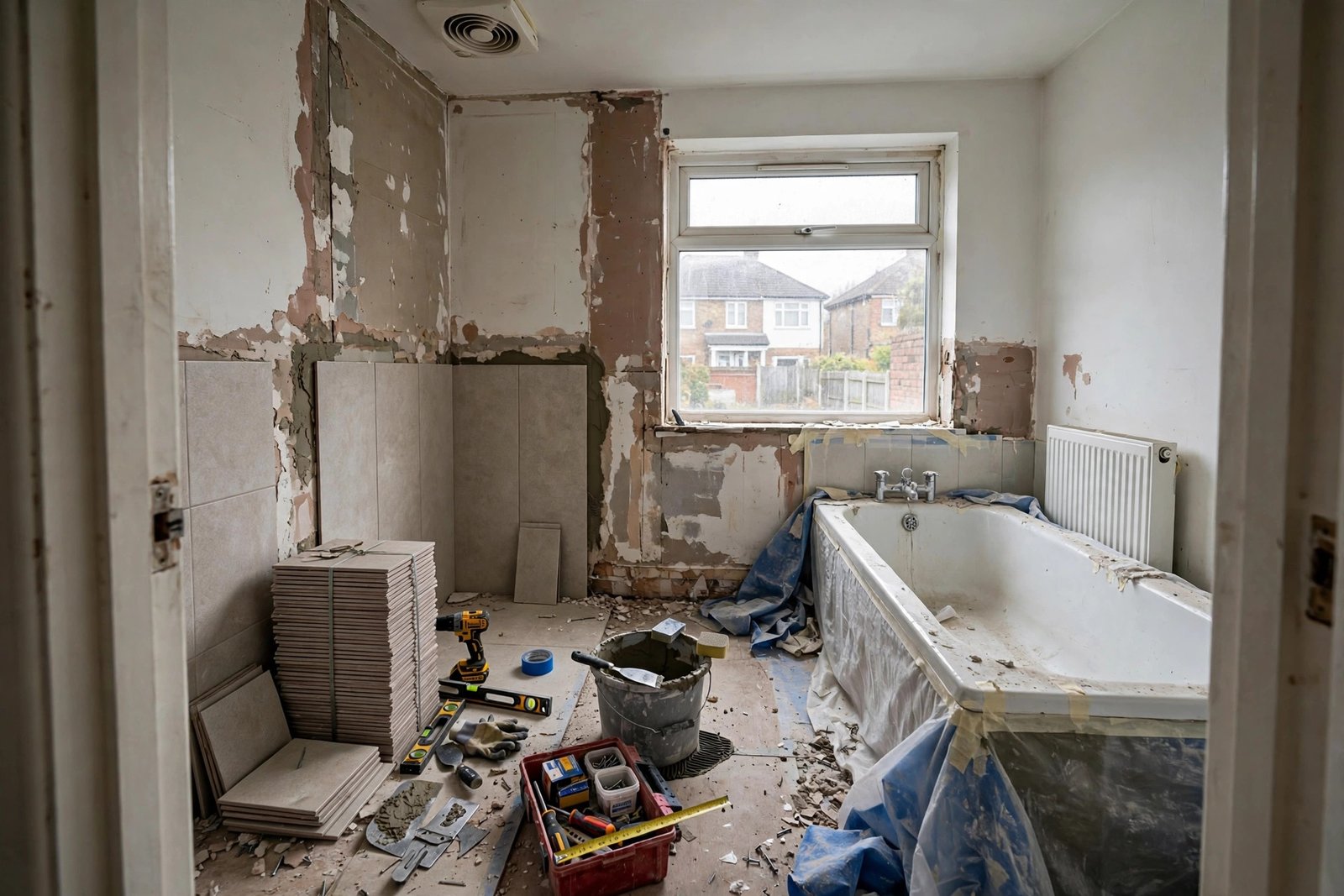
The quote covers the visible work; the surprises hide underneath. Moving soil pipes or waste runs can add £500+ if the new layout fights the existing plumbing. Rotten floorboards, failed tanking behind old tiles, and outdated wiring discovered mid-job all cost extra. In pre-2000 homes, budget for the possibility of asbestos in old cisterns or pipe lagging — professional removal is legally required. A 15% contingency is not pessimism; experienced renovators call it realism.
Popular Bathroom Trends Affecting Budgets
Wet Rooms and Level-Access Showers
Wet rooms continue to grow in popularity, partly due to their accessible, step-free design. However, they require extra waterproofing to British Standard BS 5385 and floor levelling work, which typically adds £500–£1,500 to the budget compared with a standard shower enclosure.
Warm, Textured Tile Finishes
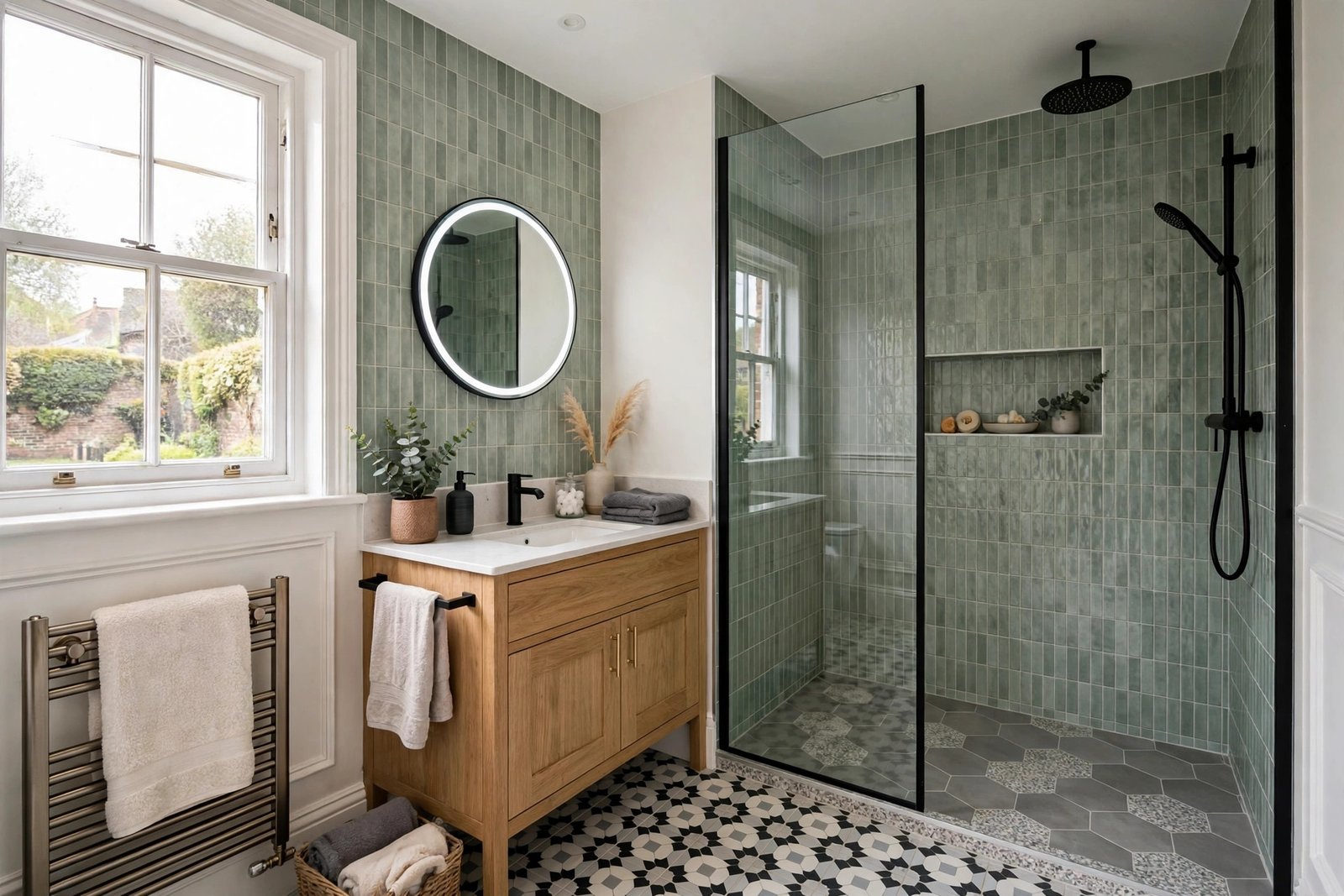
Homeowners are moving away from stark white bathrooms in favour of warmer tones, textured tiles, and finishes such as microcement. These options often cost slightly more per square metre than plain gloss tiles, but they require no extra installation time.
Smart Fixtures
Digital showers, sensor taps, and heated mirrors are appearing more often in mid-range renovations, not just luxury projects. These additions typically add £200–£800 to a project, depending on the number of smart fixtures chosen.
How to Read a Bathroom Quote Properly
A proper quote itemises labour, materials (with brands and models), waste removal, and VAT — lump-sum “bathroom: £7,000” quotes hide everything. Check what is excluded: are taps, shower valves and the suite itself included or “supplied by client”? Confirm who handles plastering, decorating and any electrical certification. Ask about the payment schedule — staged payments tied to completed milestones protect both sides. Two itemised quotes beat five vague ones.
How to Get a More Accurate Quote — and Budget for 2026
Get at least three written quotes from local, reviewed tradespeople, cross-checked against Which? Trusted Traders or Checkatrade profiles. Decide on your fixtures and tiles before requesting quotes, so estimates are like-for-like. Ask each tradesperson to itemise labour, materials, and any contingency separately.
For 2026 specifically: get quotes valid for at least 30 days, since prices can change quickly; set aside a 10–15% contingency fund for unexpected costs; compare at least three tradespeople before committing; and ask whether current material costs are locked in for the duration of the project.
Best Months to Book a Bathroom Fitter in 2026
Timing affects both price and availability. January to March is traditionally quietest — fitters have gaps and may sharpen quotes. Spring books up fast as everyone acts on new-year plans. Summer is peak season: highest prices, longest waits. Autumn offers a second quieter window. Book 6–8 weeks ahead minimum in peak months; in January you might start within two weeks. Never rush a fitter choice to hit a date — a bad installer costs more than a month’s delay.
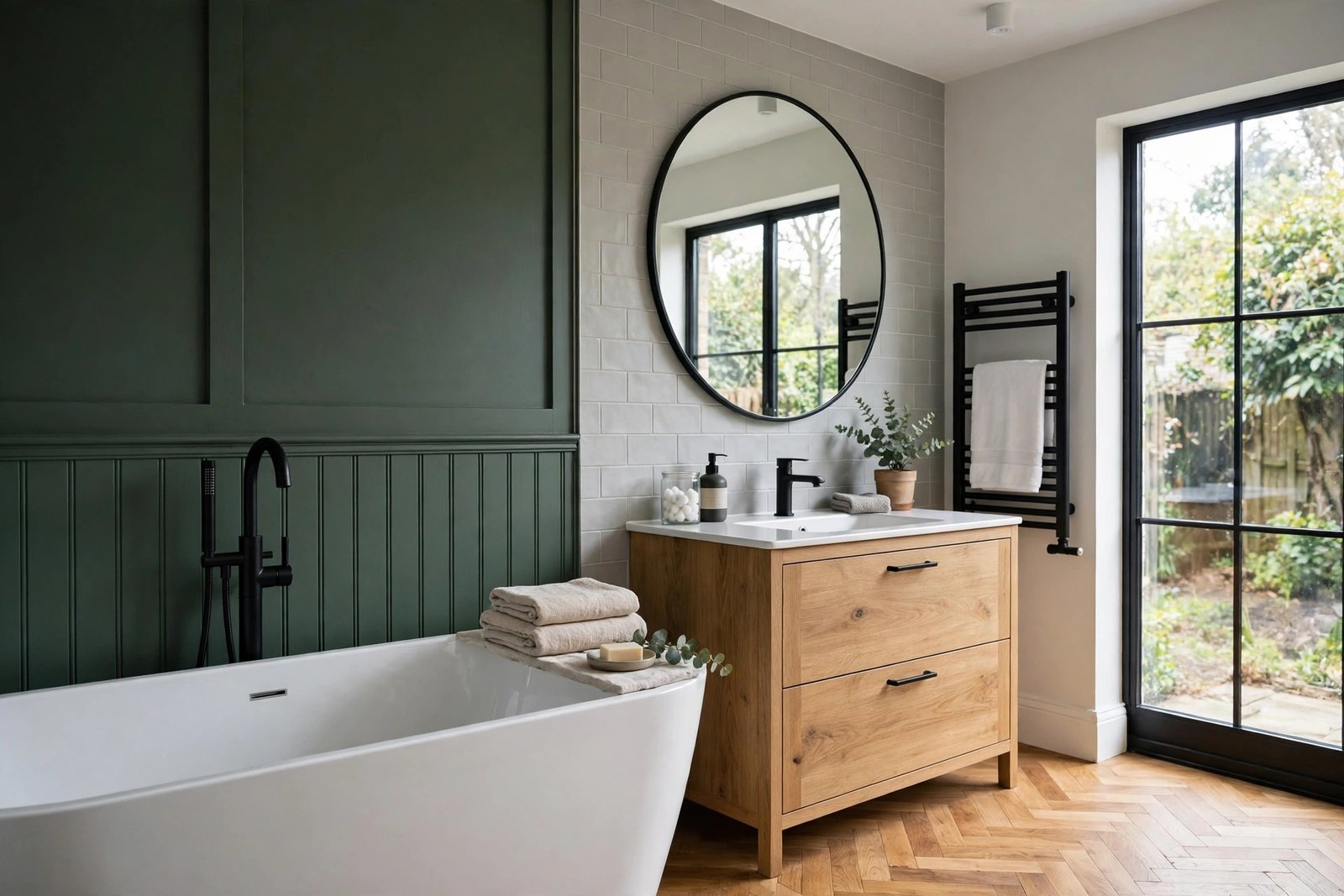
Negotiating Without Cutting Corners
Haggling on labour rarely works with good fitters — they are busy for a reason. Instead, negotiate scope smartly: doing your own rip-out and painting saves £300–£600; supplying your own suite (bought in sales) cuts the materials margin; flexible timing lets fitters fill gaps at better rates. Get everything agreed in writing before work starts, including what happens with unforeseen issues. The cheapest negotiation is choosing the right fitter first time — rework dwarfs any discount.
Financing Options for Bigger Renovations
Few people pay £10,000 from savings without blinking. Options include 0% purchase credit cards (for materials, if you can clear the balance), personal loans around 6–9% APR, or remortgaging to release equity — often the cheapest rate for large projects. Some suppliers offer interest-free finance on suites. Whatever you choose, get the full fitted quote first; financing a vague estimate is how budgets spiral.
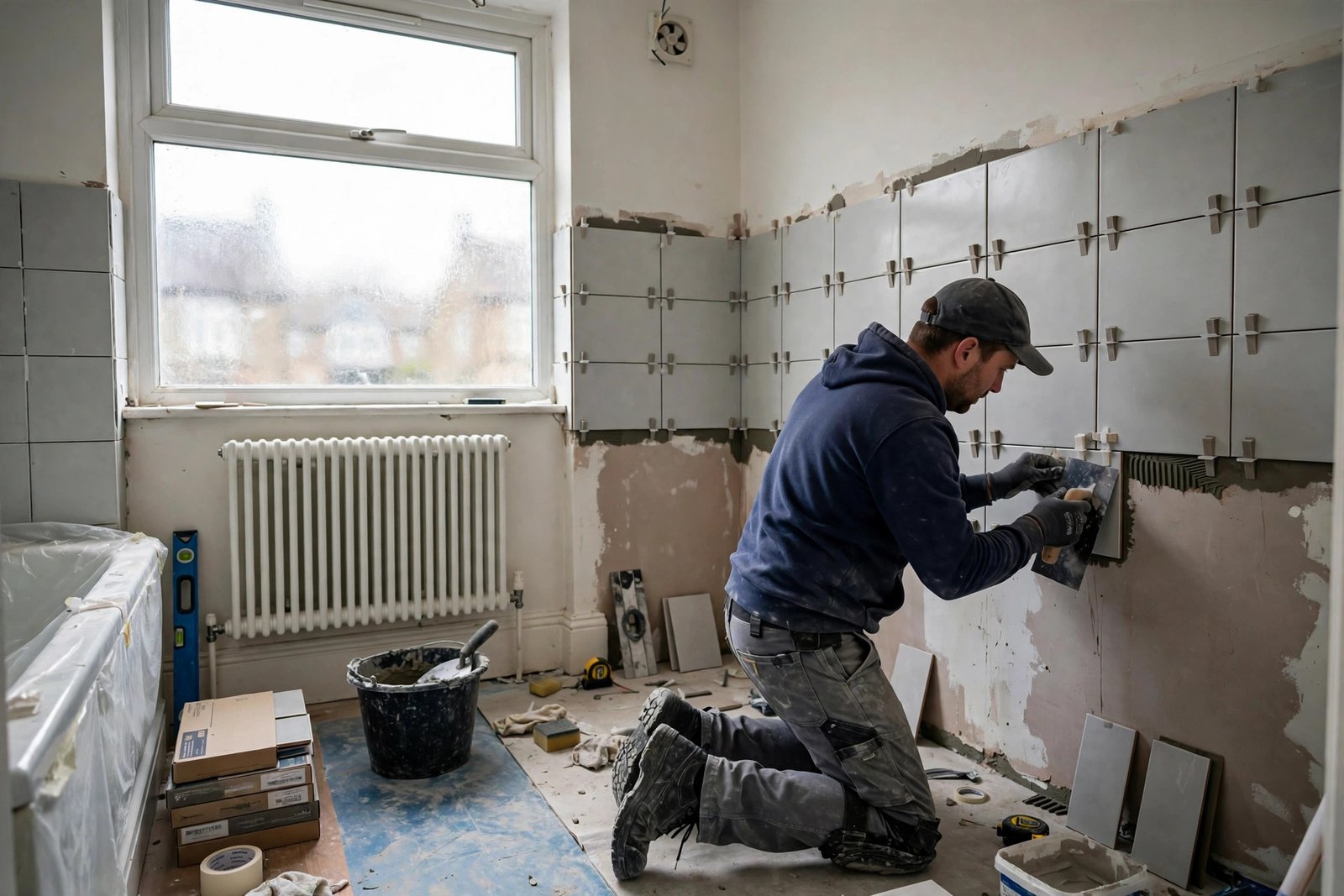
Is 2026 a Good Year to Renovate?
Honestly, yes — with caveats. Price stability means quotes you get now will roughly hold, unlike the volatile 2021–23 period. Fitter availability is reasonable outside peak months. Interest rates, while higher than the 2010s, have steadied, making financing predictable. The main risk is regulatory: evolving water-efficiency and ventilation standards could add requirements — check current Part G and Part F implications with your fitter. If your bathroom is tired and the budget exists, there is little reason to wait.
Frequently Asked Questions
What is the average bathroom renovation cost in the UK?
Most homeowners spend between £6,000 and £12,000 on a full, mid-range bathroom renovation, though this varies by region and material choice. In 2026, that mid-range figure is typically £6,500–£13,000 excluding VAT.
Is £5,000 enough to renovate a bathroom?
For a small to medium bathroom with a straightforward layout and mid-range fixtures, £5,000 can be enough, though it leaves little room for unexpected costs.
Do quotes usually include VAT?
Not always. Always confirm whether a quote is VAT-inclusive before comparing prices between tradespeople.
What is the most expensive part of a bathroom renovation?
Labour — usually 40–60% of the total. Of the materials, tiling (supply and fixing) and the shower/bath are typically the biggest single costs.
How long does a bathroom renovation take?
A straightforward rip-out and refit takes 1 to 2 weeks. Complex jobs with layout changes, wet-room tanking or structural work can run 3 to 4 weeks.
Are bathroom renovations more expensive in 2026 than in previous years?
Yes, modestly. Material and labour costs have risen slightly, pushing average renovation budgets up compared with previous years — roughly 5–8% since early 2024, driven mainly by labour rates.
Are wet rooms worth the extra cost in 2026?
For many households, yes, particularly where accessibility or long-term flexibility is a priority. However, they do add to both cost and installation time — typically £500–£1,500 over a standard shower enclosure.
Should I renovate now or wait for prices to fall?
Construction costs rarely fall significantly year over year. In most cases, locking in a quote now is more cost-effective than waiting.
When is the cheapest time to renovate a bathroom?
January to March, when fitters are quietest and most negotiable. Book 6–8 weeks ahead for spring and summer slots.