 by
by A bathroom renovation can transform one of the most-used rooms in your home. Whether you want a fresh look, better function, or a higher resale value, a well-planned renovation delivers all three. This guide walks you through the entire process, from first ideas to the final coat of grout.
What Counts as a Bathroom Renovation?
A bathroom renovation goes beyond a quick refresh. It usually involves ripping out old fixtures, moving pipework, retiling walls and floors, and fitting new sanitaryware. In contrast, a simple bathroom makeover might only involve repainting or replacing a few fittings. Understanding this difference helps you budget and plan correctly from the start.
Planning Your Bathroom Renovation
Good planning saves both time and money. Start by listing your priorities. Do you need more storage? A walk-in shower instead of a bath? Better lighting? Once you know your must-haves, you can design a layout around them.
Next, measure your space accurately. Small bathrooms need clever layouts, while larger rooms give you more design freedom. If you are unsure where to start, our guide on small bathroom renovation costs in the UK covers layout tips for compact spaces specifically.
How Much Does a Bathroom Renovation Cost?
Costs vary widely depending on size, materials, and whether you move any plumbing. As a rough guide, UK homeowners typically spend between £3,000 and £15,000 on a full renovation. For a detailed breakdown of labour, materials, and regional price differences, see our complete bathroom renovation cost UK guide, or jump straight to our quick cost breakdown by renovation type.
Choosing the Right Layout
Your layout depends on your bathroom’s shape, existing plumbing, and how you use the space. Keeping the toilet, basin, and bath or shower in their current positions usually keeps costs down, since it avoids expensive pipework changes. However, if your current layout doesn’t work well, moving fixtures can still be worthwhile in the long run.
Materials and Fixtures
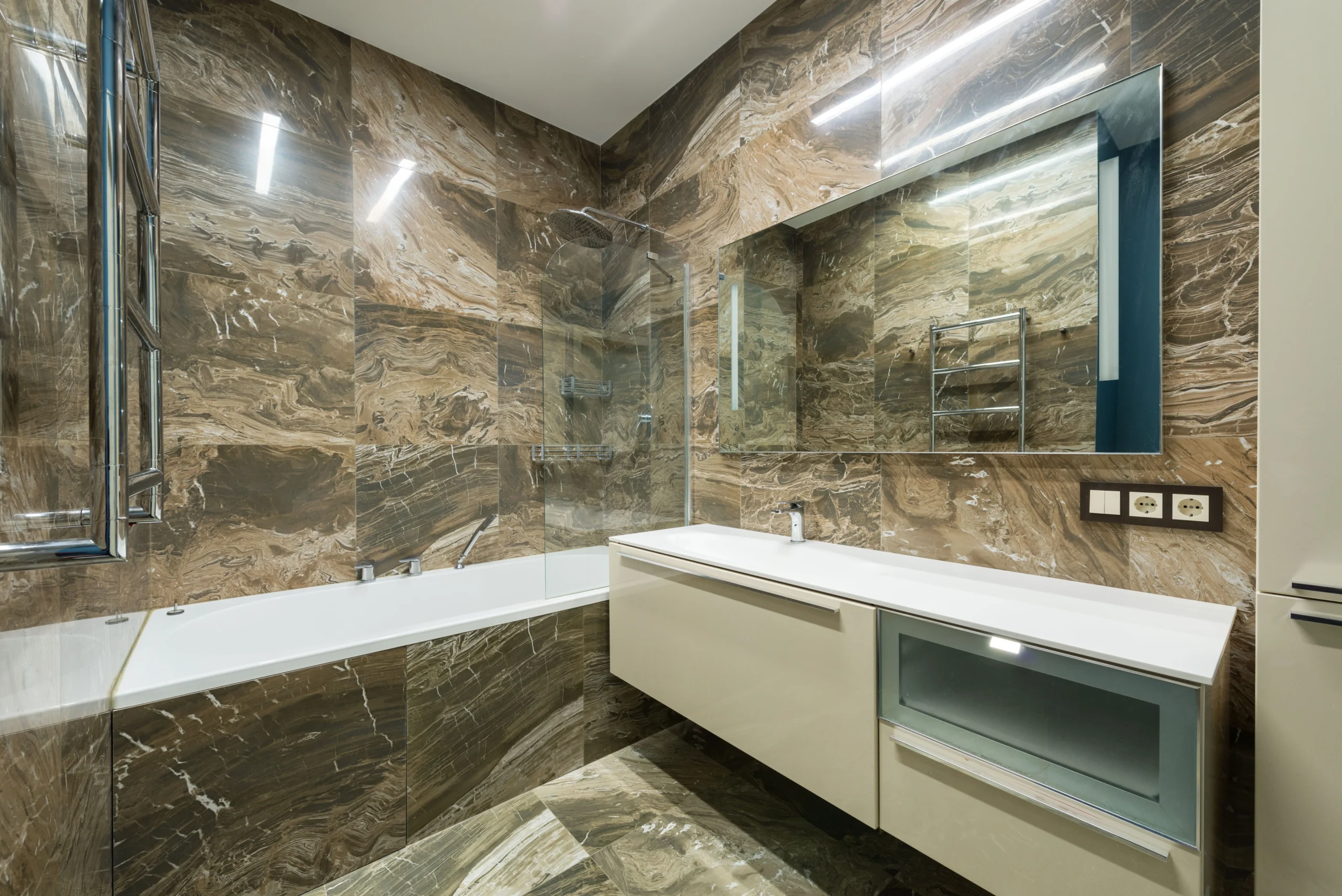
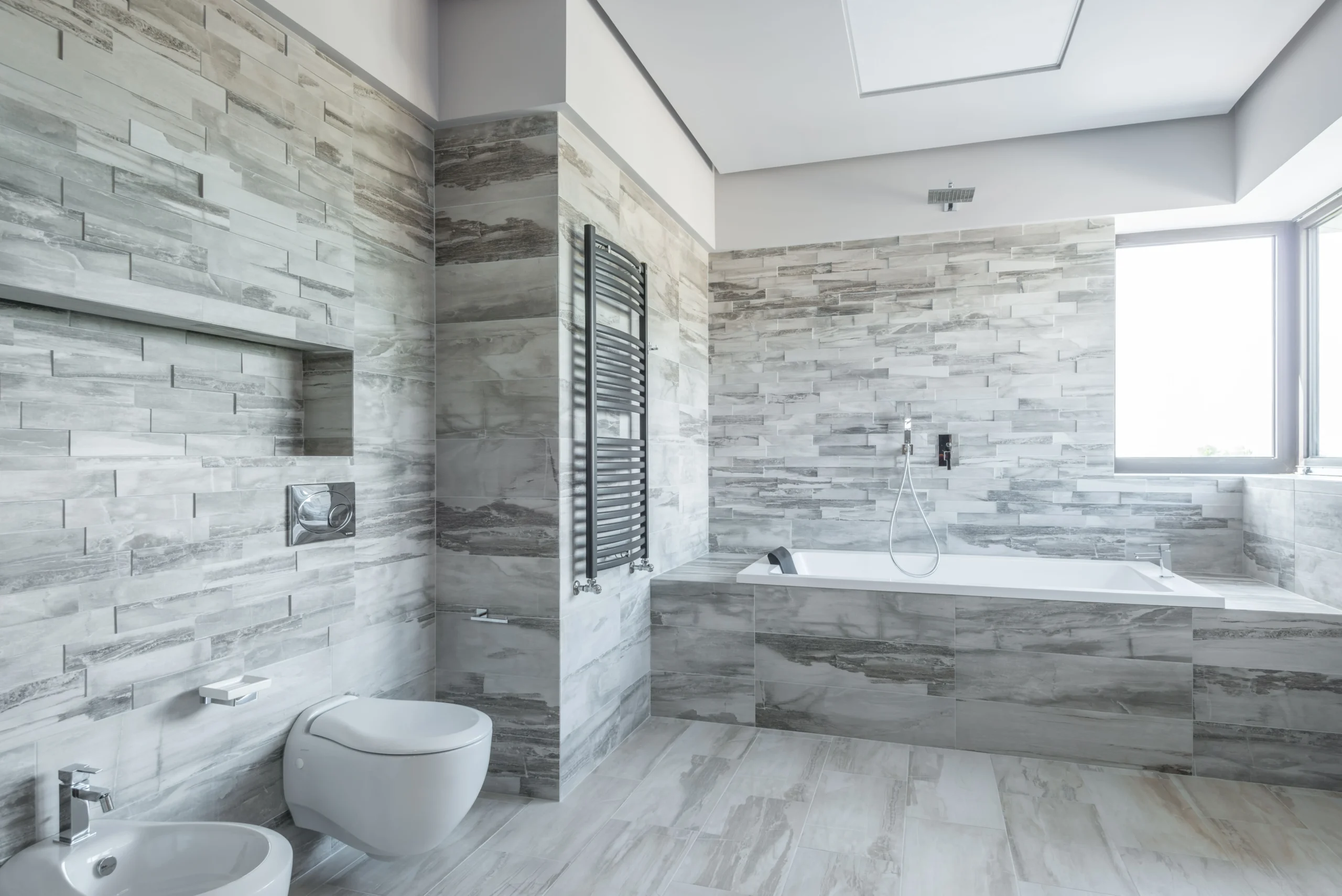
Material choice affects both the look and the durability of your new bathroom. Popular options include:
- Porcelain tiles – durable, low-maintenance, and available in many finishes
- Natural stone – a premium look, though it needs regular sealing
- Microcement – a seamless, jointless finish that’s grown popular for wet rooms and shower walls
- Acrylic baths and shower trays – lightweight and budget-friendly
- Vanity units with integrated basins – ideal for saving space and adding storage
- Underfloor heating (UFH) – a popular addition for tiled floors, since tiles alone can feel cold underfoot
Always check that any electrical fittings, such as shaver sockets or lighting, meet current UK safety zones for bathrooms.
Hiring the Right Tradespeople
Most renovations need a mix of trades: a plumber, an electrician, and a tiler. Some homeowners hire a single bathroom fitter who manages the whole project, while others prefer to hire each trade separately. The first option is usually simpler, though it may cost slightly more overall.
Always ask for references, check reviews, and confirm that electricians are Part P certified, ideally through a body such as NICEIC, before work begins. Checking a tradesperson’s registration with TrustMark or membership of the Federation of Master Builders is also a useful way to confirm they meet recognised UK standards.
Building Regulations and Permits
Most bathroom renovations don’t need planning permission. However, any electrical work must comply with Part P of the Building Regulations, and plumbing changes should meet Part G water efficiency standards. Tiling and waterproofing work is generally expected to follow British Standard BS 5385, which covers tanking and tile installation in wet areas. If you’re adding a new soil pipe, moving drainage, or relocating a gas combi boiler, check with your local authority, and confirm any gas work is carried out by a Gas Safe registered engineer.
How Long Does a Bathroom Renovation Take?
A standard renovation typically takes between one and three weeks. Larger projects, or those involving structural changes, can take longer. Ordering materials in advance helps avoid delays, since some tiles and fixtures have long lead times.
Common Mistakes to Avoid
Many renovations run into trouble because of a few avoidable mistakes:
- Underestimating the budget for unexpected plumbing issues
- Choosing tiles before checking they suit the room’s ventilation and moisture levels
- Skipping proper waterproofing (tanking) behind showers and baths
- Not planning storage early enough in the design process
Frequently Asked Questions
Do I need planning permission for a bathroom renovation?
In most cases, no. Bathroom renovations are considered permitted development. However, listed buildings or major structural changes may require approval.
Can I renovate a bathroom myself?
Basic tasks like painting or fitting accessories are DIY-friendly. However, plumbing and electrical work should always be handled by qualified, certified tradespeople.
What adds the most value to a bathroom renovation?
Good lighting, quality tiling, and efficient storage tend to add the most value, along with a layout that suits modern buyers’ expectations.
Related Bathroom Renovation Guides
- Bathroom Renovation Cost UK: Complete Price Guide
- Small Bathroom Renovation Cost UK: What to Expect
- Bathroom Renovation Cost Breakdown
- Bathroom Renovation Cost UK 2026: Latest Prices & Trends