 by
Quirky home furnishings go beyond small accessories to become the statement pieces a room is built around. This guide covers how to choose furnishings with real character, without sacrificing comfort or function.
What Makes a Furnishing “Quirky”?
A quirky furnishing usually stands out through shape, colour, or material rather than following standard, mass-market designs. This might be a sculptural chair, an unusual sideboard, or a sofa in an unexpected colour. Unlike smaller quirky accessories for the home, these are bigger investment pieces that anchor a room’s overall look. Many draw on postmodern design principles, which deliberately break from strict, functional Bauhaus-style minimalism.
Popular Quirky Furnishing Ideas
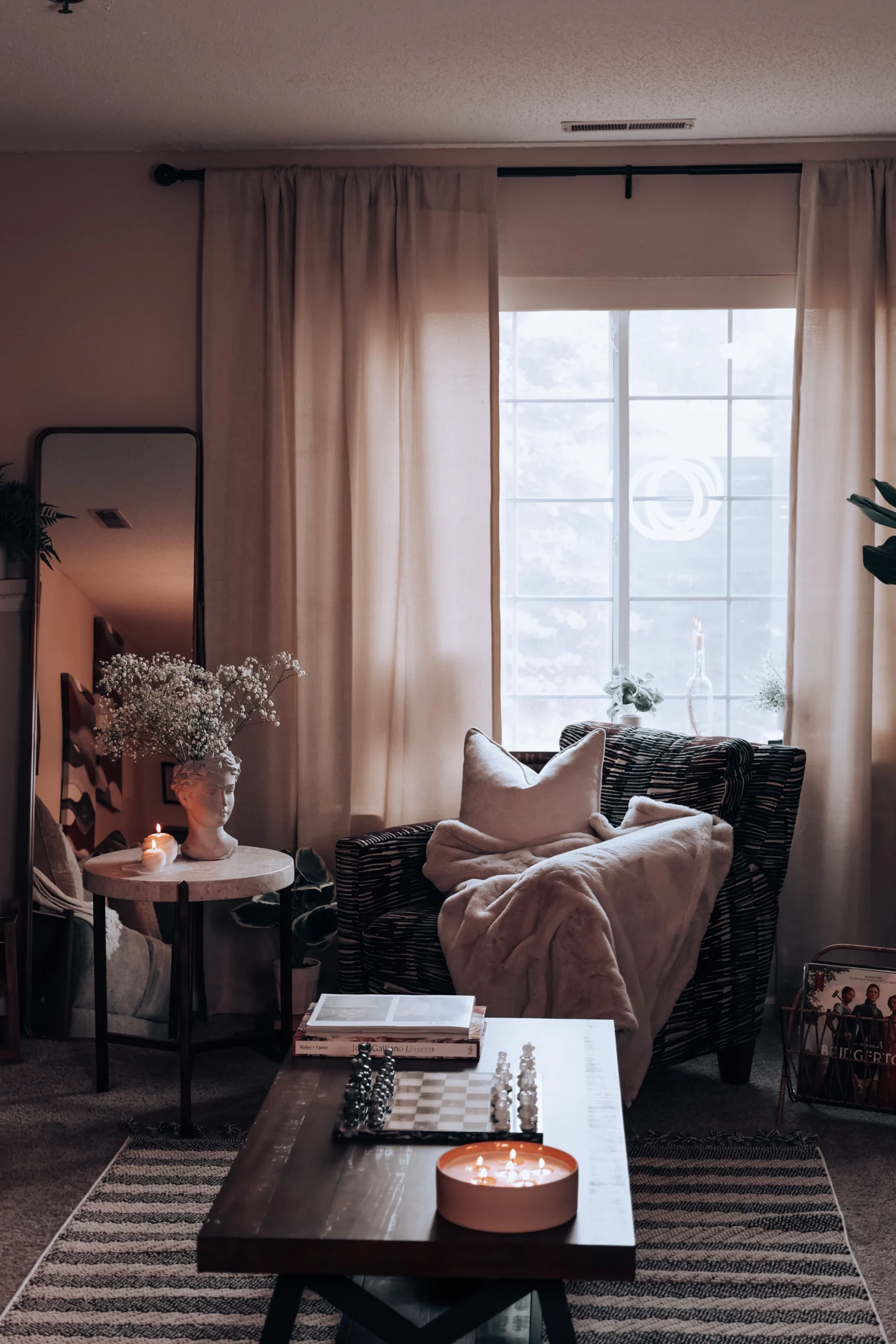
- Sculptural accent chairs in bold shapes or unusual materials, such as boucle or velvet
- Curved or asymmetric sofas, which break from the standard rectangular shape
- Reclaimed or repurposed sideboards, often with visible history and character
- Statement lighting, such as oversized pendant lights or sculptural floor lamps
- Travertine or terrazzo side tables, offering texture without a busy pattern
Choosing One Statement Piece Per Room
As with quirky accents, it usually works best to choose one true statement furnishing per room, then build the rest of the space around it with simpler, complementary pieces. This keeps a room feeling curated rather than chaotic.
Balancing Comfort and Character
An unusual shape shouldn’t come at the cost of comfort, particularly with seating. Always test furniture in person where possible, since photos don’t always convey how supportive or comfortable a piece actually is.
Where to Find Quirky Furnishings
Independent furniture makers and design-led retailers are good sources for pieces you won’t see in every other home. Vintage and reclamation yards are also worth exploring, particularly for furnishings with a more industrial or repurposed look. For genuinely older, characterful pieces, our vintage home decor guide covers sourcing authentic vintage furniture in more detail.
Styling Quirky Furnishings With the Rest of Your Home
Keep surrounding walls, flooring, and larger furniture relatively neutral if your statement piece is particularly bold. This allows the furnishing to stand out, rather than compete with its surroundings. Smaller home ornaments and accessories can then echo colours or materials from the statement piece, tying the whole room together.
Quirky Furnishings by Room: Where They Work Best
Quirky pieces land differently depending on the room. Living rooms take statement furniture best — an unusual armchair or sculptural coffee table becomes a natural talking point. Bedrooms suit subtler quirk: a vintage bedside table or patterned headboard adds character without disturbing rest. Home offices can carry playful pieces that would feel frivolous elsewhere. Bathrooms and kitchens, being functional spaces, usually suit just one quirky accent — a novelty mirror or unusual tap — rather than a full theme.
Vintage vs. New: Sourcing Character Pieces
Genuine vintage brings patina no new product can fake. Charity furniture shops, architectural salvage yards and auction houses are the best hunting grounds; a 1960s sideboard or Victorian washstand costs a fraction of a reproduction. The trade-off is condition — check joints, drawers and stability, and budget for minor restoration. New “quirky” ranges from high-street retailers offer the look with warranties and no woodworm risk, but everyone recognises them. A mix — one genuine vintage anchor plus new supporting pieces — usually works best.
When Quirky Goes Wrong: Common Mistakes
The line between characterful and chaotic is thinner than people think. The classic error is too many statement pieces competing — three quirky items in one room fight each other, while one shines. Another is ignoring scale: an oversized novelty chair swallows a small room. Clashing eras also jar — industrial, mid-century and farmhouse can mix, but need a unifying colour or material to hold together. When in doubt, remove one thing; editing is the skill most quirky decorators lack.
Quirky Pieces and Resale: What Sellers Should Know
If you might sell within a few years, think twice about built-in quirk. Freestanding statement furniture simply moves with you, but bold fitted choices — novelty tiles, unusual built-ins — can narrow your buyer pool. Estate agents consistently advise neutralising the most personal pieces before photography. The good news: quirky furniture holds resale value well on second-hand markets, where character is exactly what buyers are hunting for.
Budgeting for Statement Furniture
One rule keeps quirky furnishing affordable: one statement piece per room, bought well, beats five cheap novelties. Allocate £150 to £400 for a proper vintage find or quality new piece; below £50, focus on accessories rather than furniture, where the quality gap matters less. Always budget 10% extra for delivery — quirky often means bulky — and for vintage, a potential reupolstery or refinishing cost. For smaller-scale character, our quirky home accents guide covers accessories.
Frequently Asked Questions
Are quirky furnishings less comfortable than standard furniture?
Not necessarily, though it’s worth testing seating in person, since unusual shapes don’t always guarantee the same support as standard designs.
How many statement furnishings should a room have?
Generally, one true statement piece per room works best, with the rest of the space kept simpler to let it stand out.
Do quirky furnishings work in small rooms?
Yes, a single well-chosen piece can work particularly well in a small room, as long as the rest of the space stays relatively simple and uncluttered.
What counts as quirky home furnishing?
Furniture with unusual shapes, unexpected materials, vintage character or playful design — anything that stands out from standard high-street ranges and shows personality.
How do I style quirky furniture without it looking messy?
Give each statement piece breathing room, keep surrounding items calm and neutral, and limit yourself to one or two quirky pieces per room so they complement rather than compete.
Where can I buy quirky furniture in the UK?
Charity furniture shops, salvage yards and auction houses for genuine vintage; high-street retailers’ eclectic ranges and independent makers on Etsy UK for new quirky pieces.
Related Home Decor Guides
- Home Ornaments: Complete Buying & Styling Guide
- Quirky Home Accents: Unique Ways to Add Character to Your Home
- Quirky Accessories for the Home
- Vintage Home Decor: How to Get the Look