 by
Vintage home decor brings warmth and history into a space in a way that new, mass-produced pieces rarely can. This guide covers how to get the vintage look, where to source genuine pieces, and how to blend them with a more modern home.
What Counts as Vintage Home Decor?
Vintage typically refers to items at least 20 years old, though the term is often used more loosely to describe anything with an older, characterful style. This differs from antique, which usually means 100 years or older. For newer pieces with a similar spirit, see our quirky home accents guide.
Popular Vintage Decor Styles
- Mid-century modern – clean lines, warm wood tones, and tapered legs
- Retro 70s style – bold patterns, warm oranges and browns, and textured fabrics
- Shabby chic – distressed finishes, florals, and softer, pastel tones
- Industrial vintage – reclaimed metal, exposed wood, and factory-inspired lighting
- Art Deco – geometric symmetry, bold colour, and luxe materials like brass and lacquer
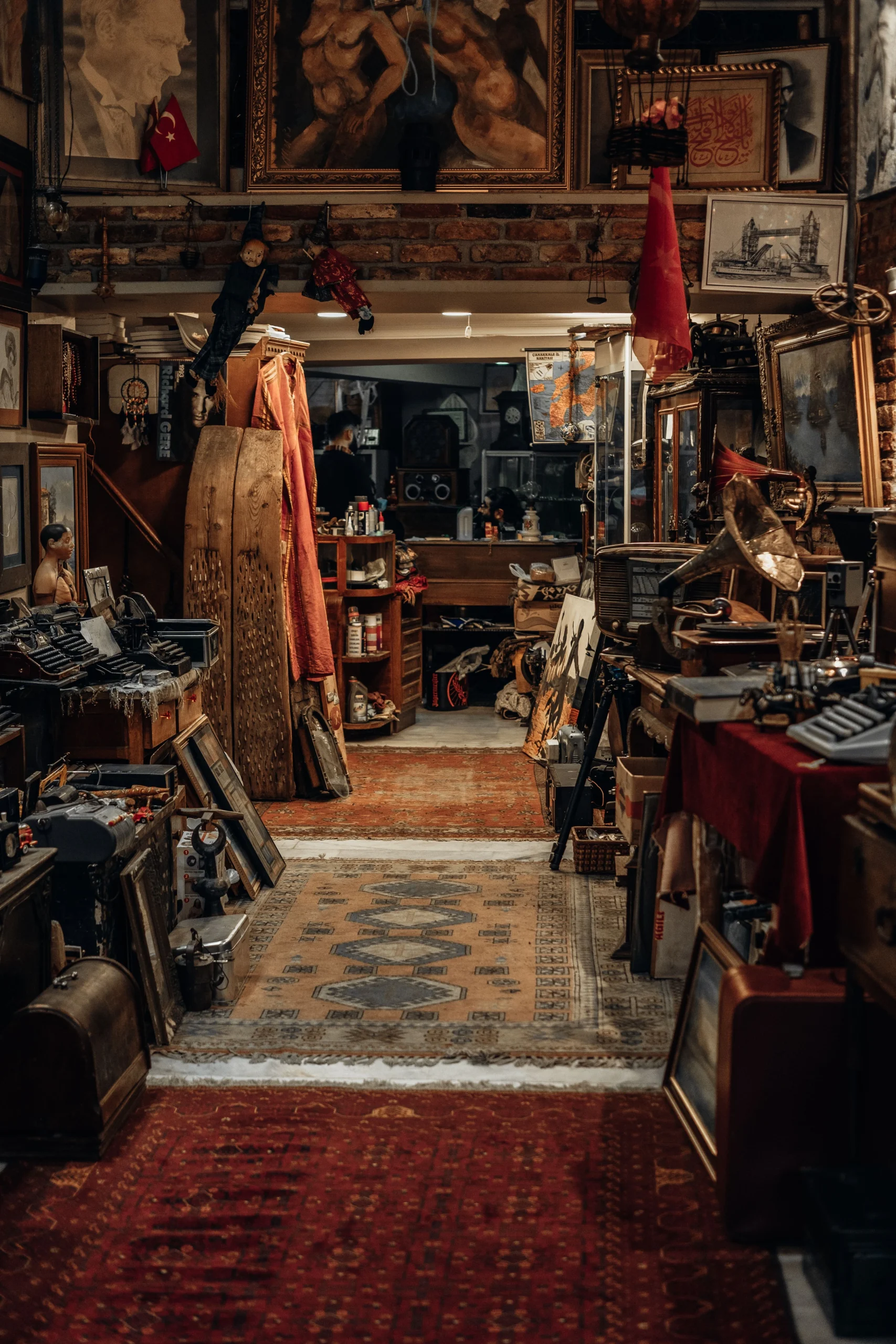
Where to Find Genuine Vintage Pieces
Charity Shops and Car Boot Sales
These remain some of the most affordable sources for genuine vintage finds, though it takes patience to spot good pieces among general secondhand items.
Antique Fairs and Vintage Markets
Markets dedicated to vintage and antique goods tend to have more curated selections, often at a higher price than charity shops, but with less searching required.
Online Vintage Sellers
Specialist online sellers often authenticate and date pieces for you, which is useful if you want confidence in a piece’s age and origin before buying.
How to Spot Quality Vintage Pieces
Check joints and seams on furniture for solid construction, rather than glue or staples, which usually indicate a newer, lower-quality reproduction. For ceramics, glass, and silver, look for maker’s marks or hallmarks on the base, since these can help confirm both age and origin, in much the same way experts on programmes like the Antiques Roadshow identify a piece’s history.
Blending Vintage With Modern Interiors
Vintage pieces don’t need to fill an entire room to work well. A single vintage armchair, lamp, or mirror can add warmth to an otherwise modern space, without making the whole room feel dated. Pairing vintage finds with quirky, contemporary accessories often creates the most balanced look. Our quirky accessories for the home guide has more ideas on pairing styles.
Caring for Vintage Decor
Vintage furniture often needs gentler cleaning products than modern pieces, since older finishes can be more delicate. Always test any cleaning product on a hidden area first, and avoid excessive moisture on wood and upholstered items.
Vintage vs. Retro vs. Antique: What’s the Difference?
The terms get thrown around loosely, but they mean specific things. Antique technically means 100+ years old. Vintage generally covers 20–99 years — roughly 1920s to early 2000s. Retro means new items styled to look old. The distinction matters for value: genuine vintage and antique pieces can appreciate, while retro is decoration only. Sellers sometimes label 1990s mass-produced items “vintage” — technically true, but not what collectors mean.
Best Vintage Finds by Room
Some rooms reward vintage hunting more than others. Living rooms: sideboards, armchairs and standard lamps — the golden trio of vintage finds. Bedrooms: dressing tables, mirrors and bedside cabinets. Kitchens: enamelware, scales and storage jars (check lead paint on very old pieces). Hallways: coat stands and console tables make first impressions. Bathrooms suit vintage mirrors and cabinets; avoid vintage plumbing unless professionally restored.
Restoring Vintage Pieces: Beginner Basics
You do not need a workshop to start. Cleaning: mild soap and water first, always — half of “restoration” is just proper cleaning. Wood: feed dry timber with beeswax or Danish oil; avoid silicone sprays that complicate future refinishing. Upholstery: leave structural work to professionals, but cushion covers are beginner-friendly. Know your limits: veneer repair, re-caning and French polishing reward practice but punish impatience — learn on a £10 charity find, not a £300 investment.
Fakes and Reproductions: How to Tell
The vintage market has its share of “marriages” and outright fakes. Check construction: dovetail joints, hand-cut irregularities and old screws signal genuine age; uniform machine perfection suggests reproduction. Look underneath and inside — fakers rarely age hidden areas convincingly. Patina should be consistent with the claimed age; a “Victorian” piece with pristine bright brass is suspicious. When significant money is involved, a professional appraisal (£50–£100) is cheap insurance.
Insuring Valuable Vintage Pieces
Standard contents insurance covers vintage items at replacement value — which for rare pieces may be far below their actual worth. Single items over £1,500–£2,000 (limits vary) usually need specifying separately. Keep purchase receipts, photographs and any valuations; for inherited pieces, get a written valuation for insurance purposes. Some insurers offer specific fine-art and antiques cover with better terms for collections. For mixing vintage with bolder pieces, see our quirky accents guide.
Frequently Asked Questions
What’s the difference between vintage and antique decor?
Vintage generally refers to items at least 20 years old, while antique usually describes items 100 years or older.
Is vintage decor more expensive than new decor?
It depends on the piece and where you source it. Charity shops and car boot sales can be very affordable, while curated vintage sellers often charge more for authenticated, well-preserved items.
Can I mix different vintage styles in one room?
Yes, as long as there’s a unifying element, such as a shared colour palette or material, mixing different vintage eras can work well together.
What is considered vintage home decor?
Generally items 20 to 99 years old — from the 1920s to the early 2000s. Antique means 100+ years; retro means newly made in an old style.
How do I know if vintage furniture is valuable?
Check maker’s marks, construction quality (dovetails, solid timber), and comparable sold prices — not asking prices. For significant sums, pay for a professional appraisal.
Where is the best place to buy vintage decor in the UK?
Charity furniture shops, architectural salvage yards, auction houses and vintage fairs. Online, specialist dealers beat general marketplaces for authenticated pieces.
Related Home Decor Guides
- Home Ornaments: Complete Buying & Styling Guide
- Quirky Home Accents: Unique Ways to Add Character to Your Home
- Quirky Accessories for the Home
- Quirky Home Furnishings: Statement Pieces for Every Room