 by
by Home ornaments do more than fill an empty shelf. The right pieces add personality, warmth, and a sense of story to a room. This guide covers how to choose, style, and shop for home ornaments that actually suit your space, rather than just cluttering it.
What Makes a Good Home Ornament?
A good ornament earns its place on a shelf. It should either mean something to you, add a useful pop of colour or texture, or draw the eye in a way that feels intentional. Ornaments bought purely to fill a gap often end up looking out of place, so it helps to choose with a little more thought.
Popular Types of Home Ornaments
- Ceramic and porcelain figures – classic, often collectible, and easy to find in charity shops and antique markets, with historic UK makers such as Wedgwood and Royal Doulton still widely collected today
- Glass ornaments – reflect light well and suit modern, minimal spaces
- Wooden carved pieces – add warmth and work well in rustic or Scandinavian-style rooms
- Metal and brass ornaments – durable, often vintage-inspired, and suit eclectic interiors
If your taste leans towards more unusual pieces, our guide to quirky home accents covers bolder, statement-making options in more detail.
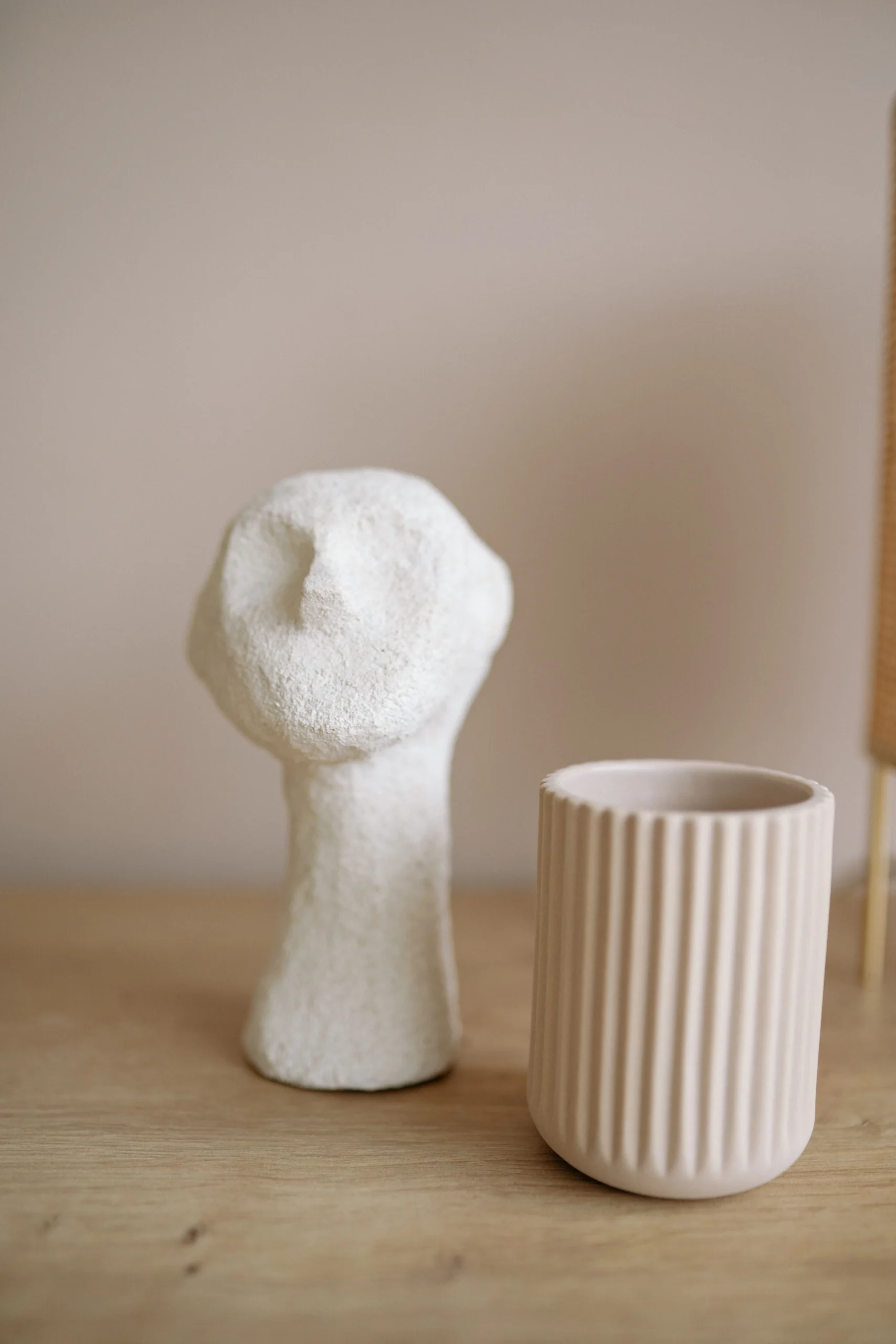
Ornament Styles Through the Decades
Ornament styles often trace back to distinct design periods, and recognising them helps when building a cohesive collection. Georgian and Victorian pieces tend to favour intricate detail and rich colour, Art Deco brings geometric shapes and bold contrast, and Mid-Century Modern favours simple, organic forms. The Victoria and Albert Museum holds an extensive collection covering these periods, which can be a useful reference point when identifying a style you’re drawn to.
How to Style Home Ornaments
Group in Odd Numbers
Displays of three or five ornaments tend to look more natural than pairs or even numbers. This is a simple styling trick used by interior designers to create visual balance without symmetry feeling forced.
Vary the Height
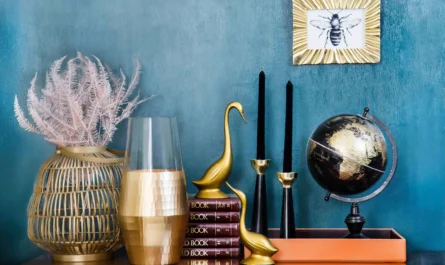
Placing ornaments of different heights next to each other creates a more interesting display than a flat row. A tall vase, a mid-height figure, and a small trinket together read as a considered arrangement rather than a random collection.
Leave Breathing Room
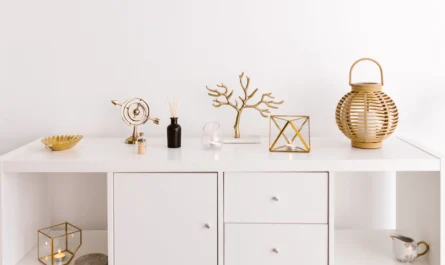
Every shelf doesn’t need to be full. Leaving some empty space around ornaments actually helps each piece stand out, rather than competing for attention.
Where to Buy Home Ornaments
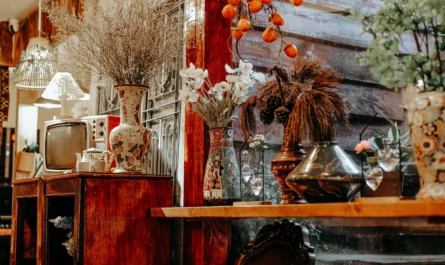
Charity shops, antique fairs, and vintage markets are excellent sources for unique, one-of-a-kind pieces. For something with a specific vintage character, see our dedicated guide on vintage home decor, which covers where to source authentic pieces and how to spot quality.
For newer, ready-to-style options, homeware retailers and independent home accessory shops often carry seasonal collections that update throughout the year.
Caring for Your Ornaments
Dust ceramic and glass pieces regularly with a soft, dry cloth to avoid a build-up that dulls their appearance. Wooden ornaments benefit from an occasional wipe with a slightly damp cloth, followed by drying, to prevent the wood from drying out or cracking.
Mixing Styles Without Clutter
It’s entirely possible to combine vintage, modern, and quirky ornaments in the same room, as long as there’s a common thread, such as a shared colour palette or material. Our guide to quirky accessories for the home has more tips on blending unusual pieces with a cohesive look.
Ornaments by Material: Ceramic, Glass, Metal, Wood
Material defines both look and longevity. Ceramic and porcelain offer endless glaze effects but chip — display away from high-traffic edges. Glass plays with light beautifully but shows dust; coloured glass hides it better than clear. Metal (brass, bronze, iron) develops patina that many collectors prize — polish or preserve, but decide deliberately. Wood brings warmth and suits both rustic and Scandinavian schemes; keep from direct sun to prevent cracking. Mixed-material displays look richest when one material dominates.
Vintage vs. New Ornaments
Vintage ornaments carry history and often superior craftsmanship — mid-century ceramics, brass animals, art glass — and hold value well. New ornaments offer perfect condition, current styles and no lead-paint worries on very old pieces. The sweet spot for most homes is a mix: a few genuine vintage anchors among well-chosen new pieces. Charity shops and car boot sales are vintage ornament goldmines; a £2 find often out-charms a £30 new equivalent.
Ornaments as Gifts: What Works
Ornaments are classic gifts because they are personal yet low-risk. Match the recipient’s taste, not yours — the minimalist gets one sculptural piece, not a patterned vase. Small and neutral travels well across tastes; large and bold needs certainty. Avoid anything requiring specific placement (a 30cm sculpture needs a home). And consider useful-beautiful: a stunning bowl, a beautiful clock — gifts that earn their shelf space get kept, not regifted.
Styling Shelves: The Rule of Three
Shelves styled in odd-numbered groups — threes and fives — look naturally balanced to the human eye. Vary heights within each group (tall, medium, small), mix materials, and leave negative space: a shelf at 70% full looks curated, at 100% looks cluttered. Step back and squint — the shapes should read as a pleasing composition even blurred. Rotate seasonally: the shelf that thrilled you in January may bore you by July, and rotation costs nothing.
When to Declutter Your Ornaments
Collections creep. Warning signs: you dust around objects rather than moving them; you cannot name why you keep something; surfaces have no empty space. The fix is not ruthless minimalism but curation: box everything, then reintroduce only pieces you actively love, one shelf at a time. Donate or sell the rest — charity shops welcome ornaments, and vintage pieces often sell well online. Fewer, better objects always beat more, forgotten ones. For larger decorative statements, see our vintage decor guide.
Frequently Asked Questions
How many ornaments should I display on one shelf?
As a general rule, three to five pieces per shelf tends to look balanced, though this depends on the shelf size and the ornaments themselves.
Are vintage ornaments a good investment?
Certain vintage and antique ornaments can hold or increase in value over time, though most people buy them for their character rather than as an investment.
How do I stop ornaments looking cluttered?
Stick to a limited colour palette, vary heights rather than lining pieces up, and leave some empty space between groupings.
How do you style ornaments on shelves?
Group in odd numbers (threes work best), vary heights within each group, mix materials, and leave about 30% of the shelf empty so the display breathes.
How many ornaments should you have in a room?
Enough to show personality, few enough that each piece can be appreciated — typically 5 to 10 across a room. If you stop noticing individual pieces, you have too many.
Where can I buy unique home ornaments in the UK?
Charity shops, car boot sales and vintage fairs for one-offs; independent makers on Etsy UK for new unique pieces; high-street homeware for affordable current styles.
Related Home Decor Guides
- Quirky Home Accents: Unique Ways to Add Character to Your Home
- Quirky Accessories for the Home
- Vintage Home Decor: How to Get the Look
- Quirky Home Furnishings: Statement Pieces for Every Room