 by
Finding quirky accessories for the home doesn’t have to mean expensive design shops. From market stalls to online independents, there are plenty of places to find pieces with real personality. This guide covers where to shop and how to style what you find.
What Are Quirky Home Accessories?
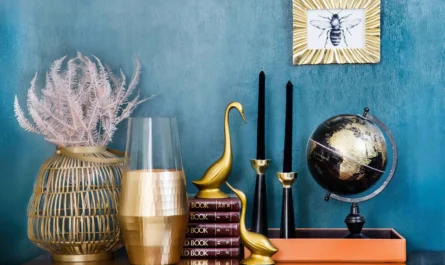
Quirky home accessories cover a broad range of items, from unusual candle holders to novelty coat hooks. Unlike a single statement accent, these are often smaller, more affordable pieces you can collect gradually. For bolder, standalone statement pieces, see our guide to quirky home accents.
Where to Find Quirky Home Accessories
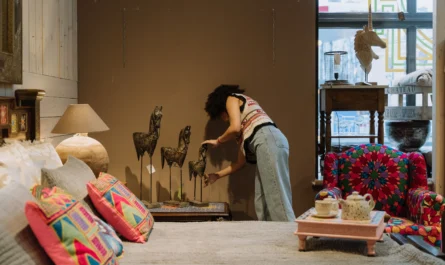
Independent Homeware Shops
Independent shops often stock smaller runs of unusual designs that larger retailers don’t carry. They’re a good source if you want something less commonly seen in other homes.
Vintage and Antique Markets
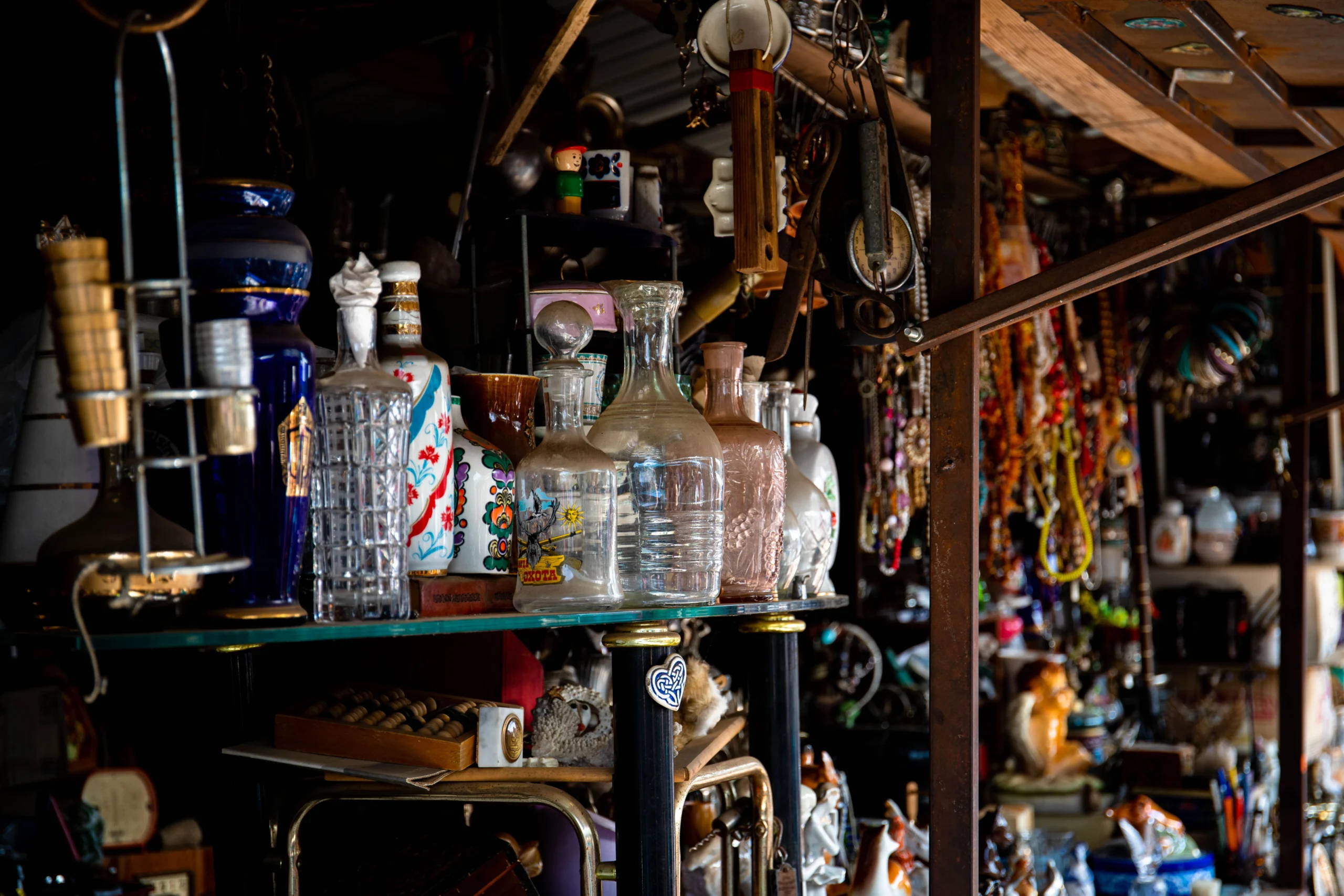
Markets are ideal for one-off finds, particularly for items with an older, characterful look. Well-known UK markets such as Portobello Road and Alfies Antique Market in London are worth a visit for this kind of browsing. If this is your preferred style, our vintage home decor guide covers sourcing tips in more detail.
Online Marketplaces
Online marketplaces, such as Etsy, connect you directly with independent makers, which often means more unusual, handcrafted designs than you’d find on the high street.
Budget-Friendly Ways to Add Personality
- Swap plain cushion covers for patterned or textured designs
- Add a single unusual door stop or bookend to a room
- Choose novelty or sculptural candle holders instead of plain ones
- Introduce colour through smaller items, such as trays or coasters, rather than furniture
How to Style Quirky Accessories
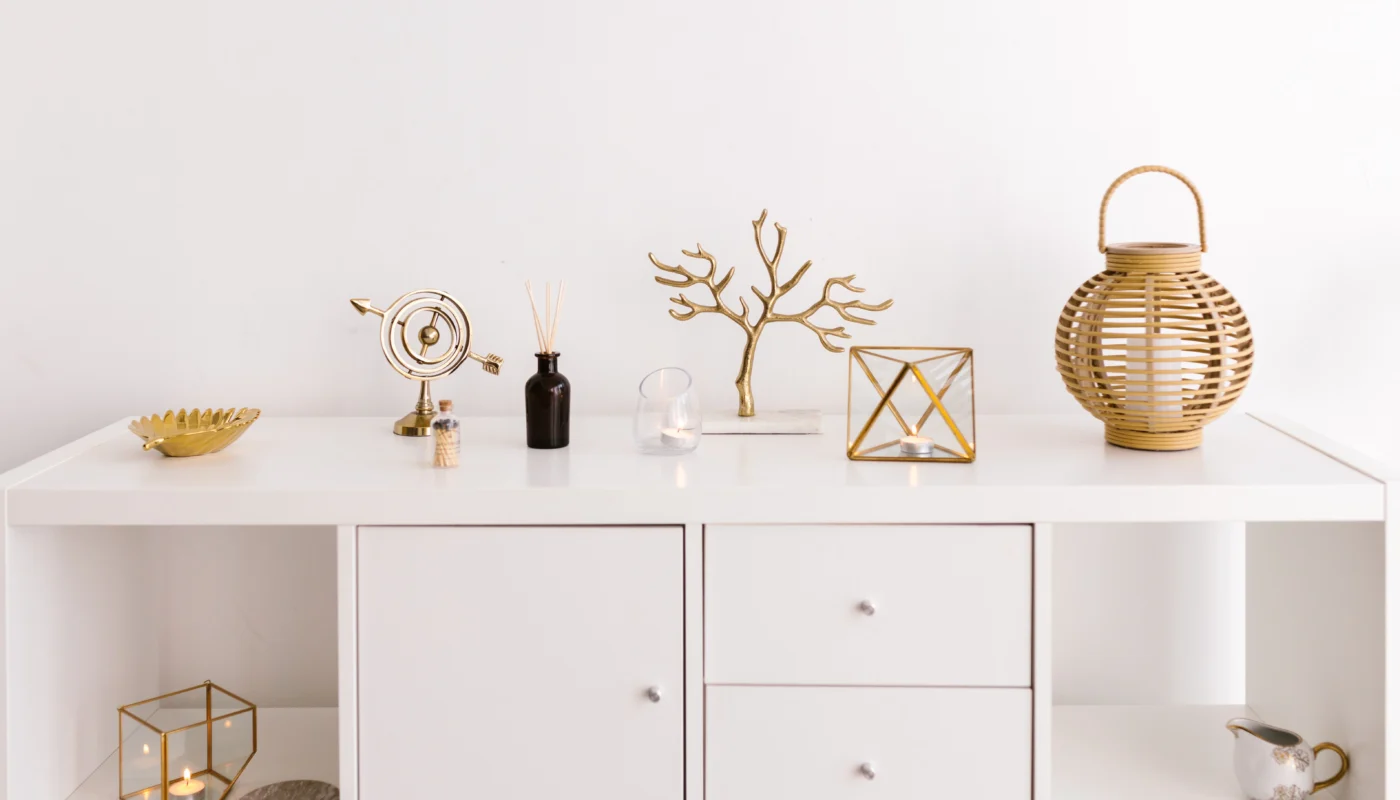
Group smaller accessories by colour or material rather than by type, since this creates a sense of intention rather than a random collection. It also helps to rotate accessories seasonally, keeping a room feeling fresh without buying new pieces constantly.
For larger statement pieces to anchor your quirky accessories around, our quirky home furnishings guide covers bigger investment pieces worth considering.
Avoiding Clutter With Quirky Accessories
The easiest way to avoid clutter is to set a rough limit per shelf or surface, and to remove one item each time you add a new one. This keeps a collection feeling curated rather than accumulated.
Quirky Accessories for Small Spaces
Small rooms punish clutter fastest, so quirky accessories must earn their place. Choose pieces that work hard: a sculptural lamp that is also the room’s main light, a decorative mirror that bounces light around, a patterned storage box that hides remotes. Wall-mounted quirk — unusual clocks, floating shelves with characterful brackets — adds personality without consuming floor space. In compact rooms, one larger statement beats five small trinkets, which just read as mess.
Seasonal Swaps: Refreshing Without Rebuying
You do not need new accessories to refresh a room — just rotate. Pack away half your decorative objects each season and swap them: autumn brings warm textiles and candles, spring calls for glass, ceramics and botanical prints. This costs nothing, makes familiar pieces feel new again, and stops any room looking static. Store off-season items in labelled boxes; the system only works if swapping takes twenty minutes, not a whole weekend.
DIY Quirky Accessories: Personal Touches
The quirkiest accessory is one nobody else owns. Upcycling turns charity-shop frames into gallery walls with a coat of spray paint; old maps become drawer liners or framed art; jam jars become pendant lights with a simple kit. Personal photos printed large and framed uniformly look deliberately curated rather than random. DIY pieces carry stories, and guests always ask about them — which is rather the point of quirky decor.
Gifting Quirky Accessories: What Works
Quirky accessories make excellent gifts because they are personal without being risky — unlike furniture, a small object does not commit the recipient to a style. Match the quirk to the person: the plant lover gets the unusual planter, the reader gets the sculptural bookend. Avoid anything too taste-specific (taxidermy-style art divides opinion sharply) and keep it small enough to fit any room. When in doubt, useful-quirk — a beautiful unusual mug, a striking doorstop — beats pure decoration.
When to Stop: The One-In-One-Out Rule
Quirky collections have a natural tendency to multiply. Adopt one-in-one-out: every new accessory means an old one gets stored, donated or moved to another room. Do a quarterly cull — if you have not noticed an object in three months, you will not miss it. Photograph arrangements you love before dismantling them; it makes editing feel less like loss. A curated ten beats an accumulated fifty every time. For bigger statement pieces, see our quirky furnishings guide.
Frequently Asked Questions
Are quirky home accessories expensive?
Not necessarily. Many quirky accessories, such as cushion covers, candle holders, and small ornaments, are inexpensive ways to add personality to a room.
How do I avoid my home looking cluttered with quirky pieces?
Set a loose limit per surface, group items by colour or material, and remove older pieces as you introduce new ones.
Where’s the best place to find unique home accessories?
Independent shops, vintage markets, and online marketplaces connecting you with independent makers tend to offer the most unusual, less mass-produced options.
How do I add personality to my home on a budget?
Focus on accessories rather than furniture: charity-shop frames, plants, textiles and a bold paint colour on one wall deliver the most personality per pound.
What are good quirky accessories for a living room?
A sculptural lamp, an unusual mirror, patterned cushions and one conversation-piece object — kept to a few well-chosen items rather than shelves of trinkets.
How do I stop quirky decor looking cluttered?
Limit each room to a handful of pieces, give everything breathing room, use the one-in-one-out rule, and keep backgrounds calm so the quirky items can shine.
Related Home Decor Guides
- Home Ornaments: Complete Buying & Styling Guide
- Quirky Home Accents: Unique Ways to Add Character to Your Home
- Vintage Home Decor: How to Get the Look
- Quirky Home Furnishings: Statement Pieces for Every Room