 by
A home water filtration system treats water as it enters your property, rather than filtering it at a single tap. This guide explains how these systems work, what’s involved in installation, and whether one makes sense for your household.
What Is a Home Water Filtration System?
Unlike a jug or tap filter, a whole-home system is installed at the point where water enters the property, usually near the stopcock. From there, every tap, shower, and appliance receives filtered water. For a comparison with other filter types, see our main water filters for home guide.
How Whole-Home Filtration Works
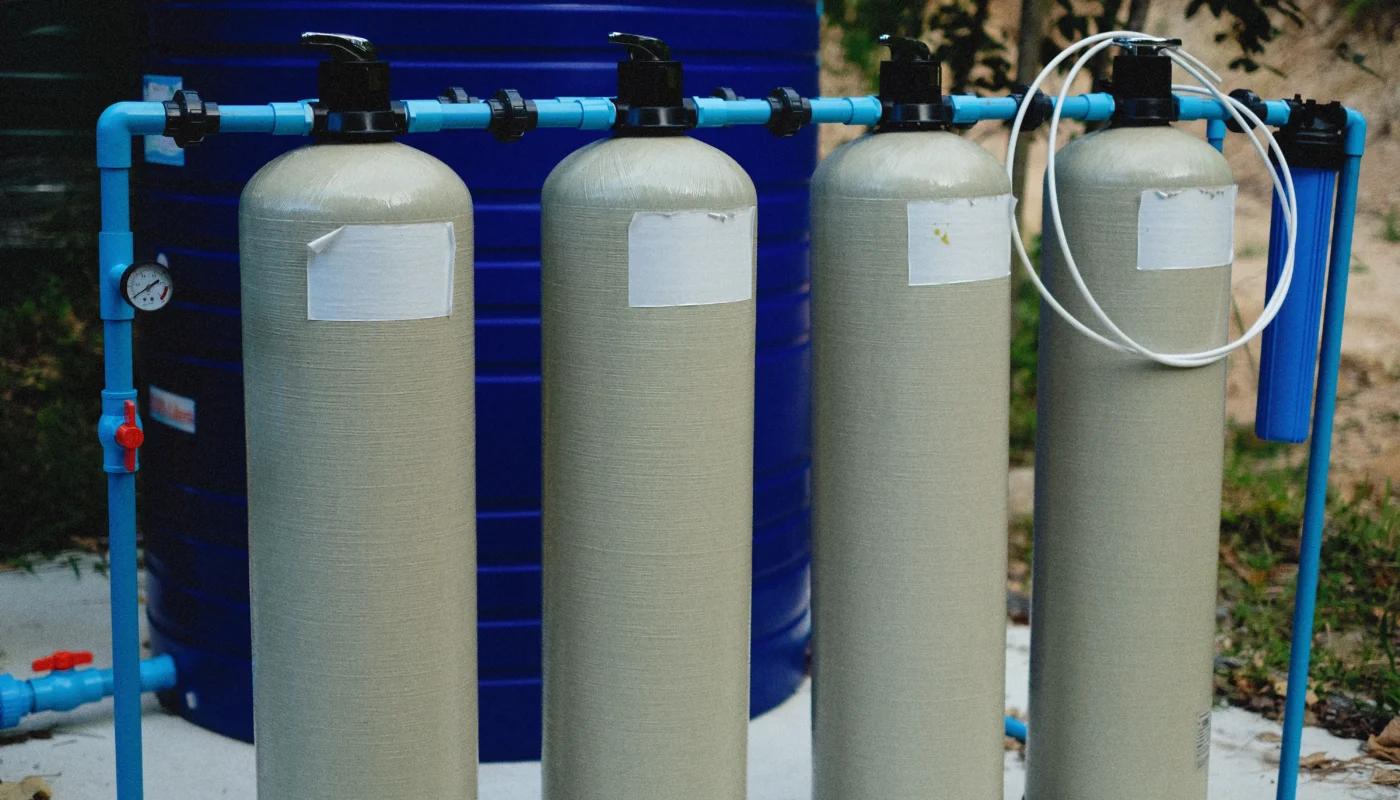
Most systems use a series of filter stages, starting with sediment removal, followed by carbon filtration to reduce chlorine and improve taste. Some systems add further stages, such as UV treatment, for additional protection against bacteria.
Signs Your Home Might Benefit From One
- Noticeable limescale build-up on taps, kettles, and shower heads
- A strong chlorine taste or smell from tap water
- Visible sediment or discolouration in tap water
- Multiple household members with sensitive skin affected by hard water
Installation: What to Expect
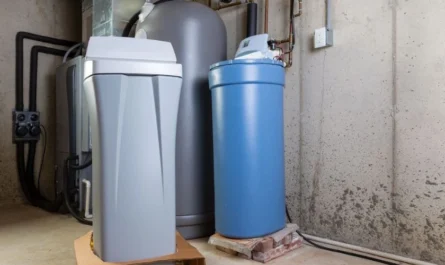
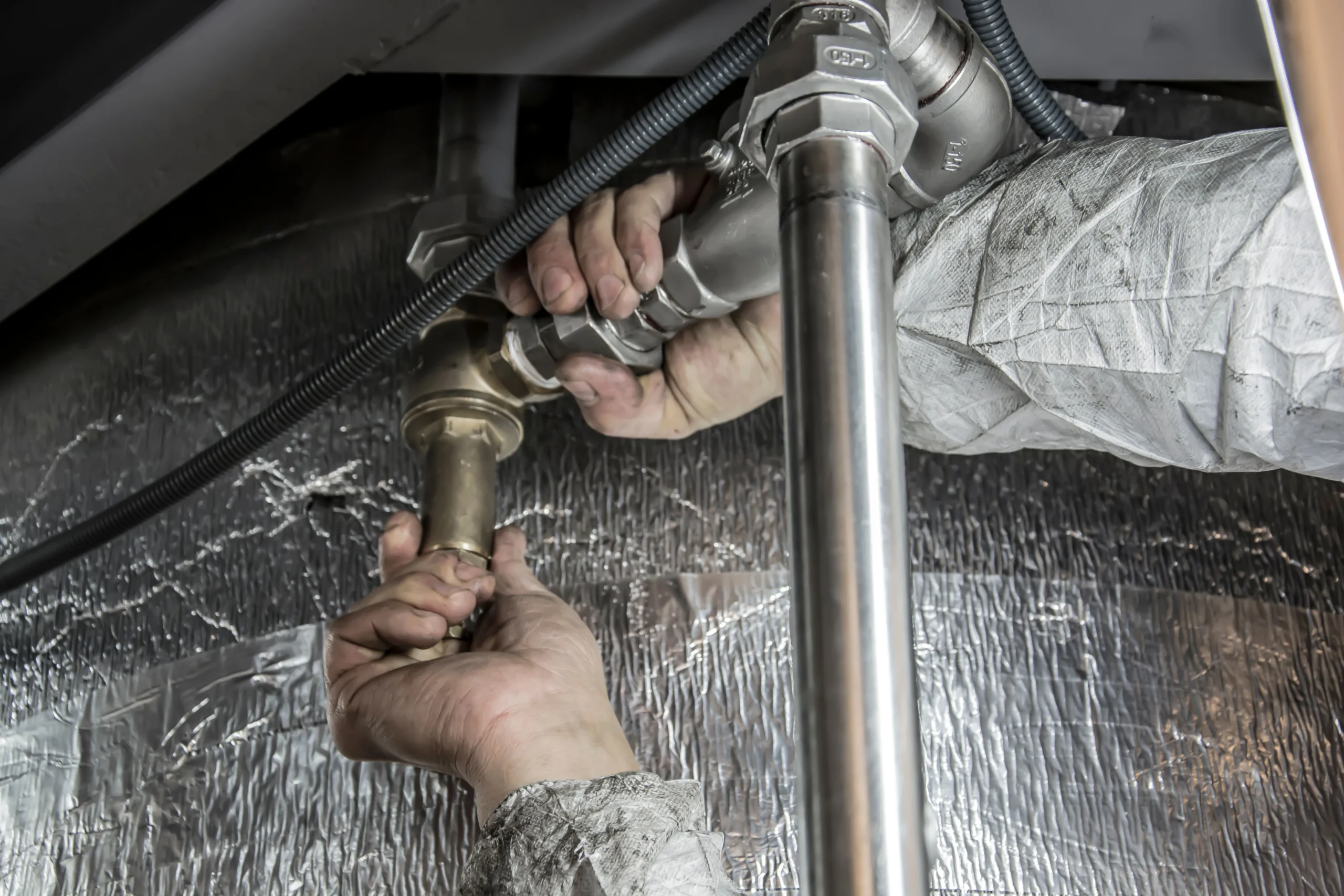
Installation typically involves a plumber fitting the unit near your incoming water supply, often close to the stopcock or under the kitchen sink for smaller systems. The system and its fittings should carry WRAS approval to confirm compliance with UK Water Regulations. Larger whole-house units may need a dedicated space, such as a utility room or garage, due to their size.
Ongoing Maintenance and Costs
Filter cartridges need replacing periodically, typically every 3-12 months depending on water usage and filter type. Budgeting for replacement filters is worth factoring in alongside the initial installation cost, since it’s an ongoing expense rather than a one-off purchase.
Filtration System vs. Water Softener
It’s worth understanding that filtration and softening aren’t the same thing. A filtration system improves water quality and taste, while a softener specifically targets limescale-causing minerals. Our water softener guide explains the difference in more detail, and whether you might benefit from both.
Is a Whole-Home System Worth It?
For households in hard water areas, or those concerned about water quality throughout the home, a whole-home system offers more comprehensive coverage than single-tap filters. However, for those only concerned about drinking water taste, a simpler under-sink or reverse osmosis system may be more cost-effective. See our reverse osmosis systems guide for more on that option.
Types of Whole-Home Filters Compared
Whole-home systems combine stages, each targeting different contaminants. Sediment pre-filters (5–20 microns) catch rust and sand, protecting everything downstream. Carbon filters remove chlorine, improve taste and absorb organic chemicals — the workhorse stage. KDF media handles heavy metals and inhibits bacterial growth. Some systems add UV sterilisation for microbiological safety, relevant for private supplies. Match stages to a water test; buying every stage “just in case” wastes money on filters you do not need.
What Whole-Home Filtration Doesn’t Fix
Honesty matters: filtration is not a cure-all. Standard whole-home systems do not soften water — hardness needs a softener or scale inhibitor. They do not remove everything dissolved; nitrates and fluoride need reverse osmosis. They cannot fix lead supply pipes (replace the pipe) or bacterial contamination from a failing private supply (needs UV plus professional assessment). Knowing the limits prevents the disappointment of a £1,000 system that does not solve your actual problem.
UK Water Quality: Do You Actually Need It?
UK mains water is among the world’s most regulated and is safe to drink everywhere. So why filtrate? Chlorine taste and smell bothers many people and carbon filtration fixes it cheaply. Older properties may have lead or copper leaching from old pipework — worth testing. Private supplies (wells, springs) genuinely benefit from proper treatment. But if your water tastes fine and tests clean, a whole-home system is a luxury, not a necessity — a £30 jug filter may be all you need.
Filter Replacement Schedules and Costs
Budget beyond installation: sediment and carbon cartridges typically need replacing every 6 to 12 months at £30 to £80 a set. UV lamps last about a year (£40–£70). Annual servicing by the installer runs £100–£150. All-in, expect £150 to £300 a year in consumables and service — trivial against the install cost but worth knowing upfront. Set calendar reminders; overdue filters can harbour bacteria and actually worsen water quality.
Renters’ Options: Filtration Without Plumbing
Tenants cannot replumb, but still have options. Countertop and under-sink units that connect to the existing tap (no pipe cutting) move with you. High-quality gravity-fed systems need no plumbing or power at all. Even a good jug filter handles taste issues for under £30. Avoid anything requiring pipe modification without written landlord permission — and keep all original fittings to restore on moving out. For drinking-water-specific treatment, see our home water filter guide.
Frequently Asked Questions
How much does a home water filtration system cost to install?
Costs vary widely by system size and complexity, though most homeowners should budget for both an installation cost and ongoing filter replacement expenses.
Do whole-home filtration systems need much maintenance?
Periodic filter replacement is the main maintenance requirement, along with occasional checks to ensure the system is working correctly.
Will a filtration system reduce water pressure?
A well-sized, properly installed system shouldn’t cause a noticeable pressure drop, though an undersized system can restrict flow.
Is a whole house water filtration system worth it in the UK?
For most mains-water homes, a simple carbon filter suffices — whole-home systems are worth it mainly for private supplies, strong chlorine taste, or specific contamination shown by testing.
How much does a whole home water filtration system cost?
Typically £500 to £2,000 installed depending on stages, plus £150–£300 a year in replacement filters and servicing.
What is the difference between water filtration and water softening?
Filtration removes contaminants, particles and chlorine; softening removes hardness minerals (calcium, magnesium) that cause limescale. They solve different problems and are often combined.
Related Home Purification Guides
- Water Filters for Home: The Complete Buying Guide
- Reverse Osmosis Systems for the Home: How They Work
- Do You Need a Water Softener for Your Home?
- Air Purifiers for the Home: What to Look For