 by
by Reverse osmosis is one of the most thorough types of home water filtration available. This guide explains how a reverse osmosis system for home use actually works, what it removes, and whether it’s the right choice for your household.
What Is Reverse Osmosis?
Reverse osmosis works by forcing water through a semi-permeable membrane, which blocks contaminants while allowing water molecules through. The result is highly purified water, with far more contaminants removed than standard carbon filtration alone. For a comparison with other filter types, see our water filters for home guide.
How a Reverse Osmosis System Works, Step by Step
- Water passes through a sediment pre-filter to remove larger particles
- A carbon filter stage removes chlorine and improves taste
- Water is forced through the reverse osmosis membrane, removing fine contaminants
- A final polishing filter improves taste immediately before use
What Does Reverse Osmosis Remove?
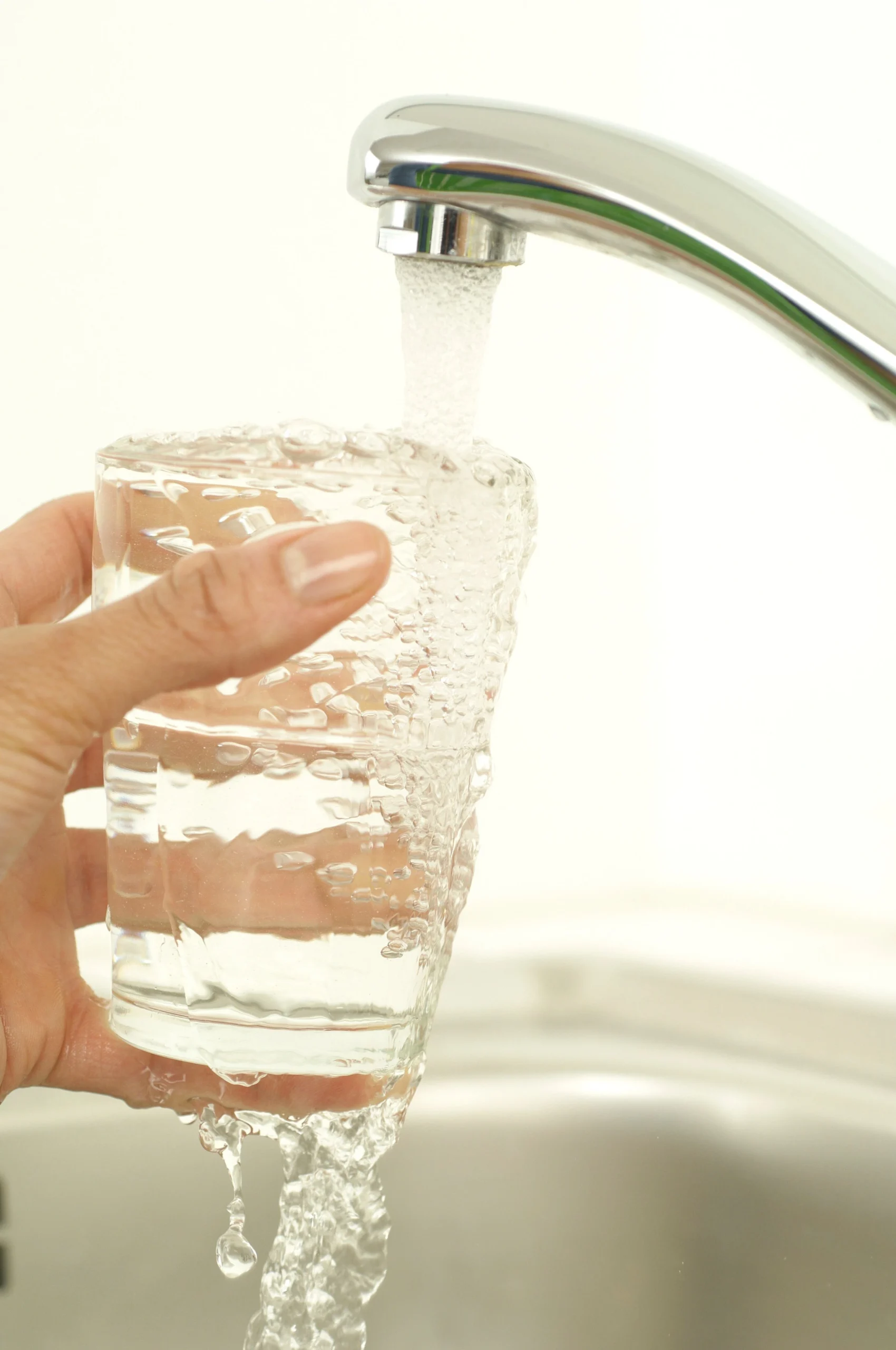
Reverse osmosis systems can remove a wide range of contaminants, including dissolved salts, heavy metals, and many chemical compounds that simpler filters miss. This makes it one of the most comprehensive filtration methods available for home use. Look for systems tested against NSF/ANSI Standard 58, the recognised benchmark for reverse osmosis contaminant reduction.
Under-Sink vs. Whole-House Reverse Osmosis
Most residential reverse osmosis systems are installed under the kitchen sink, providing purified water at a dedicated tap. Whole-house reverse osmosis systems exist but are less common, since they’re larger, more expensive, and typically unnecessary if only drinking water needs this level of filtration. For whole-home filtration options, see our home water filtration systems guide.
Water Waste: A Consideration Worth Knowing
Reverse osmosis systems produce some wastewater as part of the filtration process, since contaminants need to be flushed away from the membrane. Modern systems have improved efficiency significantly compared with older models, but it’s still worth factoring into your decision.
Installation and Maintenance
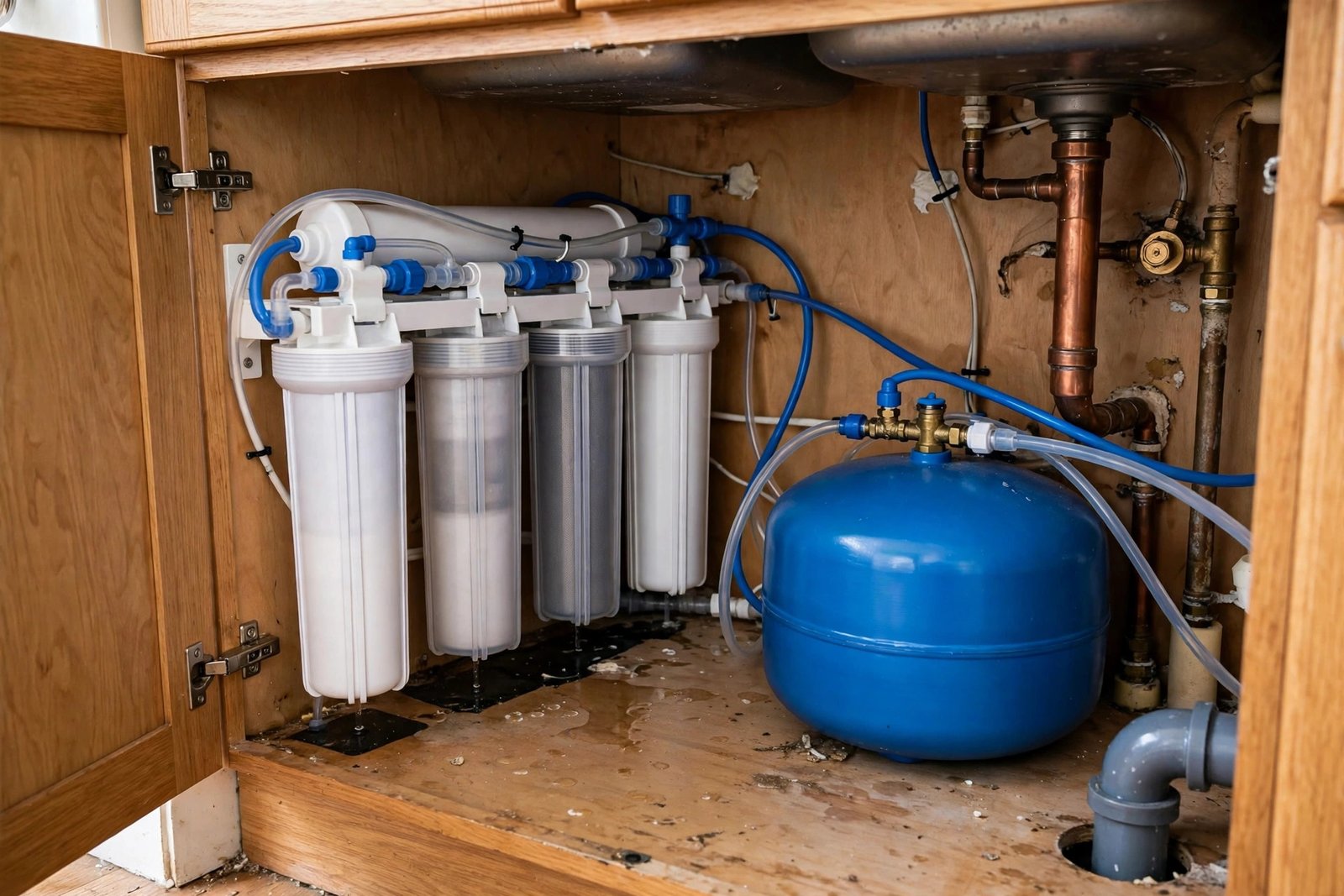
Installation usually requires a plumber to fit the system under the sink, along with a dedicated tap for filtered water, and the fitting should carry WRAS approval. Membranes typically need replacing every 2-3 years, while pre-filters require more frequent changes, often every 6-12 months.
Is Reverse Osmosis Worth It?
For households wanting the highest level of drinking water purification, reverse osmosis is hard to beat. However, if your main concern is limescale rather than water purity, a water softener may be a more relevant solution for your needs.
Reverse Osmosis vs. Other Filtration Methods
Reverse osmosis sits at the thorough end of the filtration spectrum. Carbon filters improve taste and remove chlorine but leave dissolved minerals and many contaminants. UV purification kills microorganisms but removes nothing chemical. Water softeners tackle hardness, not purity. RO is the only common home method that removes the broadest range — dissolved salts, heavy metals, fluoride, nitrates and microplastics — which is why it is often paired with a pre-filter and sometimes a softener rather than replacing them. Choose based on what your water actually contains, not on maximum filtration for its own sake.
Remineralisation: Should You Add Minerals Back?
RO water is nearly pure, which raises the question of remineralisation. Some argue demineralised water tastes flat and lacks beneficial minerals; others note diet provides minerals far beyond what water contributes. Many modern RO systems include an alkaline remineralisation stage that adds calcium and magnesium back and nudges pH upward — a reasonable middle ground. If you dislike the taste of pure RO water, a remineralisation cartridge (around £20–£40, replaced yearly) is a cheap fix worth trying.
How Much Water Does RO Really Waste?
Traditional RO systems reject 3 to 4 litres for every litre purified — the oft-cited downside. Modern high-efficiency membranes cut this to around 1:1, and permeate pumps (non-electric, around £40) improve both efficiency and tank fill speed on existing systems. The waste water is just slightly concentrated tap water — fine for plants or cleaning — and some households route it to a butt for garden use. For a drinking-water-only system, the absolute waste is modest: a family drinking 10 litres a day wastes 10–40 litres, less than one toilet flush per person.
RO System Costs: Purchase, Install, Maintain
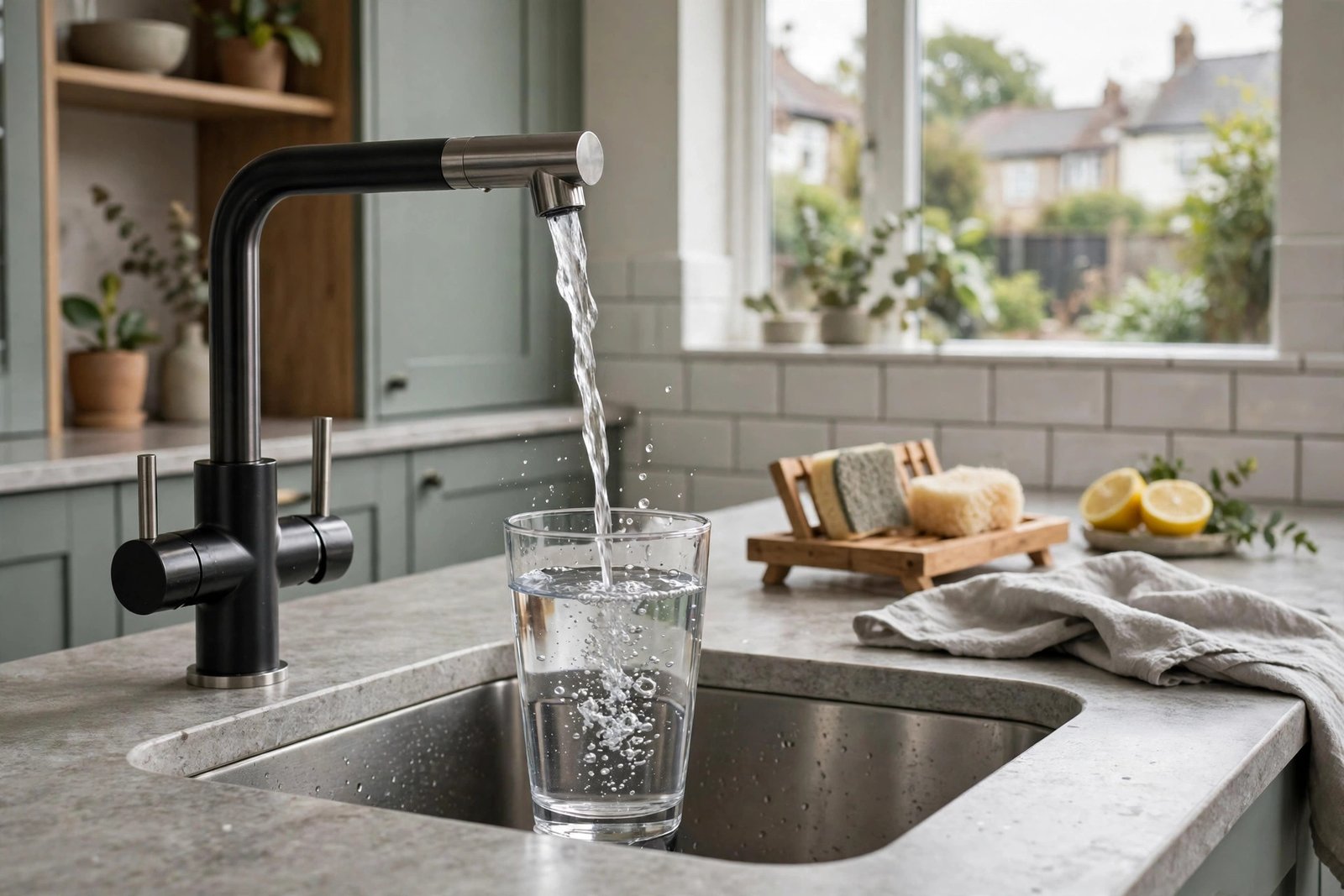
An under-sink RO unit costs £150 to £400, plus £100–£200 for professional installation (confident DIYers manage it in an afternoon). Annual filter and membrane costs run £60 to £120 — pre-filters yearly, the RO membrane every 2 to 3 years. Whole-house RO is a different league at £3,000+, rarely justified for residential use. Against bottled water at 50p+ a litre, an under-sink system typically pays for itself within a year for a family of four.
Who Should Avoid Reverse Osmosis?
RO is not for everyone. If your mains water already tastes good and meets standards, a simple carbon filter gives most of the benefit for a tenth of the cost. Homes on water meters with very high usage should weigh the waste ratio. And if you love your local tap water’s character — some spring-fed supplies are genuinely excellent — stripping it to near-purity is pointless. Test your water first (cheap TDS meters and lab kits abound); treat the problem you actually have. For broader options, see our whole-home water filtration guide.
Frequently Asked Questions
Does reverse osmosis remove all minerals from water?
Yes, largely. This includes beneficial minerals as well as contaminants, which is why some systems include a remineralisation stage afterward.
How long do reverse osmosis membranes last?
Most membranes last around 2-3 years, though this depends on water quality and usage levels in your household.
Is reverse osmosis water safe to drink every day?
Yes, reverse osmosis water is safe for daily drinking, and many households use it as their primary source of drinking water.
Is reverse osmosis water safe to drink?
Yes — RO water is among the purest available, removing dissolved contaminants effectively. Some people add a remineralisation stage for taste, but plain RO water is perfectly safe.
How much water does a reverse osmosis system waste?
Older systems waste 3–4 litres per litre purified; modern high-efficiency membranes achieve around 1:1. Permeate pumps further improve efficiency on existing systems.
Do I need a water softener with reverse osmosis?
Not necessarily, but very hard water shortens RO membrane life, so a softener or scale inhibitor upstream is wise in hard-water areas. The two systems solve different problems.
Related Home Purification Guides
- Water Filters for Home: The Complete Buying Guide
- Home Water Filtration Systems Explained
- Do You Need a Water Softener for Your Home?
- Air Purifiers for the Home: What to Look For