
 by
Positive Input Ventilation (PIV) is marketed as the whole-house answer to condensation — and the marketing mostly comes from companies selling the units. This is the independent version: what PIV actually does, where it shines, what it costs, and the drawbacks the brochures gloss over.
What Is PIV?
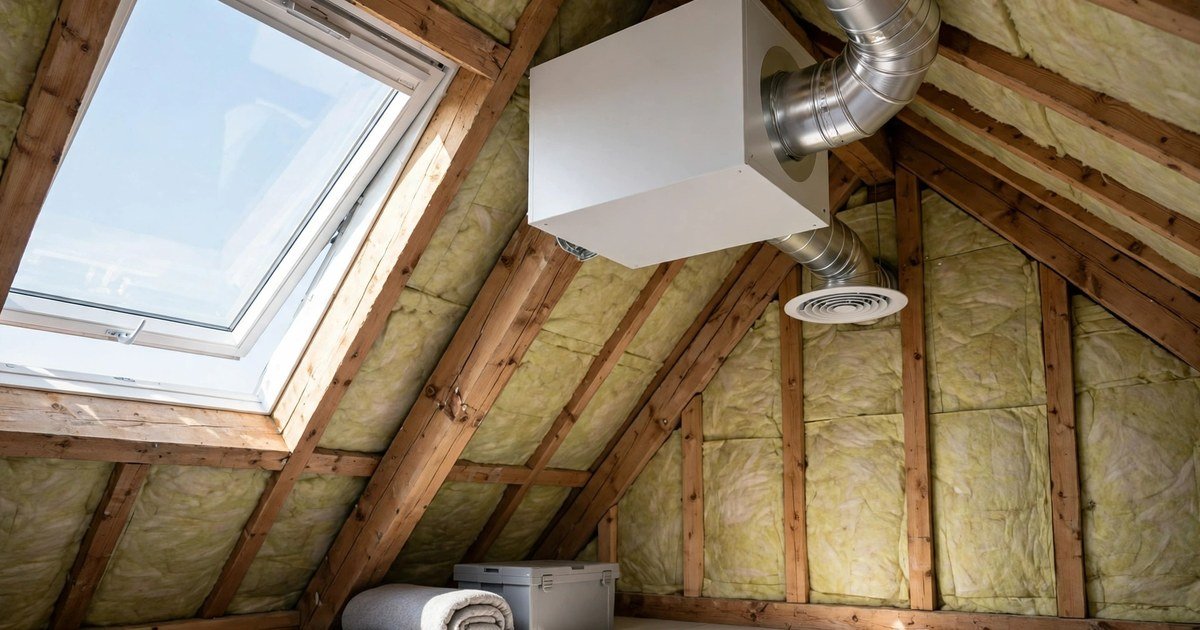
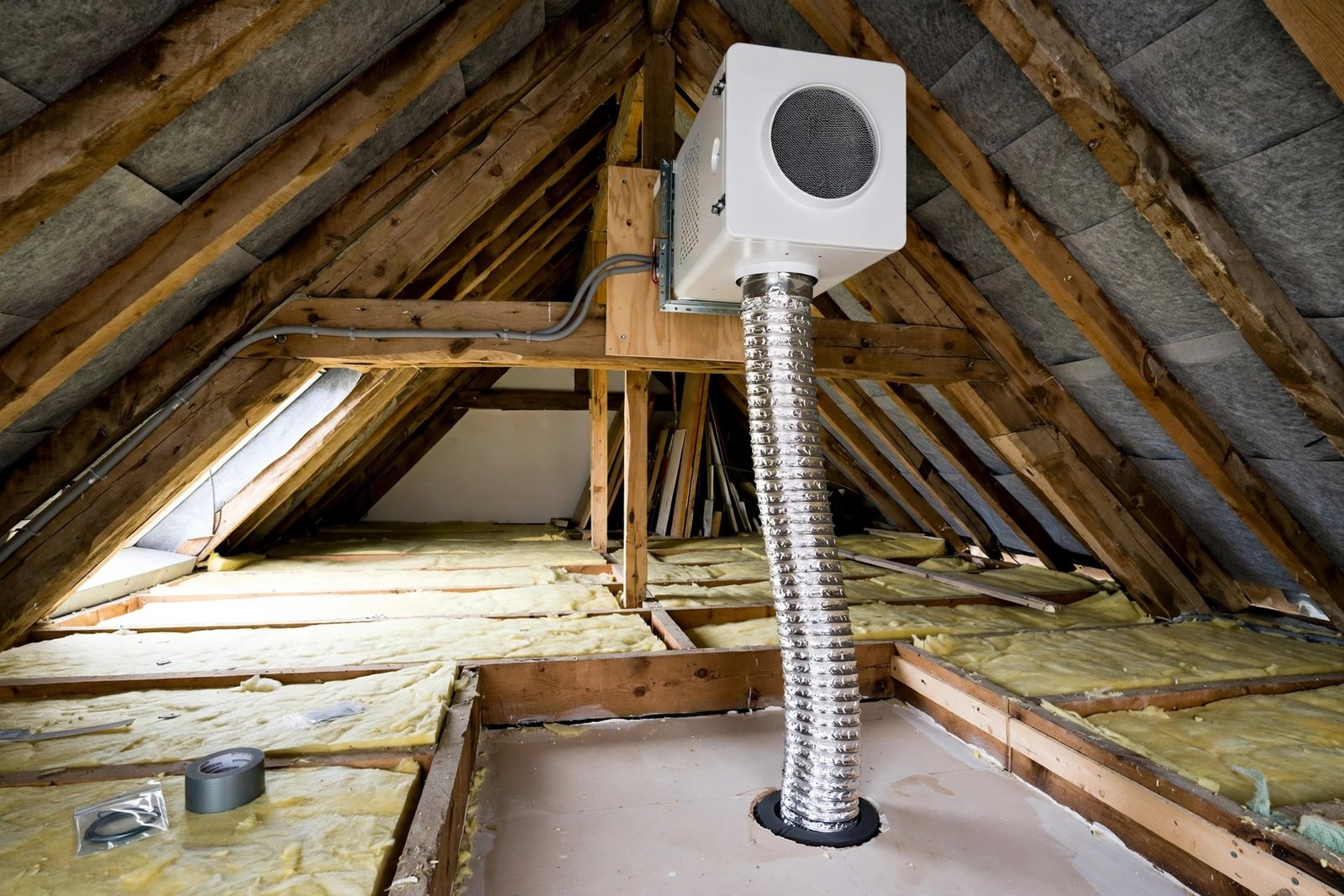
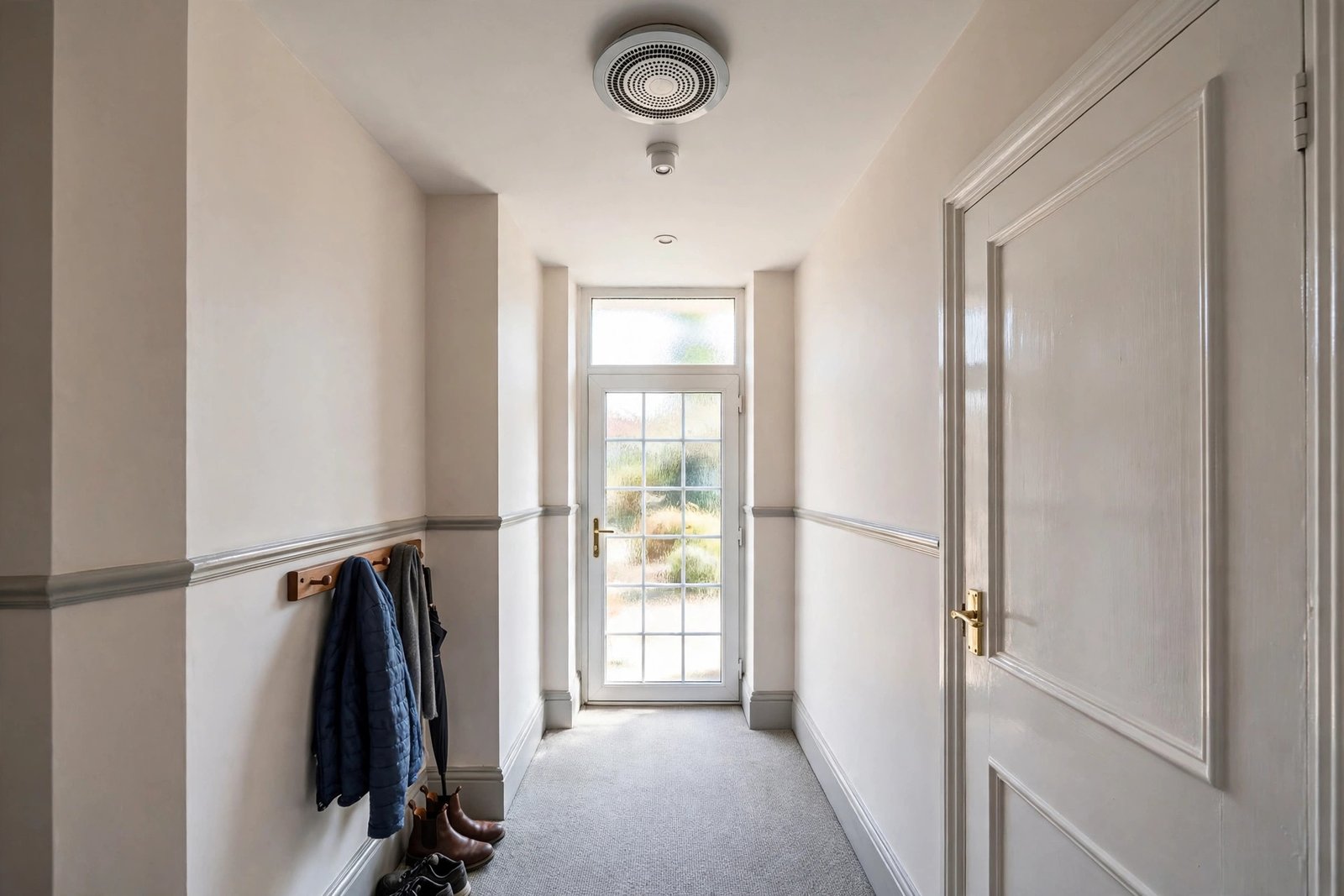
A PIV unit — usually mounted in the loft — continuously pushes filtered fresh air into the home (typically onto the landing), gently pressurising the property. Stale, moist air is forced out through natural leakage points. It runs 24/7 at low power. The principle is simple: dilute indoor humidity before it can condense.
The Pros
- Very effective against condensation: for whole-house condensation and surface mould driven by lifestyle moisture, PIV is one of the most effective single interventions available. This is well evidenced.
- Whole-house coverage: unlike a dehumidifier that serves one room, PIV treats the entire property continuously.
- Low running cost: typically a few pence per day in electricity — far cheaper than running dehumidifiers in multiple rooms.
- Low maintenance: filter changes every few years; otherwise fit-and-forget.
- Air quality: filtered incoming air reduces pollen and some pollutants — a genuine side benefit for allergy sufferers.
The Cons (What Sellers Downplay)
- Upfront cost: units plus professional installation typically run several hundred pounds — a real investment versus a £150 dehumidifier.
- Needs a loft: standard units mount in the loft space; flats and loft conversions need wall-mounted variants, which cost more.
- Can feel draughty: some occupants notice cool air movement, particularly on landings in winter — heated models exist but cost more to buy and run.
- Does not fix leaks or structural damp: PIV manages airborne moisture; it does nothing for penetrating damp, rising damp or plumbing leaks. Diagnose first — see what causes damp on internal walls.
- Noise: usually quiet, but cheap or poorly installed units can hum — check noise ratings and reviews.
- Ongoing filter costs: modest, but real.
PIV vs the Alternatives
For localised problems (one bathroom, one bedroom), an extractor fan or dehumidifier is cheaper and sufficient — see our comparison. PIV earns its keep when condensation is whole-house and persistent despite good habits: streaming windows in multiple rooms, recurring bedroom mould, musty whole-house smells. It is a whole-house solution to a whole-house problem.
Frequently Asked Questions
Does PIV really stop condensation?
For condensation driven by lifestyle moisture — yes, it is one of the most effective interventions. It will not fix leaks or structural damp.
How much does PIV cost in the UK?
Typically a few hundred pounds for the unit plus professional installation. Running costs are low — pennies per day.
Is PIV noisy?
Quality units are very quiet; check the dB rating. Poor installation causes most noise complaints.
Can I install PIV myself?
The unit mounting is straightforward but it needs mains electrical connection — use a qualified electrician. Most suppliers recommend professional installation for warranty.
PIV vs dehumidifier — which is better?
Whole-house persistent condensation: PIV. Single-room problems: dehumidifier. See our detailed comparison.

The Bottom Line
PIV is genuinely effective for whole-house condensation — just make sure your problem is condensation (not leaks or structural damp) before investing. For the full picture, see our complete damp, condensation and mould guide.