
 by
by Installing home air conditioning in the UK involves a few rules and considerations that don’t always apply elsewhere. This guide covers what UK homeowners specifically need to know before installing a system.
Do You Need Planning Permission?
In most cases, installing a split air conditioning system counts as permitted development and doesn’t need planning permission. However, listed buildings, conservation areas, and flats often have additional restrictions, so it’s worth checking with your local authority before installation.
F-Gas Regulations
UK and EU F-Gas regulations govern the refrigerants used in air conditioning systems, since some older refrigerants have a high environmental impact. Installers must be F-Gas certified to legally handle and install systems using regulated refrigerants, so always check an installer’s certification before hiring them.
Choosing a Qualified Installer
Look for installers registered with a recognised competent person scheme, which allows them to self-certify compliance with building regulations. This avoids the need for a separate council inspection and gives confidence the work meets UK standards.
Best Practice for UK Homes
Many UK homes weren’t originally designed with air conditioning in mind, so positioning the outdoor unit matters more here than in newer-build properties elsewhere. Outdoor units should be placed with enough clearance for airflow, away from bedroom windows where noise could be disruptive, and ideally shielded from direct summer sun to improve efficiency. For a full comparison of system types suited to UK properties, see our home air conditioning buying guide.
Energy Costs in the UK Context
UK electricity prices mean running costs are worth factoring into your decision, particularly for systems used regularly through summer. Our running cost guide breaks down what to expect based on system type and usage patterns.
Insurance Considerations
Adding a permanent air conditioning system can affect your home insurance, so it’s worth informing your insurer once installation is complete. This is particularly relevant for the outdoor unit, which some policies treat similarly to other permanent home fixtures.
Building Regulations and Air Conditioning
Beyond planning permission, Building Regulations Part L covers energy efficiency for fixed cooling installations, and Part P applies to the electrical work — your installer should self-certify through a competent person scheme. Listed buildings need listed building consent for any external unit, and conservation areas may restrict visible outdoor equipment. The paperwork sounds daunting, but a reputable installer handles compliance as standard; be wary of anyone who waves it away.
Leasehold Flats: Getting Permission
Leaseholders face an extra layer: most leases require freeholder or management company consent for external alterations, and an outdoor condenser unit counts. Apply in writing before booking installation, and expect conditions about positioning, noise and maintenance access. Some leases prohibit external units outright — in which case a portable or a water-cooled unit (no outdoor component) may be your only option. Factor the permission timeline into your plans; freeholders are rarely speedy.
Noise Regulations: What the Law Says
Outdoor units must comply with permitted development noise limits — generally 42 decibels measured at the nearest neighbour’s window. Modern inverter units typically run at 45 to 55 decibels at one metre, which usually complies once distance and barriers are factored in. Position the unit away from neighbouring bedrooms where possible, and never on a party wall without careful acoustic consideration. Persistent noise complaints can lead to council enforcement, so placement is worth getting right first time.
Warranties and Aftercare: What to Expect
A proper installation should include a manufacturer’s warranty of 5 years or more on the equipment plus at least a year on workmanship — longer from premium installers. Register the warranty promptly; some manufacturers require registration within 30 days. Ask what aftercare looks like: do they offer annual servicing plans, and what are typical callout charges? Keep all certificates — F-Gas documentation, electrical certificates, warranty paperwork — together, ideally digitally, since you will need them when selling.
Selling Your Home: Does Air Conditioning Add Value?
In the UK market, air conditioning is still a nice-to-have rather than a value driver — unlike a new kitchen, it rarely adds more than a fraction of its cost to the sale price. Its real value is saleability: during heatwaves, a cooled home photographs better, views more comfortably and can stand out against stuffy competitors. If you are installing partly with resale in mind, choose a reputable brand with transferable warranty and keep every certificate — buyers’ solicitors will ask. To compare system types before committing, see our home air conditioning unit guide.
In rental properties, air conditioning can justify slightly higher rents during summer months, though landlords should weigh the installation cost against the relatively short UK cooling season before committing.
Frequently Asked Questions
Do I need planning permission for air conditioning in the UK?
Usually not for a standard split system, though listed buildings, conservation areas, and flats may have additional restrictions worth checking first.
What is F-Gas certification, and why does it matter?
It’s a legal requirement for installers handling certain refrigerants. Always confirm an installer holds this certification before hiring them.
Should I tell my insurer about a new air conditioning system?
Yes, informing your insurer after installation helps ensure the system, and any related damage, is properly covered under your policy.
Do I need planning permission for air conditioning in the UK?
Usually not — a single outdoor unit typically falls under permitted development. Listed buildings, conservation areas and some new-build estates with restrictive covenants are the main exceptions.
Who can legally install air conditioning in the UK?
Anyone handling refrigerant must hold F-Gas certification — it is illegal otherwise. Electrical work must comply with Part P, usually via a registered competent person.
Does air conditioning affect home insurance?
Standard policies generally cover installed systems as fixtures, but tell your insurer about the installation. Portable units need no disclosure, though high-value ones are worth listing as contents.
Related Home Air Conditioning Guides
- Home Air Conditioning: The Complete Buying Guide
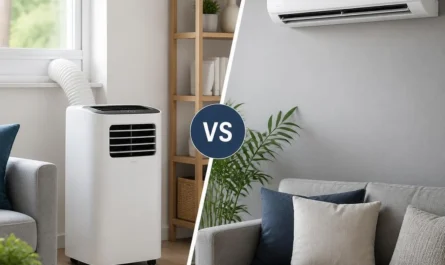
- Portable vs Split Air Conditioners for the Home
- How Much Does It Cost to Run a Home Air Conditioning Unit?
- Home Aircon Maintenance: Keeping Your Unit Running Efficiently