 by
by With energy prices remaining a concern for many UK households, knowing how to heat a house for cheap can make a real difference to your bills. This guide covers practical, low-cost ways to keep your home warm without overhauling your entire heating system.
Start With Your Thermostat
Turning your thermostat down by just one degree can noticeably reduce heating costs over a full winter, according to guidance from the Energy Saving Trust. Using a programmer to heat your home only when needed, rather than constantly, adds further savings without sacrificing comfort.
Stop Heat Escaping First
- Draught-proof windows and doors with simple, inexpensive strips
- Use thermal curtains or thicker curtains to reduce heat loss through windows
- Check and top up loft insulation, since heat rises and escapes easily through an under-insulated roof
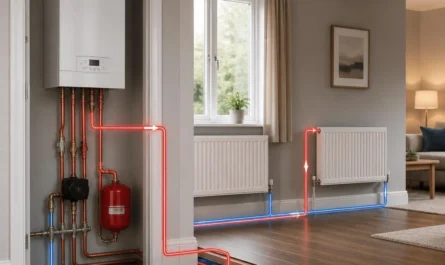
- Bleed radiators regularly so they heat evenly and efficiently
Use Heating Zones Wisely
Closing doors to unused rooms, and turning down radiators in spaces you’re not using, focuses heat where it’s actually needed rather than warming the whole house evenly. Thermostatic radiator valves (TRVs) make this easy to manage room by room.
Layer Up Before Turning Up the Heat
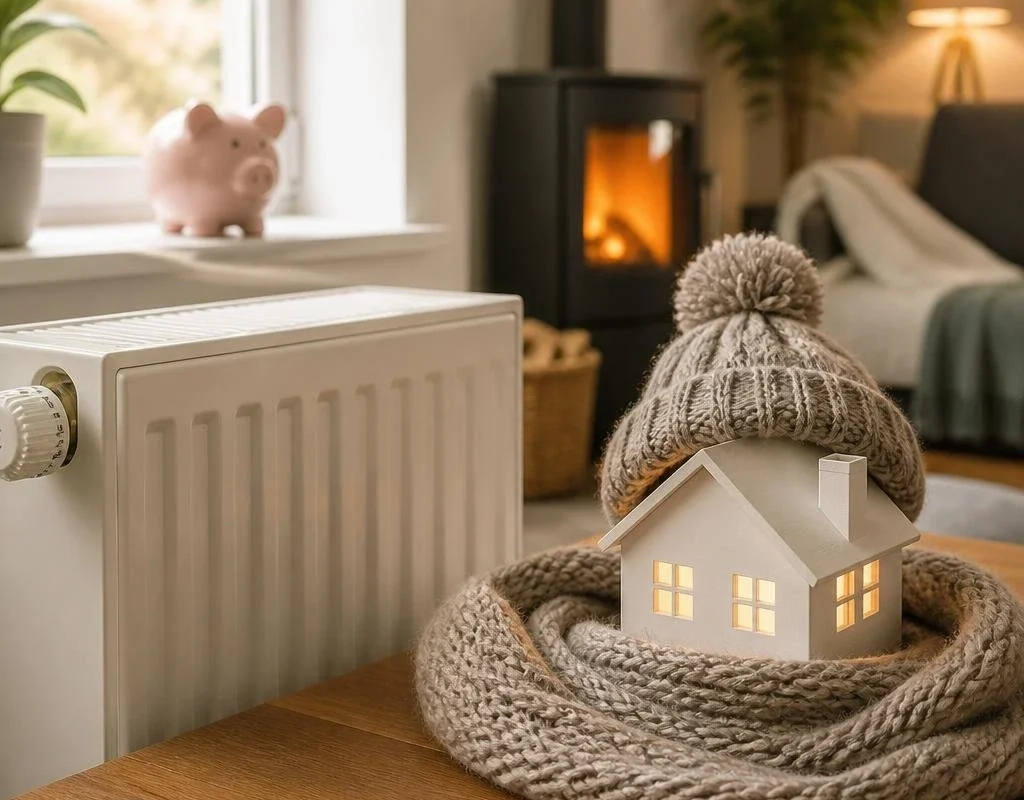
Simple as it sounds, wearing warmer layers and using throws or blankets in the evening reduces how much you need to rely on the heating system, particularly during milder autumn and spring evenings.
Keep Your System Well Maintained
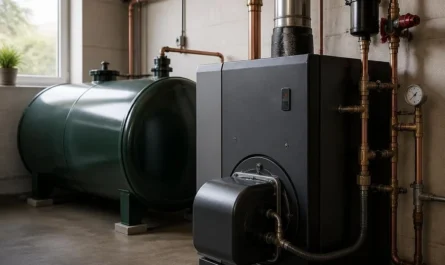
A poorly maintained boiler works harder than necessary, using more fuel for the same output. Annual servicing, whether by a Gas Safe registered engineer for gas systems or an OFTEC-registered engineer for oil central heating, keeps efficiency up over time.
Consider Smart Heating Controls
Smart thermostats and zone controls can reduce waste by learning your routine and heating only when and where needed. Our smart boilers guide looks at whether this kind of upgrade is worth the investment.
Check for Available Support
Various UK government schemes offer support with insulation or heating upgrades for eligible households. It’s worth checking current eligibility via GOV.UK, since support changes periodically.
The Cheapest Heating Fuels Compared
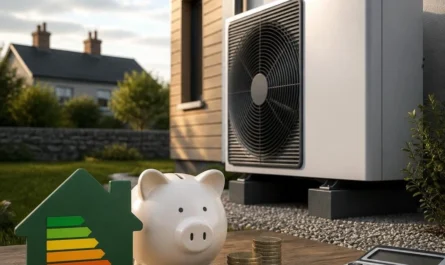
Not all heat costs the same. As a rough UK guide, mains gas remains the cheapest per unit of heat for most homes on the gas grid, followed by heat pumps (which multiply each unit of electricity threefold or more). Oil and LPG fluctuate with global prices and suit off-grid homes, while direct electric heating — fan heaters, electric radiators — is by far the priciest per unit of warmth. That ranking flips if you only need one room warm for an hour: a cheap electric heater beats firing up the whole gas boiler. Match the fuel to the job, not just the headline price.
Heating One Room vs. the Whole House
Heating empty rooms is the fastest way to waste money. If you spend evenings in one room, zone heating — thermostatic radiator valves turned down elsewhere, doors kept closed — can cut bills noticeably. Smart thermostatic valves (around £30–£50 each) automate this room by room. The maths changes in very draughty or poorly insulated homes, where the boiler works so hard reheating cold rooms that steady whole-house heating can win — insulation quality decides which strategy pays.
Free and Nearly-Free Warmth Hacks
Some of the best savings cost nothing. Close curtains at dusk — windows are the biggest heat leak in most homes — and open them on sunny winter mornings for free solar gain. Draught-proofing with self-adhesive strips costs under £20 and pays back within weeks. Rugs on bare floors, hot water bottles, and simply wearing an extra layer each effectively raise your comfort by a degree or two without touching the thermostat. Bleeding radiators costs nothing and restores full output to lukewarm ones.
When Cheap Heating Becomes False Economy
Cutting heat too far backfires. Homes kept below about 15°C for long periods risk condensation, damp and mould — and mould remediation costs far more than the heating saved. Never switch heating off entirely in winter if pipes could freeze; the resulting burst pipe dwarfs any saving. Portable unflued gas or paraffin heaters seem cheap but pump moisture into the air and carry carbon monoxide risks — factor in proper ventilation and a CO alarm, or avoid them altogether.
Tracking Your Usage: Finding the Waste
You cannot cut what you cannot see. A smart meter’s in-home display shows real-time usage — watch it spike when the heating kicks in and you will quickly learn your home’s expensive habits. Many energy suppliers now show half-hourly usage in their apps; compare a cold week against a mild one to see exactly what heating costs you. Some households find a simple plug-in energy monitor on their most-used heater eye-opening enough to change behaviour permanently. For bigger system upgrades, our heat pump running costs guide breaks down whether switching pays.
Frequently Asked Questions
Does turning the thermostat down really save much money?
Yes, even a small reduction of one degree can lead to a noticeable saving over a full heating season.
Is it cheaper to leave heating on low all day?
For most well-insulated homes, heating only when needed tends to cost less than leaving the system running continuously at a low setting.
What’s the cheapest quick fix for a cold home?
Draught-proofing windows and doors is usually the most cost-effective, fastest improvement most households can make.
What is the cheapest way to heat a house in the UK?
For most grid-connected homes, a modern gas boiler with zoned heating and good insulation remains cheapest overall. For single rooms used briefly, a small electric heater can be cheaper than heating the whole house.
Is it cheaper to leave heating on low all day?
Usually not in reasonably insulated homes — heating on demand with a timer and thermostat costs less than maintaining temperature all day. Very draughty homes are the exception, where reheating from cold wastes more.
What temperature should I set my thermostat to save money?
Around 18 to 19°C suits most households; each degree lower saves roughly 10% on heating bills. Bedrooms can run cooler at 16 to 18°C, while homes with elderly or very young occupants may need 20 to 21°C.