 by
by Oil central heating remains a common choice for UK homes that aren’t connected to the mains gas network. This guide covers how it works, what installation involves, and what to expect in terms of running costs and maintenance.
Why Homes Use Oil Central Heating
Around 1.5 million UK homes rely on oil heating, mostly in rural areas without a mains gas connection. Oil boilers heat water for both central heating and hot water, working in a similar way to a gas system, but drawing fuel from an on-site storage tank instead of a pipeline. For a broader explanation of how central heating works generally, see our central heating explained guide.
How an Oil Heating System Works
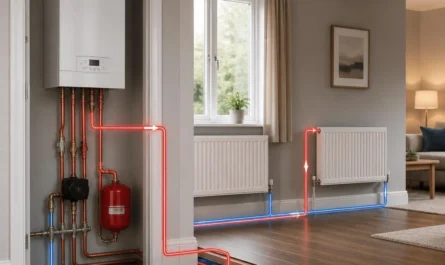
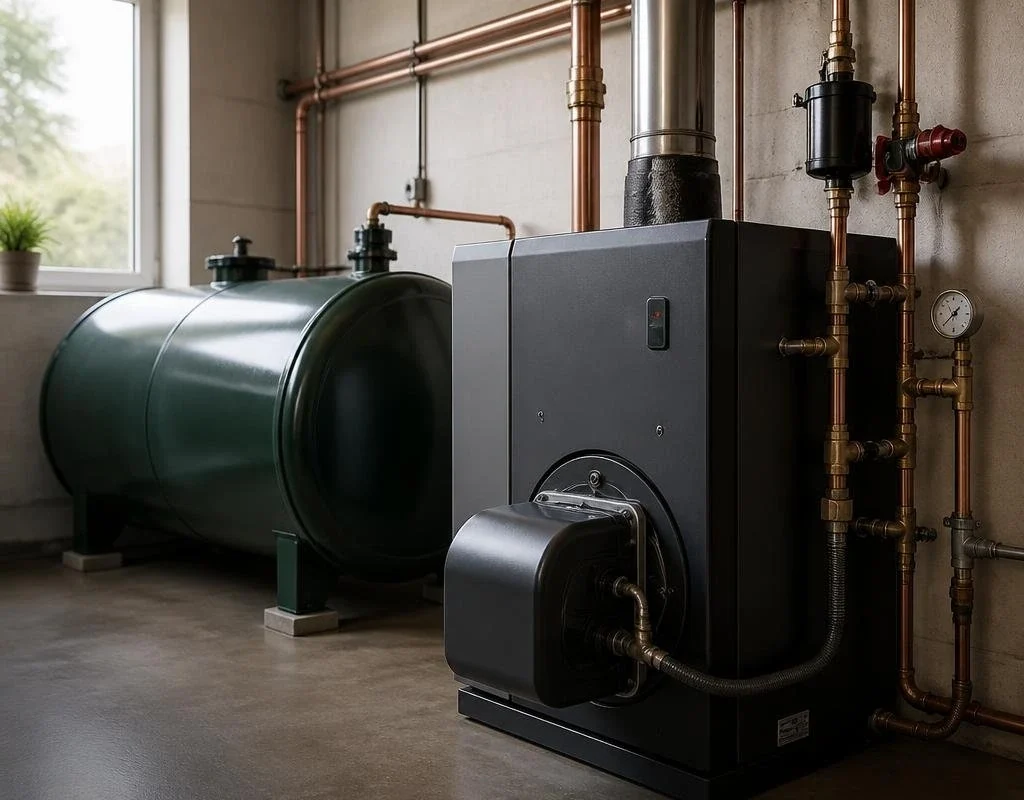
Oil is stored in a tank outside the property and fed to the boiler, where it’s burned to heat water. That water circulates through radiators and, where applicable, provides hot water via a cylinder. Modern oil boilers are condensing models, which recover extra heat from exhaust gases for improved efficiency.
Installation and Certification
Oil heating installation and servicing in the UK must be carried out by an engineer registered with OFTEC, the recognised body for oil-fired heating standards, in the same way gas work requires a Gas Safe registered engineer. Installations should also meet British Standard BS 5410 for oil firing appliances.
Oil Tank Considerations
- Tanks need enough outdoor space, with clearance from boundaries and buildings as set out in building regulations
- Bunded tanks include a secondary containment layer, reducing environmental risk if the tank leaks
- Tank size affects how often you need to reorder fuel, with larger tanks reducing delivery frequency
Running Costs and Efficiency
Oil prices fluctuate more than gas, so costs can vary noticeably between deliveries. Buying in bulk, or as part of a local oil buying group, can help reduce costs. A well-maintained, high-efficiency condensing boiler makes a meaningful difference to how far each tank of oil goes.
Maintenance Requirements
Annual servicing by an OFTEC-registered engineer keeps the system running safely and efficiently, and is often a requirement of home insurance policies. Between services, keep the area around the tank and boiler clear, and check for any signs of oil leaks or staining.
Oil Heating vs. Other Options
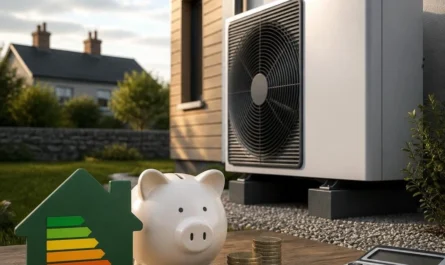
Heat pumps are increasingly considered as an alternative to oil heating, particularly for off-grid properties. Our heat pump running costs guide covers how the two compare financially. For a lower-cost way to manage bills in the meantime, see our guide to heating a house for cheap.
Oil Prices: How to Buy Smart
Heating oil prices swing with global markets, but smart buying smooths the ride. Fill up in summer when demand — and usually prices — are lowest; topping up a quarter-full tank in December is the expensive way. Oil buying groups (common in rural areas) pool orders for bulk discounts of 2–5p per litre. Always compare at least three suppliers — prices for the same postcode can differ by 5p+ per litre on the same day. And never let the tank run dry: emergency deliveries carry premium charges.
Oil Tank Security: Preventing Theft
Rural oil theft is a genuine UK problem, with a full 1,000-litre tank worth £600+ at current prices. Position the tank out of sight from the road where possible, and consider a lockable tank — purpose-built secure tanks cost more but deter opportunists. Electronic tank gauges with phone alerts flag sudden drops, and simple security lighting plus gravel (noisy underfoot) around the tank area helps. Check your home insurance covers oil theft; many policies do, but limits vary.
The Future of Oil Heating: HVO and Phase-Outs
The UK government plans to phase out new fossil-fuel heating installations, with oil boilers in the frame — though existing systems can continue running. The industry’s answer is HVO (hydrotreated vegetable oil), a drop-in renewable fuel working in many existing oil boilers with minor adjustments. HVO currently costs more than kerosene, but prices are falling. If your boiler is ageing, ask your engineer about HVO compatibility — future-proofing now beats a forced expensive switch later.
Condensing Oil Boilers: Worth Upgrading?
If your oil boiler predates 2007, it is probably non-condensing and wasting 15–20% of its fuel. A modern condensing oil boiler (90%+ efficient) costs £2,500–£4,500 fitted and typically pays back in 5–8 years through fuel savings. Beyond efficiency, new boilers are quieter, more reliable and compatible with smart controls. Get the system powerflushed at the same time — sludge from the old boiler will otherwise strangle the new one’s efficiency within a couple of years.
What Happens If You Run Out of Oil?
It happens to most oil users once. First, do not just refill and restart — running dry pulls sludge and air into the fuel line, and the boiler will lock out. You will likely need an engineer to bleed the system (£80–£150 callout). Prevention beats cure: a £50–£100 electronic gauge with low-level alerts pays for itself the first winter. Set a reorder point at a quarter tank, not empty — deliveries take days in cold snaps when everyone orders at once. For cutting heating costs generally, see our cheap heating guide.
Frequently Asked Questions
Is oil central heating being phased out in the UK?
There are proposals to phase out oil boiler installations in future years as part of wider decarbonisation plans, though existing systems can continue to be serviced and used.
How often should an oil boiler be serviced?
Annually, by an OFTEC-registered engineer, both for safety and to maintain efficiency and any relevant insurance or warranty requirements.
Is oil heating cheaper than gas?
It varies with market prices for both fuels, though oil is often the only practical option for homes without a mains gas connection.
How much does oil central heating cost per year in the UK?
A typical 3-bed off-grid home uses 1,500–2,000 litres yearly — roughly £900–£1,400 at recent prices. Buying in summer and through buying groups trims this noticeably.
Is oil heating being phased out in the UK?
New fossil-fuel boiler installations face phase-out, but existing oil systems can keep running. HVO renewable fuel offers a drop-in lower-carbon future for current oil boilers.
How often should an oil boiler be serviced?
Annually, ideally in late summer before heating season. Oil boilers soot up faster than gas ones, so skipping services hits efficiency and reliability hard.
Related Home Heating Guides
- How Does Central Heating Work?
- How to Heat a House for Cheap (UK)
- Heat Pump Running Costs in the UK
- Smart Boilers: Are They Worth It?