 by
by Paperwork, cables, and office supplies pile up quickly without proper storage. Home office storage cabinets keep your workspace organised and looking professional, without needing a full room redesign.
Why a Dedicated Cabinet Beats Loose Storage
A filing tray or loose pile of folders quickly becomes overwhelming. A proper storage cabinet gives paperwork, stationery, and equipment a defined home, which makes staying organised far easier day to day. For broader home office planning, see our home office ideas guide.
Types of Home Office Storage Cabinets
- Filing cabinets – dedicated drawers sized for hanging files and paperwork
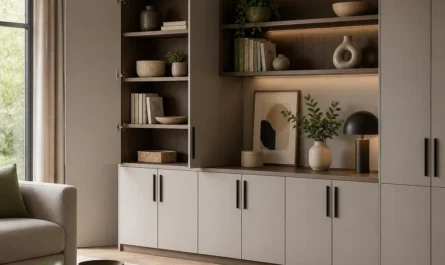
- Bookcases with cabinet bases – combine open shelving with closed lower storage
- Credenzas – low, wide units offering both storage and additional desk-adjacent surface space
- Mobile storage units – smaller units on castors that tuck under a desk when not needed
Choosing Based on Your Storage Needs
If paperwork is your main concern, prioritise proper filing drawers. If you need a mix of display and hidden storage, a bookcase-cabinet combination often works better than a single-purpose filing unit.
Cabinets for Small Home Offices
In tighter spaces, a mobile storage unit that fits under a desk makes efficient use of otherwise wasted space. Our small home office ideas guide covers more space-saving furniture choices for compact setups.
Keeping Cable Clutter Under Control
Many home office cabinets now include built-in cable management features, such as rear grommet holes, which help keep chargers and cords tidy rather than tangled behind the desk.
Matching Storage to Your Home Office Design
A cabinet doesn’t need to look purely functional. Choosing a finish that complements your desk and overall room design, covered in our home office design guide, helps the storage feel like part of the room rather than an afterthought.
Cabinet Materials Compared: Wood, Metal and MDF
The material determines durability, appearance and price. Solid wood looks superb and lasts decades but costs the most and is heavy to move. Metal filing cabinets are the workhorses — tough, lockable and relatively cheap — though plain ones can look industrial in a styled home office. MDF with veneer or laminate hits the middle ground: affordable, available in countless finishes, and perfectly adequate for everyday use, though it chips more easily and dislikes damp. For a home office that doubles as a guest room, wood or quality veneer blends in far better than bare metal.
Lockable Cabinets: When Document Security Matters
If you handle contracts, financial records or client data at home, a lockable cabinet is less a luxury than a responsibility — UK data protection rules still apply to personal data you process for work. Look for cabinets with proper cylinder locks rather than flimsy cam locks, and check whether replacement keys are available. Fire-resistant filing cabinets add another layer of protection for irreplaceable documents. Even without sensitive paperwork, a lockable drawer is handy for passports, spare keys and anything you would rather visitors not stumble across.
Measuring Up: Getting the Size Right First Time
Measure twice, buy once. Note the cabinet’s full footprint including door swing — a cupboard whose doors cannot fully open is instantly frustrating. Allow clearance for drawers to extend completely, and check the route from your front door: narrow hallways and tight staircases have defeated many flat-pack deliveries. For filing, standard A4 suspension files need around 35cm of internal depth. If you are still unsure how much storage you need, our home office design guide covers planning the whole workspace around your storage.
Second-Hand and Upcycled Office Cabinets
Office clearances, auction sites and charity furniture shops are full of solid, well-made cabinets at a fraction of retail price — businesses regularly offload quality steel filing cabinets for £20 or less. A coat of furniture paint transforms a drab grey cabinet completely; just sand lightly, prime for metal, and finish with two coats. Check drawers run smoothly and locks work before buying, and measure your car boot — assembled cabinets are bulkier than they look in photos.
Where to Position Your Cabinet for the Best Workflow
Placement affects how much you actually use the storage. Keep daily-use items — stationery, current files, chargers — within arm’s reach of your desk, ideally in a pedestal or low cabinet beside it. Archive material and rarely touched files can live further away, in a taller cupboard against a wall. Avoid blocking natural light or radiators, and leave enough floor clearance for your chair to move freely. In small rooms, a tall narrow cabinet usually beats a wide low one, using vertical space you would otherwise waste.
Frequently Asked Questions
Do I need a filing cabinet if I work mostly digitally?
Even digital-first households often accumulate some paperwork, so a smaller filing solution is usually still worth having.
What’s the best storage cabinet for a small home office?
A mobile unit that fits under the desk makes the most of limited space without needing a separate piece of furniture.
Should my office storage match my desk?
It helps for a cohesive look, though a contrasting piece can also work well if chosen deliberately as part of the room’s design.
What size filing cabinet do I need for a home office?
A two-drawer A4 filing cabinet suits most home offices, holding roughly a year or two of paperwork. If you are going paperless, a single lockable drawer for essentials is usually enough.
Are metal filing cabinets better than wooden ones?
Metal cabinets are tougher, cheaper and more secure, making them ideal for heavy paperwork. Wooden cabinets look better in styled living spaces but cost more and offer less security.
How should I organise files in a home office cabinet?
Use broad categories — household bills, warranties, tax records, work projects — with one folder per category, filed newest at the front. Purge annually; most household paperwork older than six years can be shredded.