 by
by A wardrobe storage system does far more than a basic hanging rail and shelf. This guide covers how to plan an internal layout that actually works for your clothes and belongings, whether you’re fitting a new wardrobe or upgrading an existing one.
Why Internal Layout Matters More Than Wardrobe Size
A large wardrobe with poor internal organisation often stores less usefully than a smaller one with a well-planned layout. Before buying or fitting a system, think about what you actually need to store, rather than assuming more space alone solves clutter.
Core Components of a Wardrobe Storage System
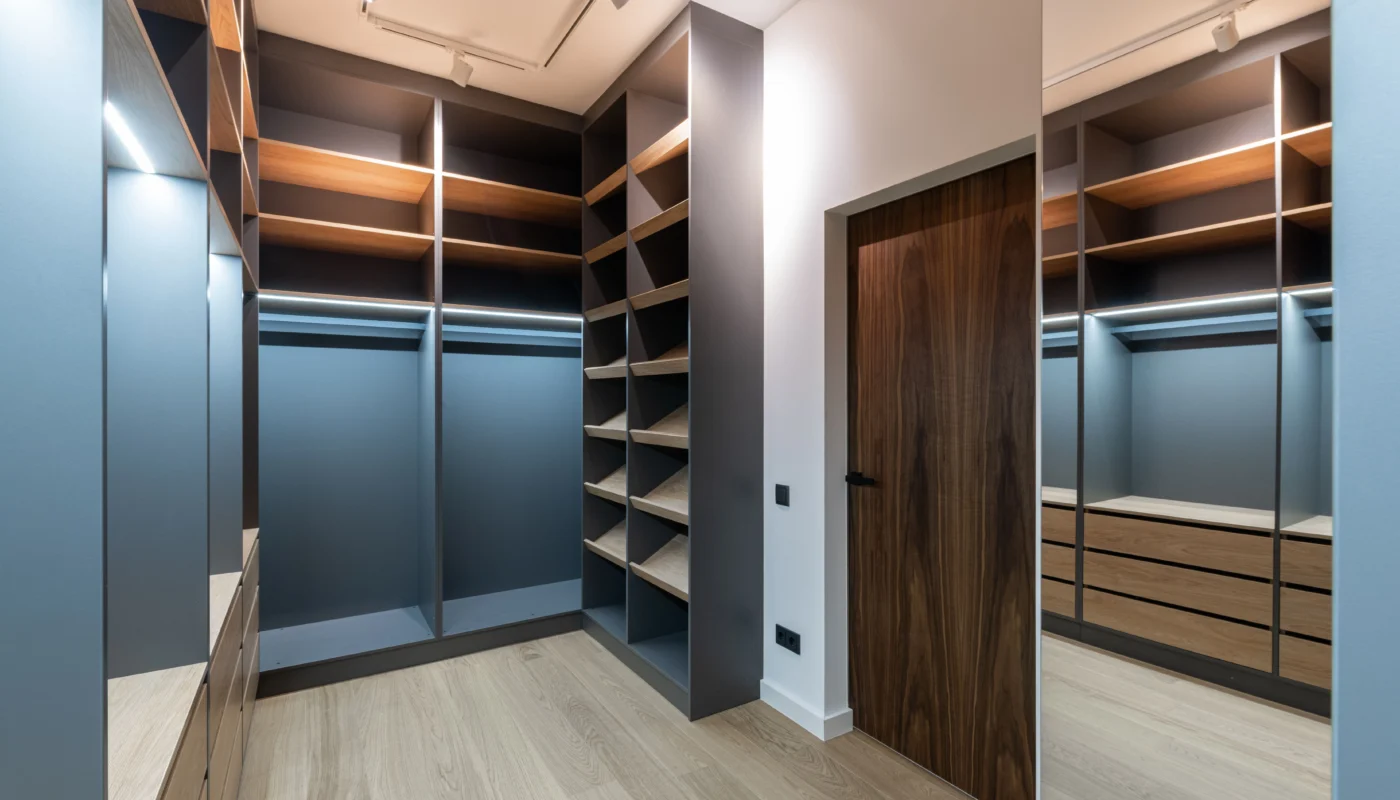
- Hanging rails – full-height for dresses and coats, double-height for shirts and folded trousers
- Shelving – for folded items, bags, or shoes
- Drawers – ideal for smaller items like underwear, socks, or accessories
- Shoe racks – angled or tiered racks make far better use of space than a flat shelf
Fitted vs. Modular Storage Systems
Fitted systems are custom-built to your exact space, offering the most efficient use of every inch, though at a higher cost. Modular systems use adjustable components within a standard wardrobe frame, offering flexibility to reconfigure as your needs change, usually at a lower cost than a fully bespoke fit.
Making the Most of a Small Wardrobe
In smaller wardrobes, double hanging rails, over-door organisers, and slim, stackable drawer units help maximise capacity without needing more floor space. Vertical space is often underused, so consider going higher with shelving where reach allows.
Organising by Category, Not Just Type
Rather than grouping purely by garment type, consider organising by how often you wear items, keeping seasonal or occasional pieces in less accessible areas. This keeps your everyday essentials easy to reach without digging through rarely worn clothes.
Accessories That Improve Any Wardrobe
- Slimline velvet hangers, which save space compared with bulkier wooden ones
- Clear storage boxes for out-of-season items, so contents remain visible
- Drawer dividers to keep smaller items from becoming a jumbled mess
Wardrobe Depths Explained: What Fits Where
Depth dictates what a wardrobe can actually hold. The standard 60cm depth fits hangers front-to-back with room to spare — anything shallower forces clothes to sit at an angle or use pull-out rails. A 40 to 45cm shallow wardrobe works for folded items, shoes and accessories but not full hanging. Before buying any system, measure your alcove’s true depth including skirting boards, which commonly steal 2 to 3cm. In older UK homes with chimney breasts and uneven walls, a slightly narrower unit that actually fits beats a perfect-on-paper one that does not.
Lighting Inside Wardrobes: Worth It?
Interior lighting transforms a dark wardrobe from a rummage box into something you can actually use. Battery LED strips with motion sensors cost under £15, fit in minutes and switch on when the door opens — ideal for rented homes or flat-pack wardrobes. For fitted systems, wired LED profiles recessed under shelves give a premium finish and can run off a single driver. Warm white (2700–3000K) flatters clothes far better than cool daylight tones, which make colours look harsh and unfamiliar.
Systems for Awkward Spaces: Sloping Ceilings and Alcoves
Loft bedrooms and Victorian alcoves defeat standard wardrobes, but specialist solutions exist. For sloping ceilings, look for systems with angled top rails or go fitted — off-the-shelf units leave dead triangular space. Alcoves beside chimney breasts suit narrow modular towers or a made-to-measure frame with doors. Pull-down hanging rails bring high rails within reach under eaves. Whatever the quirk, measure at several points: old houses are rarely straight, and a single measurement at the front can mislead badly.
How Much Do Wardrobe Storage Systems Cost?
Flat-pack modular systems from high-street retailers run £80 to £300 for a double wardrobe’s worth of interiors. Mid-range brands with better runners and finishes sit around £300 to £700. Fully fitted wardrobe interiors by a carpenter or specialist company typically cost £1,000 to £3,000 depending on size and finish — expensive, but they use every centimetre and add genuine resale appeal. Second-hand barely exists for fitted systems, but modular components resell well if you keep the fixings.
Keeping Your System Working: Maintenance Basics
A wardrobe system needs almost no maintenance, but small habits extend its life enormously. Tighten screws and cam locks annually — they loosen with daily use, and wobbling rails wear out faster. Wipe melamine interiors with a damp cloth rather than soaking them, since swollen chipboard never recovers. Replace worn drawer runners promptly; a £10 pair of runners saves a £80 drawer box. If you reorganise seasonally, take the chance to check fixings into the wall, especially for tall units in homes with lively children. For coordinating bedroom storage more broadly, our home office storage guide covers similar principles for workspaces.
Frequently Asked Questions
Is a fitted wardrobe storage system worth the extra cost?
For a long-term home or an awkward space, many find the custom fit worth the investment over a standard modular system.
How can I maximise storage in a small wardrobe?
Double hanging rails, over-door organisers, and slim stackable drawers all help make better use of limited space.
Should I organise my wardrobe by garment type or how often I wear things?
A mix of both usually works best, keeping frequently worn items most accessible regardless of garment type.
What is the standard depth for a wardrobe?
60cm is the standard depth, allowing hangers to sit front-to-back with clearance. Shallow 40 to 45cm wardrobes suit folded clothes and shoes but cannot hang garments normally.
Are fitted wardrobes worth the money?
For awkward spaces and long-term homes, yes — they use every centimetre and add resale value. For renters or short stays, quality modular systems give most of the benefit at a fraction of the cost.
How do I maximise a small reach-in wardrobe?
Double-hang short items on two rails, add shelf dividers for folded clothes, use the door backs for accessories, and store out-of-season items elsewhere. Vertical space above the top shelf is almost always wasted — reclaim it with boxes.