 by
by Dining rooms often end up as a dumping ground for items that don’t have a home elsewhere. Good dining room storage keeps the space functional for actual dining, while still holding everything you need close at hand.
What Actually Needs Storing in a Dining Room?
Beyond the obvious crockery and glassware, dining rooms often end up storing table linens, candles, spare cutlery, and sometimes drinks or entertaining supplies. Identifying what you actually need to store helps you choose the right furniture rather than guessing.
Sideboards: The Classic Choice
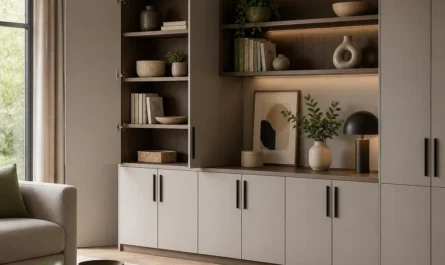
A sideboard remains the most popular dining room storage solution, offering a mix of cupboard space and drawers suited to crockery, linens, and everyday dining essentials. For more on choosing between sideboard styles, our storage cabinets guide covers similar considerations that apply here too.
Display Cabinets for Special Occasion Items
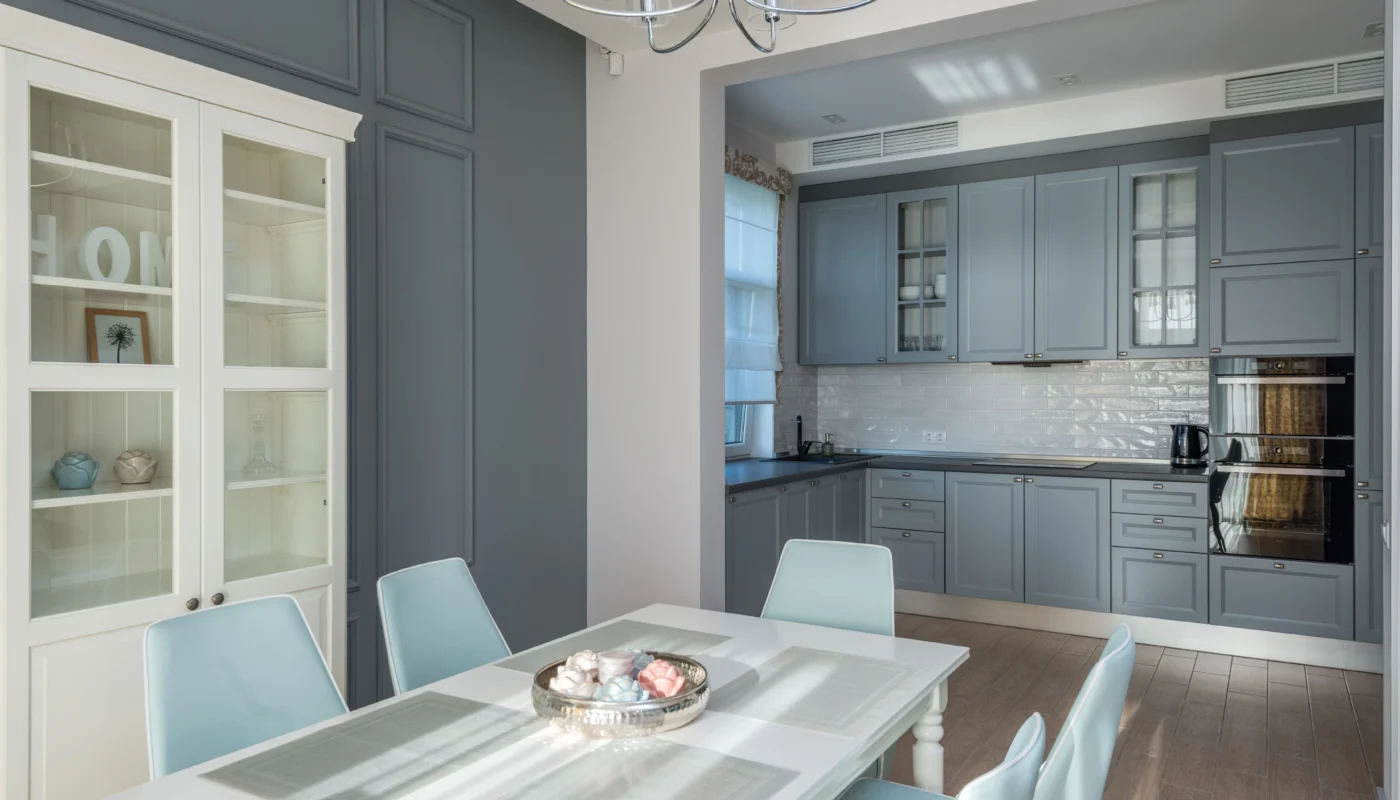
Glass-fronted display cabinets suit items you want visible but protected, such as good china or glassware reserved for special occasions. These work particularly well in more formal dining rooms.
Drinks Cabinets and Bar Carts
For households that entertain regularly, a dedicated drinks cabinet or bar cart keeps glassware and bottles organised and easily accessible, without cluttering the main table area.
Built-In vs. Freestanding Storage
Built-in storage, such as fitted cupboards, makes efficient use of awkward spaces like alcoves, though it’s a bigger commitment than freestanding furniture. Freestanding pieces offer more flexibility if you’re likely to move or redecorate in the coming years.
Making the Most of a Small Dining Room
In smaller dining rooms, a narrow console-style sideboard or wall-mounted shelving can provide storage without eating into limited floor space needed for the table and chairs themselves.
Keeping Dining Storage Organised
- Group items by how often they’re used, keeping everyday pieces most accessible
- Use drawer dividers for cutlery and smaller items to avoid a jumbled mess
- Reserve top shelves or the back of cupboards for rarely used, special-occasion items
Dining Room Storage for Open-Plan Spaces
Open-plan living changes the storage equation. Without walls to hide behind, your dining storage is visible from the kitchen and living areas, so it needs to look like furniture rather than utility. Sideboards with clean lines work beautifully here, doubling as room dividers that subtly zone the dining area. Avoid tall, bulky pieces that block sightlines — low, wide storage keeps the open feel while still swallowing table linens, placemats and the inevitable overflow from the kitchen.
Materials and Finishes That Stand the Test of Time
Solid wood — oak, ash or walnut — ages gracefully and survives decades of daily use, though it commands higher prices. Veneered MDF offers the look for less and resists warping, but chips reveal the core beneath, so check edge finishing carefully. Lacquered finishes suit contemporary dining rooms and wipe clean easily, while painted timber can be refreshed with a new coat when tastes change. Whatever you choose, felt pads under serving dishes and coasters under drinks will keep surfaces looking new far longer.
Storing Table Linens, Cutlery and Seasonal Pieces
Dining rooms accumulate specialist items that need proper homes. Tablecloths and napkins stay crispest rolled rather than folded, in a drawer lined with acid-free tissue. Good cutlery deserves a lined cutlery tray or roll — tossing it loose in a drawer dulls edges and scratches handles. Seasonal pieces like Christmas dinner sets and serving platters used twice a year can live on higher shelves or in the least accessible cupboard, freeing everyday space for the items you actually reach for weekly.
Setting a Budget: What Dining Storage Costs in the UK
Expect to pay £80 to £200 for a decent flat-pack sideboard from high-street retailers, £250 to £600 for mid-range solid-wood-look pieces, and £800-plus for genuine solid timber or designer brands. Second-hand solid wood often beats new flat-pack on both price and longevity — charity furniture shops and auction sites regularly list oak sideboards under £150. Whatever your budget, measure your space first; an ill-fitting bargain is no bargain at all.
Keeping Dining Storage Clutter-Free Long Term
The initial organisation always feels satisfying — maintaining it is the real challenge. Adopt a one-in-one-out rule for tableware to stop cupboards slowly filling. Do a quick seasonal clear-out, rehoming chipped plates and orphaned glasses rather than letting them accumulate. Keep surfaces mostly clear: a sideboard top should hold at most a lamp, a small plant or a serving piece, not the drift of everyday clutter. For coordinating with the rest of the house, see our living room storage furniture guide.
Frequently Asked Questions
What’s the best storage furniture for a small dining room?
A narrow sideboard or wall-mounted shelving tends to work best, since they provide storage without taking up valuable floor space.
Should I choose a display cabinet or a sideboard?
A sideboard suits everyday, hidden storage, while a display cabinet works better for items you want to show off, such as good china.
Is built-in dining room storage worth the investment?
For an awkward space or a long-term home, built-in storage often makes better use of the room than freestanding furniture would.
What is the difference between a sideboard and a buffet?
Very little in modern usage — both are low, wide storage units for dining rooms. Traditionally a buffet is slightly taller and was used for serving food, while a sideboard is lower, but retailers now use the terms interchangeably.
How do I stop my dining room looking cluttered?
Give everything a closed home behind doors or in drawers, keep surfaces at least half clear, and resist using the dining table as a dumping ground. One statement piece beats five small ornaments.
Can dining room storage work in a combined living-dining room?
Yes — choose pieces that suit both zones, like a sideboard that stores dining linens below and displays books above. Low units that do not block sightlines keep the combined space feeling open.