 by
by Not everyone has a spare room to convert into an office. Small home office ideas focus on making the most of limited space, whether that’s a corner, an alcove, or a converted cupboard. Here’s how to fit a functional workspace into even the tightest spot.
Finding Space You Didn’t Know You Had
Look beyond obvious rooms. Under-stair areas, wide landings, and even wardrobes can be converted into a small but functional office. For a broader overview of home office planning, see our main home office ideas guide.
Compact Furniture That Works Hard
- Wall-mounted or floating desks – fold away or free up floor space when not in use
- Narrow-depth desks – ideal for hallways or slim alcoves
- Stackable or nesting storage – keeps paperwork organised without taking up a full unit
- A chair that tucks fully under the desk – frees the space when you’re not working
Our guide to choosing the right desk for a home office covers sizing and shape in more detail for tight spaces.
Using Vertical Space
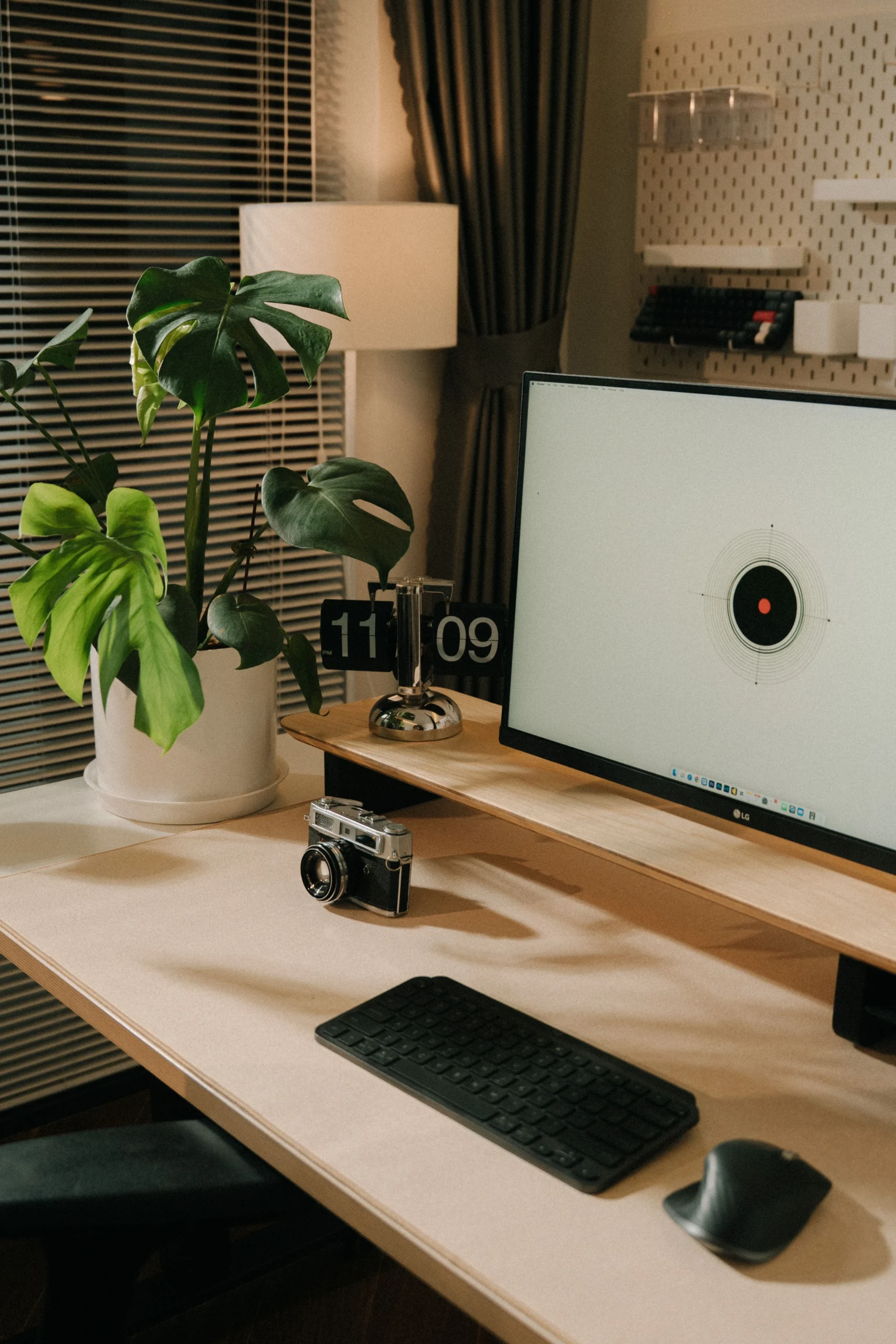
When floor space is limited, walls become your best resource. Shelving above the desk, pegboards for supplies, and wall-mounted lighting all free up valuable surface area, without making the space feel cramped.
Creating a Sense of Separation
Even in a shared space, a small visual boundary helps signal “this is where I work.” A folding screen, a curtain, or simply a different rug underfoot can create that separation without needing walls.
Colour and Light Tricks for Small Spaces
Light, neutral colours make a compact office feel larger and airier. A mirror positioned to reflect natural light can also help brighten a small area. For more on choosing colours and finishes, see our home office design guide.
Multi-Purpose Office Corners
If a room needs to serve more than one function, such as a guest room or living room, choose furniture that can close away or blend in. A desk that doubles as a console table, or a cabinet that hides office supplies, keeps the space feeling intentional rather than makeshift.
Ergonomics in a Smaller Footprint
Limited space shouldn’t mean poor posture. The Health and Safety Executive’s Display Screen Equipment (DSE) guidance still applies in a compact office, so prioritise correct monitor height and a supportive chair even when floor space is tight, rather than sacrificing these for a smaller desk alone.
The Under-Stairs Office: Making It Work
The cupboard under the stairs is the classic overlooked UK workspace. At typically 1 to 1.5 metres wide, it fits a wall-mounted drop-leaf desk and a stool that tucks away. Essentials: proper lighting (mains-powered, not just a lamp), ventilation (it gets warm), and cable routing through the wall. It suits focused laptop work rather than sprawling setups — and the psychological benefit is real: closing the cupboard door genuinely ends the working day.
Fold-Away Desks Worth Buying
When floor space is zero, furniture must disappear. Wall-mounted drop-leaf tables (£40–£120) fold flat when not in use. Secretary desks hide the entire workstation behind a fall-front — superb for living-room corners. Rolling laptop caddies tuck beside sofas. Whatever you choose, check the working depth: 40cm suffices for a laptop, but dual monitors need 60cm+. Test the folded mechanism in person if possible; flimsy hinges ruin the concept.
Acoustics in a Small Shared Space
Small offices are noisy offices — hard surfaces bounce every keystroke. Soft furnishings absorb sound: a rug, curtains, upholstered chair and even bookshelves noticeably calm a room. For video calls, a headset with a noise-cancelling microphone matters more than any room treatment. If you share with a partner, agree “call hours” or use a simple signal (headphones on = do not disturb). Acoustic panels help, but start with textiles — cheaper and prettier.
Lighting a Windowless Corner
No natural light is no excuse for gloom. Layer three sources: a daylight-temperature desk lamp (5000–6500K) for task work, a warm ambient light behind the monitor to reduce eye strain, and something decorative for video-call background. Position the desk lamp to the side of your dominant hand to avoid shadows while writing. A light therapy lamp doubles as a winter mood booster in dark UK months — genuine productivity tech, not wellness fluff.
What Not to Put in a Small Home Office
Editing matters more than adding. Skip the printer unless you print weekly — it dominates small desks and gathers dust. Avoid full-size desktop PCs when a laptop plus monitor does the job. Ditch decorative objects that serve no function; in 4 square metres, every item must justify its footprint. And resist the second monitor until you are sure you need it — most people overestimate, and one good screen beats two mediocre ones. For the full design picture, see our home office design guide.
Frequently Asked Questions
Can I fit a home office into a hallway?
Yes, a narrow console-style desk with wall-mounted storage above works well in most hallways, provided it doesn’t block walkways.
What’s the smallest space a home office can fit into?
A wall-mounted, foldaway desk can work in as little as half a square metre when not in use, expanding only while you’re actually working.
How do I stop a small home office from feeling cramped?
Stick to light colours, use vertical storage instead of floor-standing units, and keep the desk surface as clear as possible.
How can I fit a home office in a small bedroom?
Use a wall-mounted drop-leaf desk or a narrow console desk, keep storage vertical, and choose a chair that tucks fully under. Position the desk to face the room rather than the wall to avoid a cramped feel.
What is the smallest practical home office setup?
About 1 square metre: a 80cm-wide desk or wall shelf, a laptop, and a storable chair. Add task lighting and you have a genuinely usable workspace.
How do I separate work and living space in a studio flat?
Use a rug, a bookcase as a divider, or simply a consistent ‘shutdown ritual’ — packing the laptop away signals the brain that work is over, even without physical separation.
Related Home Office Guides
- Home Office Ideas: The Complete Setup Guide
- How to Design a Home Office That Actually Works
- Home Office Inspiration Setups to Steal
- Choosing the Right Desk for Your Home Office