
 by
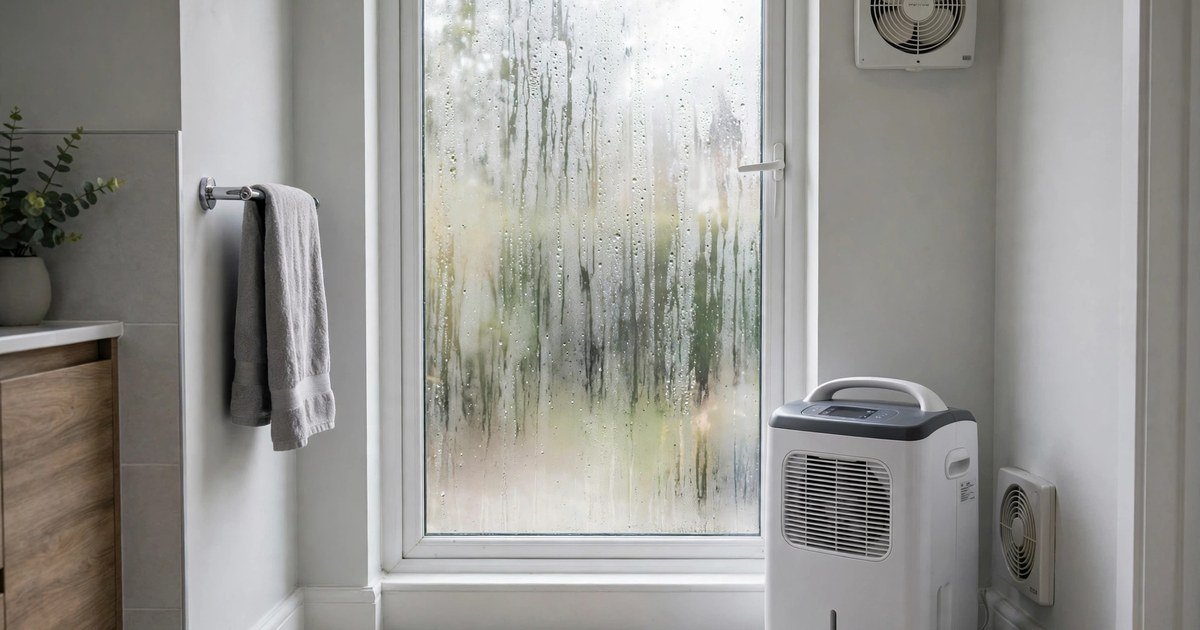
Dehumidifier or extractor fan? Both fight condensation, but they work completely differently — one removes moisture from the air in a room, the other expels moist air outside at the source. Choosing wrong wastes money. This guide compares them on effectiveness, running costs and the situations each suits.
How They Work
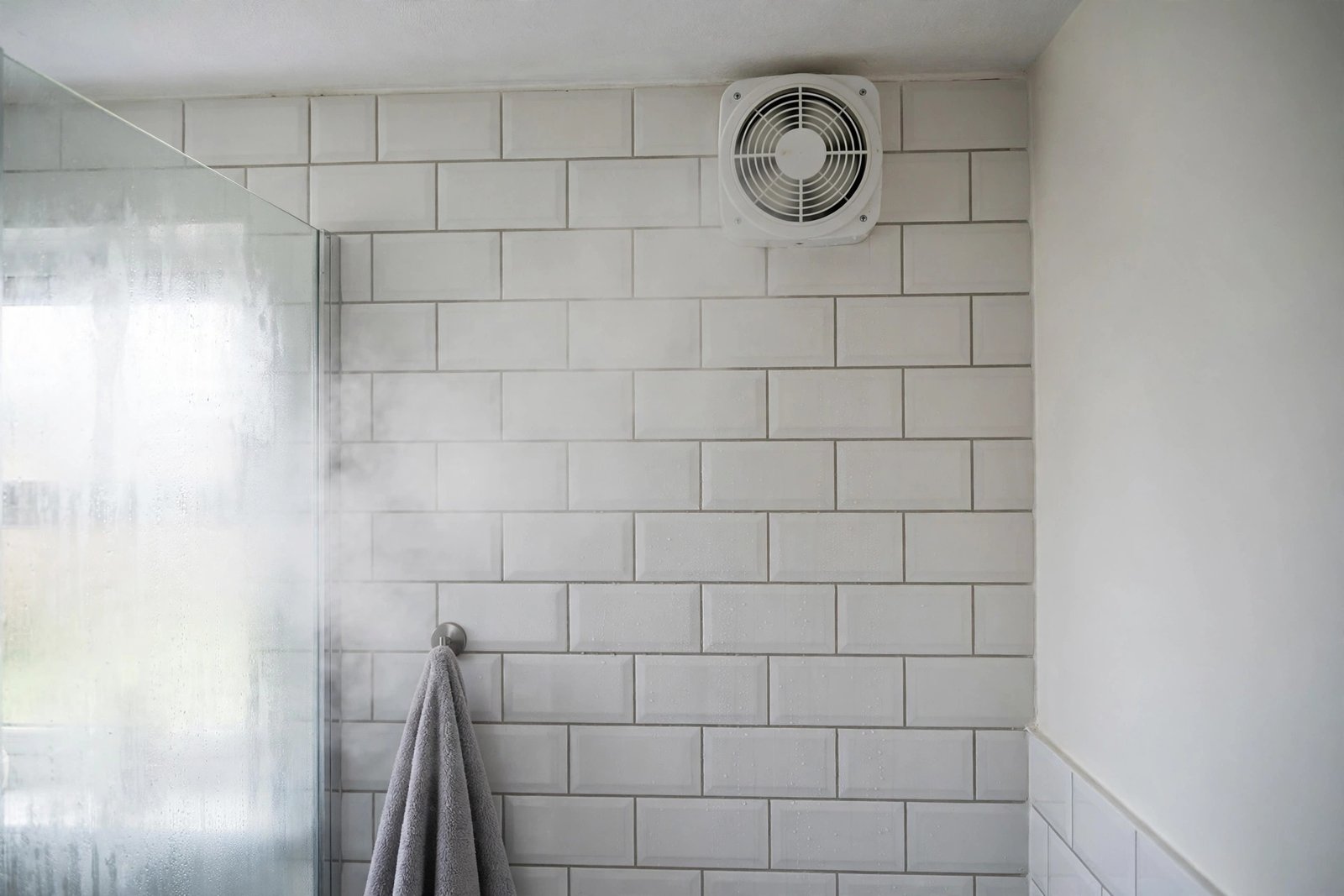
- Extractor fan: fitted in kitchens and bathrooms, it pulls moist air out at the source (cooking, showering) and dumps it outside. Prevention at the point of production.
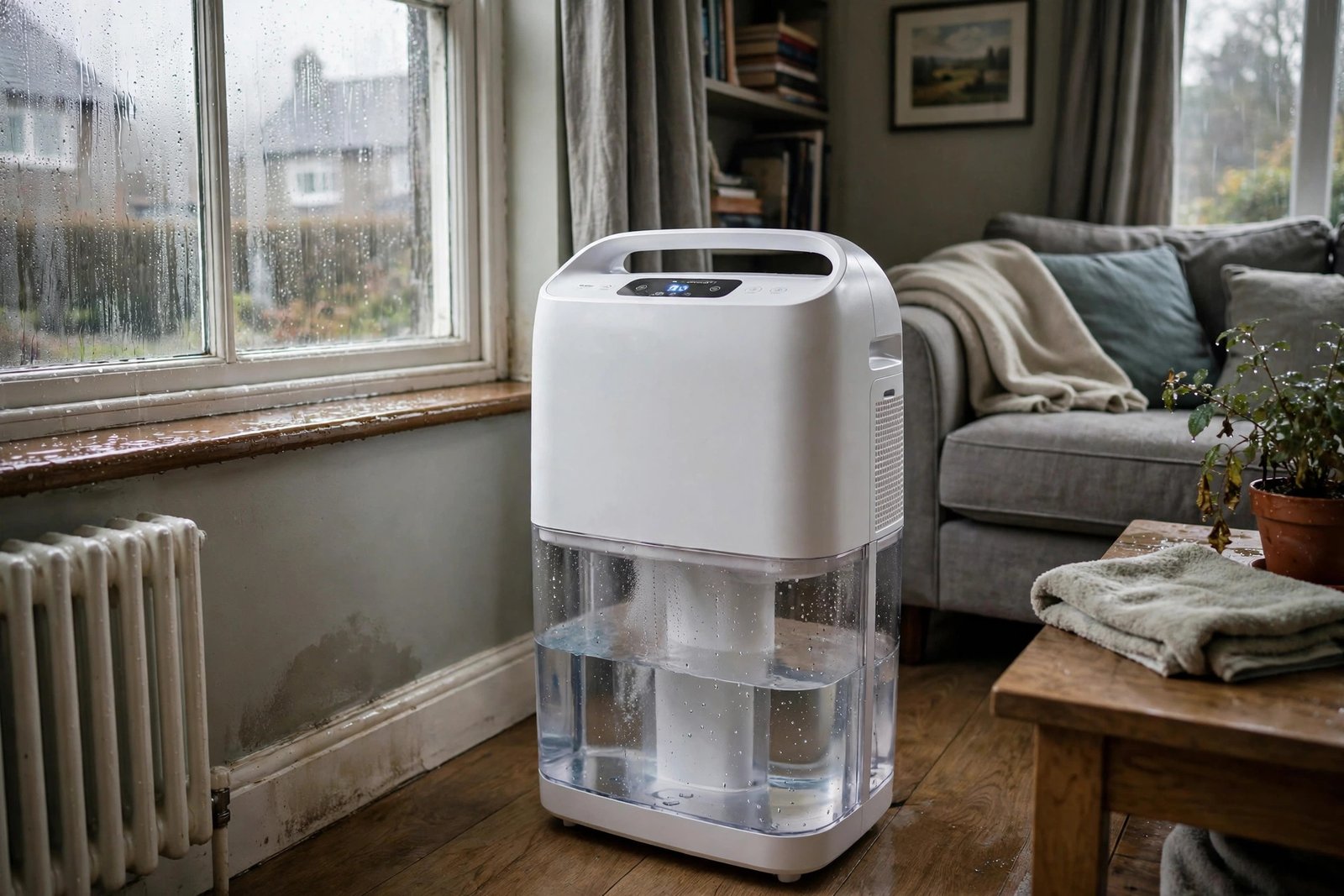
- Dehumidifier: a portable unit that draws room air in, condenses the moisture out into a tank (or drain), and blows drier air back. Cure for moisture already in the air.
Effectiveness
For source moisture (showers, cooking), a decent extractor fan used every time is the most effective single measure — it removes moisture before it spreads. For general room humidity (drying clothes, breathing overnight, whole-room damp feeling), a dehumidifier wins — it can pull litres per day from the air. They are complements, not competitors: the ideal home has both. For whole-house persistent condensation, consider PIV instead.
Running Costs
Extractor fans cost pennies to run (typically 5–30W). Dehumidifiers use more (150–300W for compressor models; desiccant models use more but work better in cold rooms). A dehumidifier running 6 hours daily might add £10–£25/month in winter electricity — worth it if it prevents mould, but not free. Factor this into the decision.
Which Should You Buy?
- Bathroom/kitchen steam: extractor fan first (and make sure it vents outside, not into the loft).
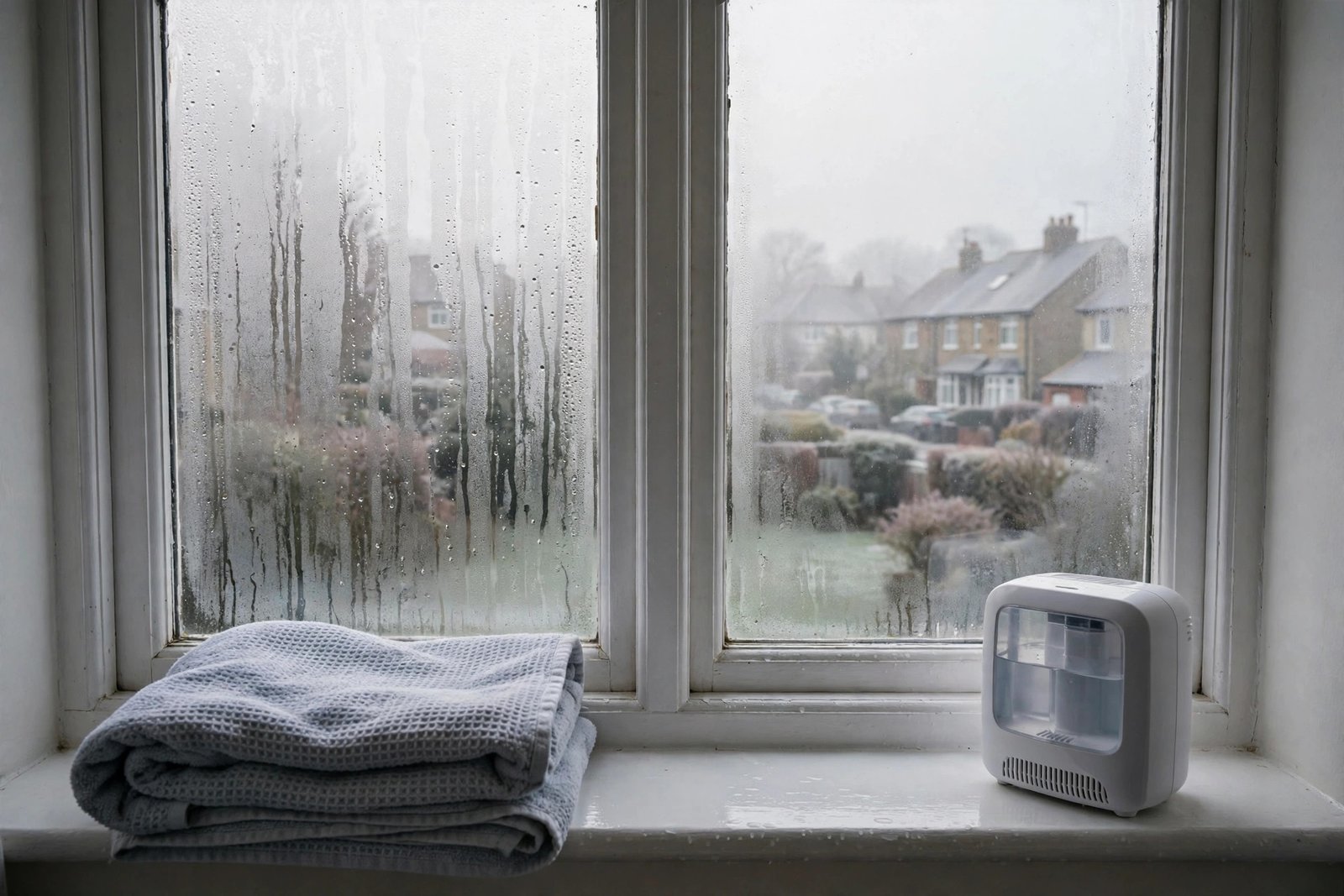
- Bedroom morning condensation: dehumidifier — see morning window fixes.
- Drying clothes indoors: dehumidifier in the drying room.
- Whole-house damp feeling: dehumidifier as stopgap; investigate ventilation (PIV) for the long term.
Frequently Asked Questions
Can a dehumidifier replace an extractor fan?
No — they do different jobs. Fans remove moisture at source; dehumidifiers treat room air. Ideally have both.
How much does it cost to run a dehumidifier?
Roughly £10–£25/month with heavy winter use, depending on the model and electricity tariff.
Do I need a dehumidifier if I have PIV?
Usually not — PIV handles whole-house humidity. A dehumidifier remains useful for specific problem spots like drying rooms.
Which dehumidifier type is best for UK winters?
Desiccant models work better in cold rooms (under ~15°C); compressor models are cheaper to run in warmer conditions.
Will an extractor fan stop bedroom condensation?
Only indirectly. Bedroom moisture needs bedroom ventilation or a dehumidifier — see bedroom mould fixes.
The Bottom Line
Extractor fans for source moisture, dehumidifiers for room air — most damp-prone homes benefit from both. See our complete damp guide for the full system.