 by
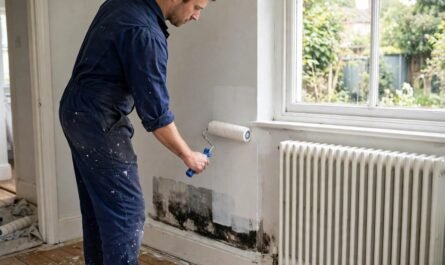
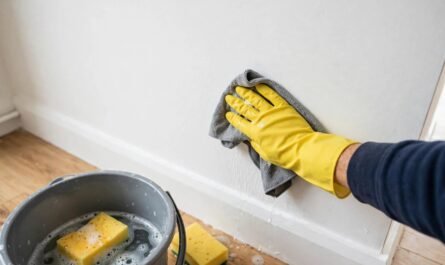
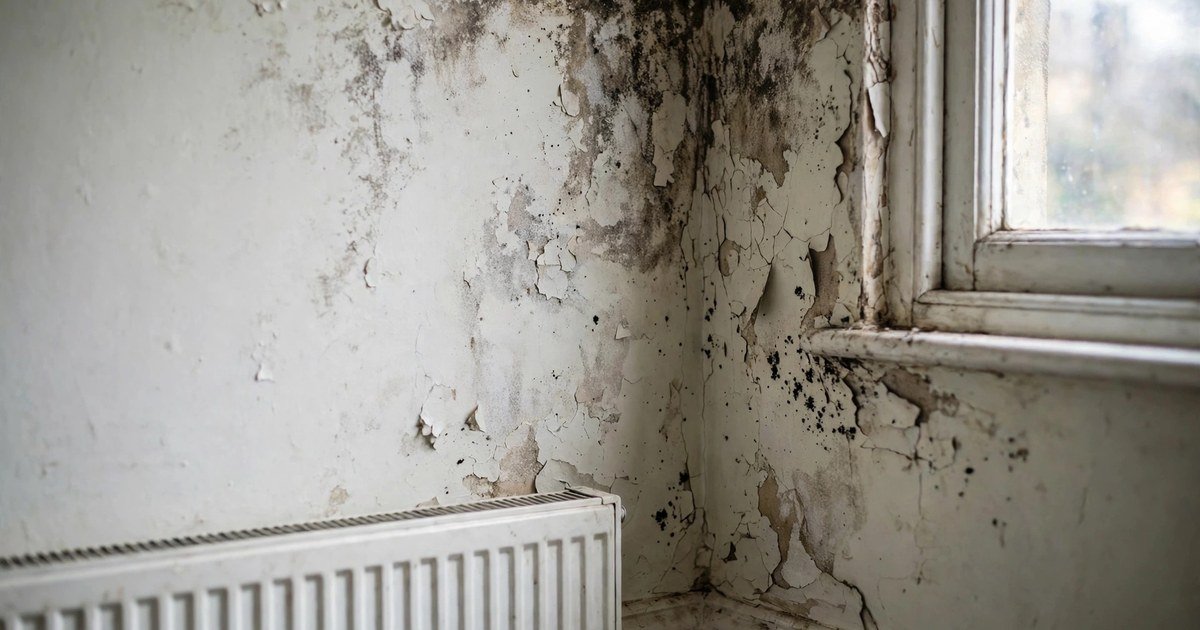
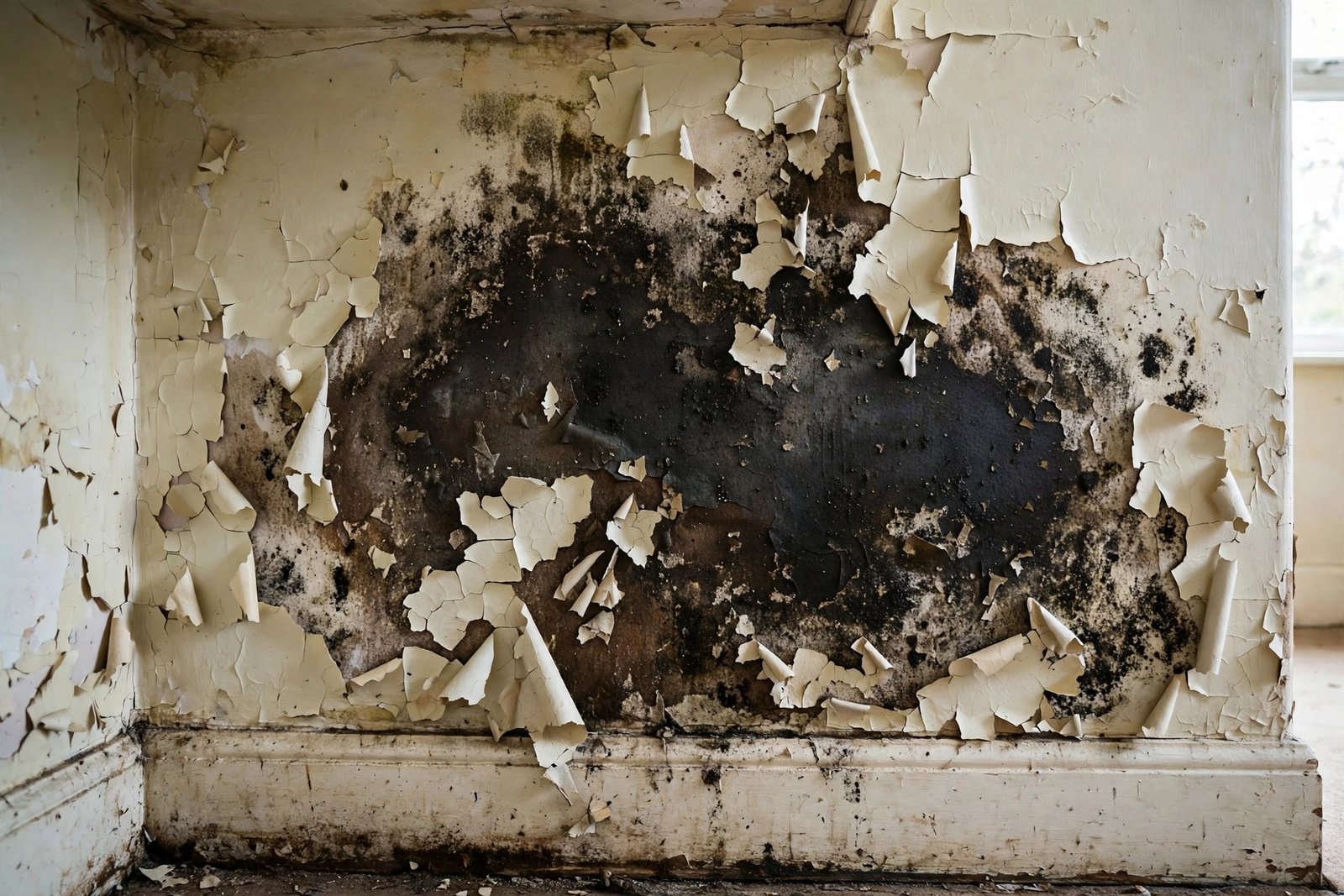
Damp patches on internal walls all look similar — discolouration, peeling paint, musty smell — but the causes are completely different, and so are the fixes. Treating condensation as rising damp (a classic and expensive mistake) can cost thousands for nothing. This guide teaches you to diagnose before you spend.
The Four Causes
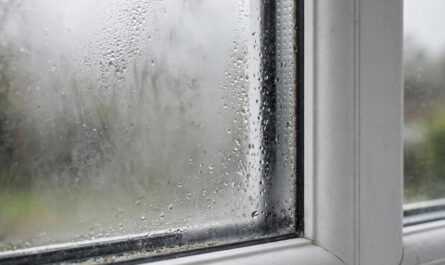
- Condensation (most common): moisture from the air settling on cold surfaces. Pattern: patchy, on external walls/cold corners/windows, worse in winter, comes and goes. Fix: ventilation, heating, insulation — see our condensation guide.
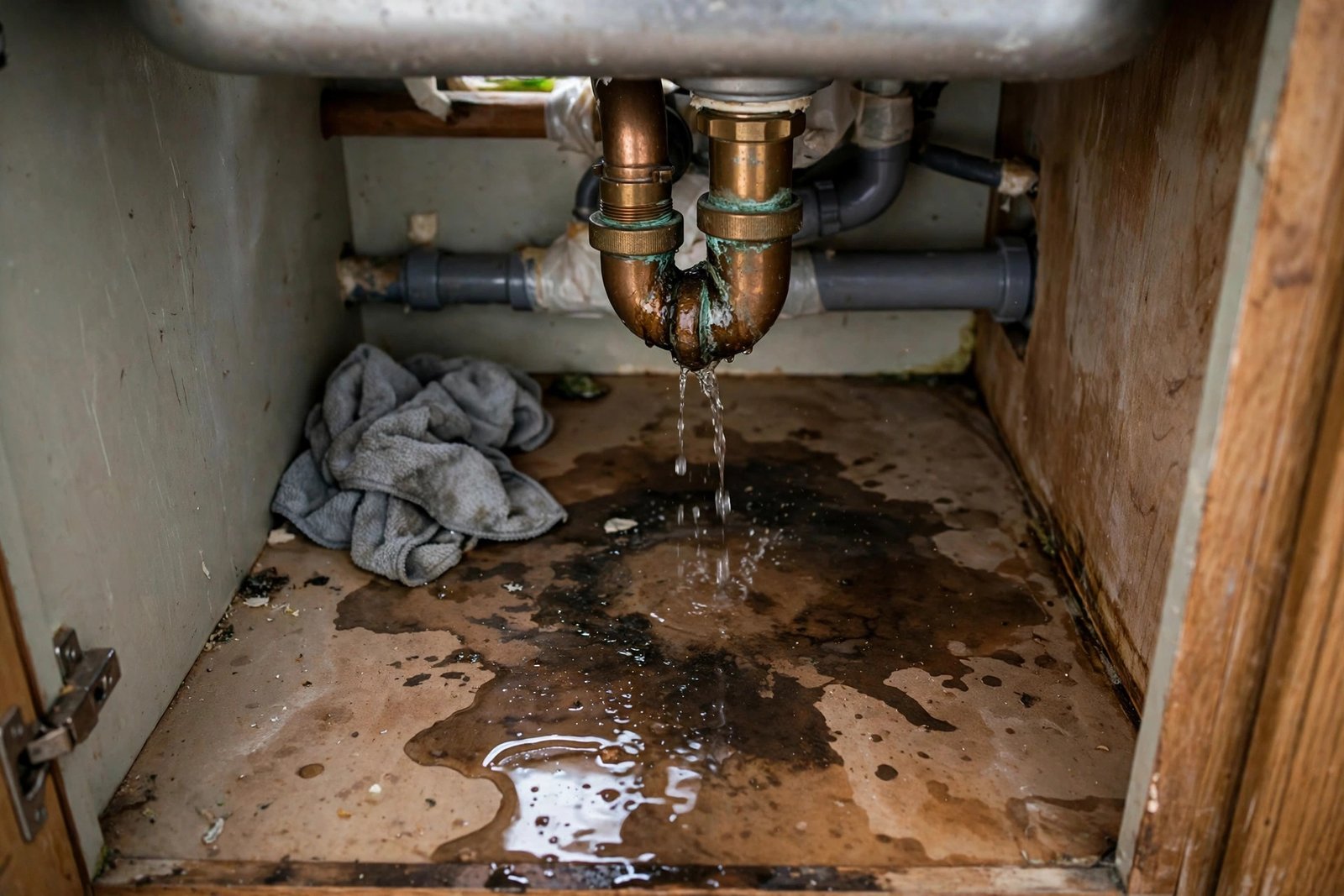
- Leaks: plumbing, roofs, gutters. Pattern: localised, often with a clear worst spot, may drip or stain in lines. Fix: find and repair the leak — everything else is secondary.
- Penetrating damp: rain getting through the wall — failed pointing, cracked render, bridged cavities, leaking gutters saturating walls. Pattern: on the weather-facing side, worse after rain, tide marks. Fix: building repair (repointing, gutters, render).
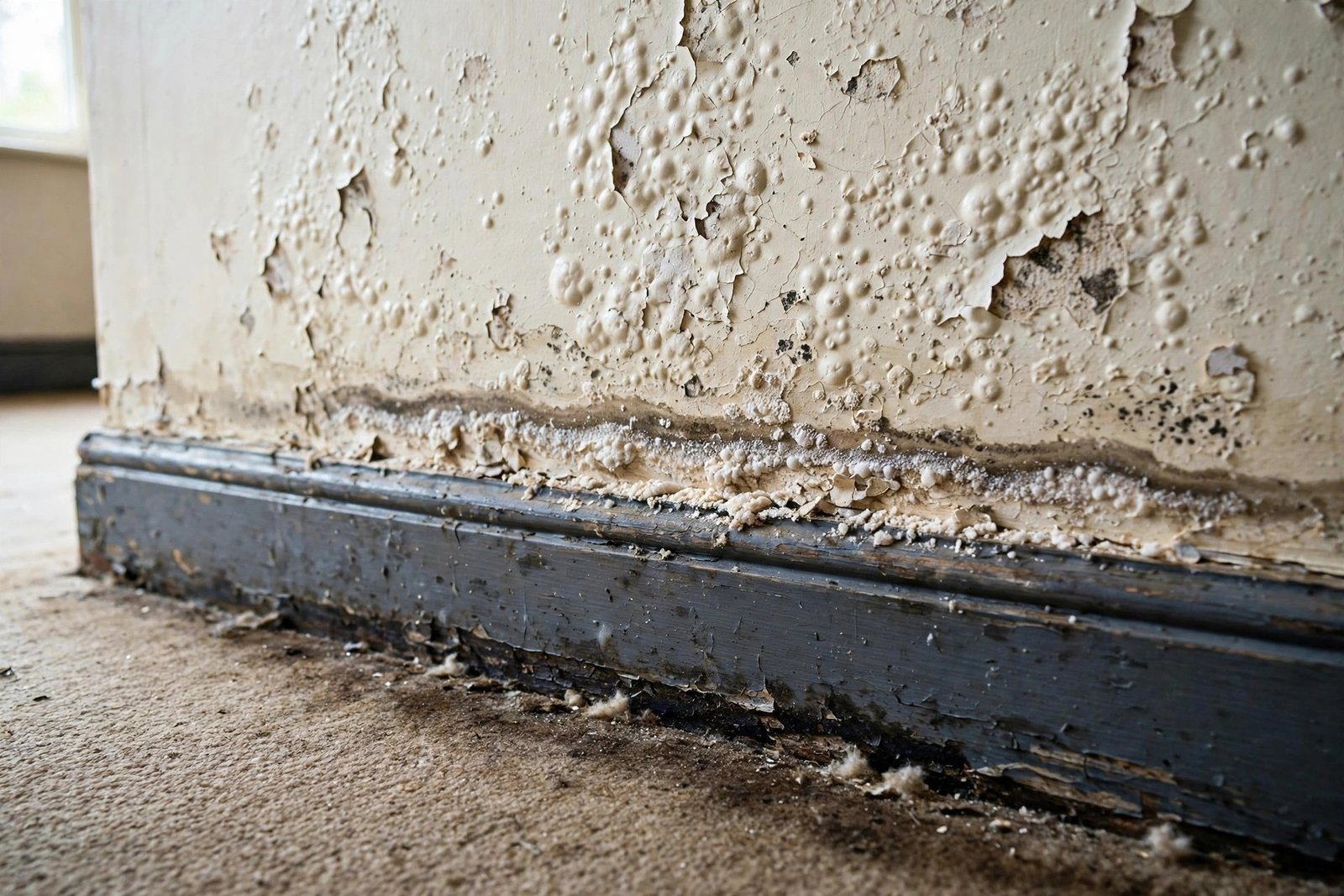
- Rising damp: groundwater wicking up through masonry. Pattern: low on ground-floor walls (up to ~1m), tide marks, salt deposits, skirting damage. Fix: damp-proof course repair — but note this is over-diagnosed by companies selling the treatment.
How to Tell Them Apart
- Where: high on walls/ceilings and on windows = condensation. Low on ground-floor walls = rising damp candidate. One weather-facing wall = penetrating. One spot under a bathroom = leak.
- When: worse in winter, better in summer = condensation. Worse after rain = penetrating. Constant regardless = leak or rising damp.
- The foil test: tape foil to the wall overnight — moisture on the room side = condensation; behind the foil = damp coming through the wall.
- Salts: white fluffy deposits suggest moisture moving through masonry (rising/penetrating), not condensation.
The Rising Damp Warning
Rising damp is real but rare compared to how often it is diagnosed — especially by “free surveys” from damp-proofing companies. If someone diagnoses rising damp in minutes with a moisture meter pressed to the surface (which also reads condensation), get an independent surveyor (look for CSRT qualification) before authorising chemical DPC work costing thousands.
Frequently Asked Questions
How do I know if damp is serious?
Spreading patches, structural damage (crumbling plaster, rotten skirting/timber), persistent musty smells, or any damp you cannot explain — get professional assessment.
Can I diagnose damp myself?
Often, yes, using the patterns above — most cases are obviously condensation. For ambiguous or serious cases, pay for an independent survey.
Why is one wall damp and not others?
Single-wall damp points to penetrating damp (that elevation’s weather exposure), a localised leak, or a cold bridge — not whole-house condensation.
Does home insurance cover damp?
Sudden leaks (burst pipes) usually yes; gradual damp, condensation and “wear and tear” usually no. Check your policy wording.
Should I get a free damp survey?
Be cautious — free surveys from treatment companies have an obvious incentive. An independent paid survey is cheaper than unnecessary treatment.
The Bottom Line
Most internal wall damp is condensation; most of the rest is leaks or penetrating damp; rising damp is the rarest and most over-sold. Diagnose with the patterns above, then treat the right cause — see our mould treatment guide and complete damp guide.