
 by
Walk into any UK DIY shop and you will see two names on almost every shelf: Dulux and Johnstone’s. Both brands have been on British walls for decades. In addition, both sell emulsion, gloss, bathroom paint and woodcare. So which one should you buy? This guide to dulux vs johnstone’s paint uk compares the two brands tin by tin. As a result, you will know which paint suits your room, your budget and your skill level.
In short, neither brand wins outright. Dulux usually leads on colour range, retail availability and specialist finishes. On the other hand, Johnstone’s usually wins on price per litre and trade value. The right choice depends on the job. A bathroom needs a different tin from a hallway. Likewise, a first-time DIYer needs a different paint from a decorator. Read on for the full comparison.
Dulux vs Johnstone’s at a Glance
Here is the quick version. The rest of this guide fills in the detail behind each row.
| Dulux | Johnstone’s | |
|---|---|---|
| Owner | AkzoNobel | PPG |
| Best known for | Retail range, colour choice, Easycare | Trade value, Washable Matt, Covaplus |
| Emulsion coverage | Typically 10 to 13 m² per litre | Typically 10 to 13 m² per litre |
| Colour range | Very wide, with tester pots in most colours | Wide, but fewer tester pots on the shelf |
| Typical price, 2.5L matt emulsion | Around £20 to £30 | Around £15 to £25 |
| Gloss drying time | Quick Dry gloss: recoat in about 6 hours | Non Drip gloss: up to 16 to 24 hours to dry fully |
| Bathroom paint | Easycare Bathroom, with MouldTec | Johnstone’s Bathroom, soft sheen |
| Where to buy | Almost everywhere: B&Q, Wickes, Screwfix, Dulux Decorator Centre | Wickes, B&Q, Screwfix, Toolstation, trade counters |
| Trade range | Dulux Trade (sold through decorator centres) | Johnstone’s Trade (sold through trade counters) |
Prices move with offers, so treat every figure in this guide as a typical range. Check the shelf price on the day. Furthermore, both brands run frequent promotions, and a 5-litre tin on offer often beats a 2.5-litre tin at full price.
The Two Brands in Brief
First, Dulux is the biggest paint brand in the UK. It is owned by AkzoNobel. Most homeowners know it first. Its retail range covers almost every surface in a home, from walls and ceilings to radiators and garden fences. Dulux also runs its own chain of Dulux Decorator Centres, which stock the Dulux Trade range for professionals.
Second, Johnstone’s is owned by PPG, one of the largest paint makers in the world. It has a strong trade heritage. For example, many decorators buy Johnstone’s through trade counters and merchants. Its retail range is smaller than Dulux, but it covers the same core jobs. Johnstone’s is often the cheaper tin on the shelf, litre for litre.
Both brands make their paint to UK standards. Also, both offer low-VOC water-based emulsions. Neither brand is a budget own-label product. Overall, the difference is one of focus, not quality. Dulux aims at the widest possible retail shelf. By contrast, Johnstone’s aims at value for money, with a strong trade following.
Emulsion Paint Compared
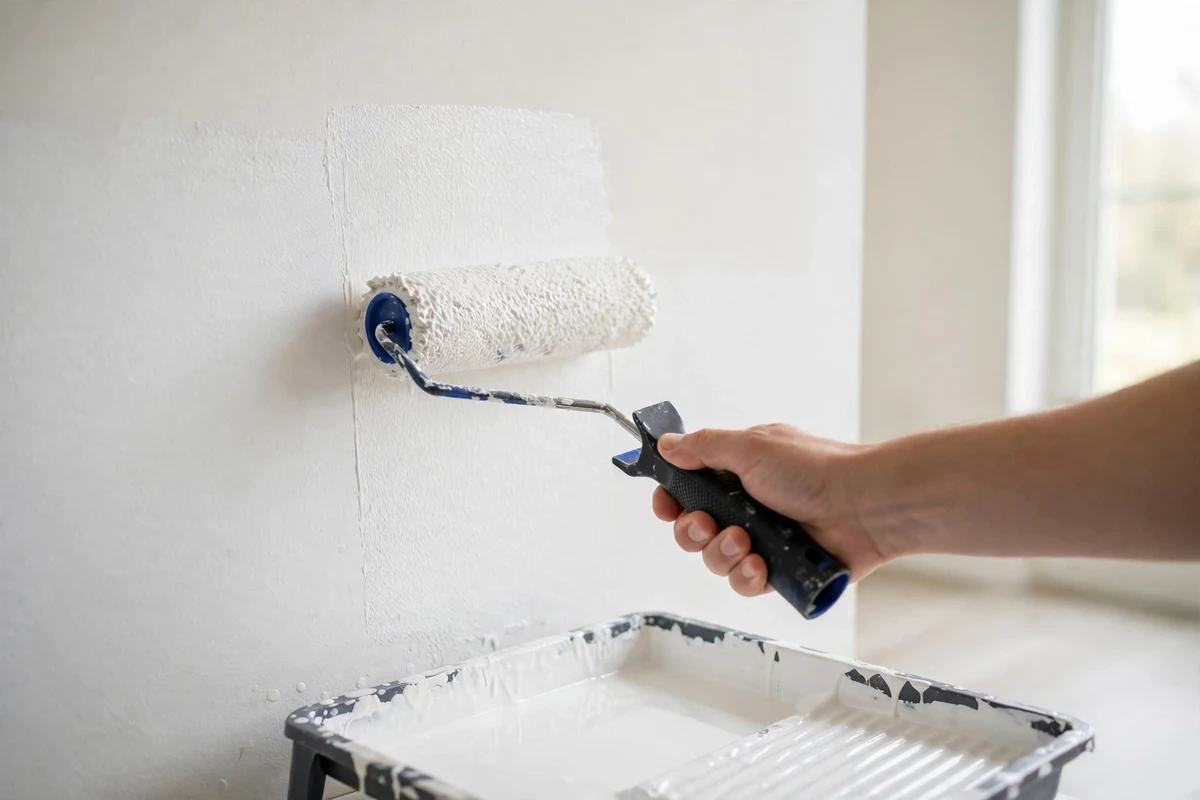
Emulsion is the paint most people mean when they say “wall paint”. Both brands sell matt, silk and soft sheen emulsions for walls and ceilings. Coverage is near identical. Both claim around 10 to 13 m² per litre, per coat, on a sound surface. However, on new plaster, coverage drops. That is true for both brands, because bare plaster drinks paint. Our guide to Zinsser vs Dulux primer explains how a primer or mist coat helps on a new surface.
Dulux Vinyl Matt is the default choice for most living rooms and bedrooms. It has a creamy texture that rolls on well. Besides, it comes in a very wide colour range, and tester pots are easy to find. Dulux also sells Easycare, a tougher emulsion for busy rooms. Easycare claims to be about ten times tougher than standard emulsion. As a result, it suits hallways, stairs and children’s rooms, where walls get touched and scuffed.
Johnstone’s Vinyl Matt and Vinyl Silk cover the same ground. Similarly, Johnstone’s Washable Matt is its answer to Easycare. It is a wipeable matt finish for walls that need regular cleaning. Still, it costs less per litre than Easycare in most shops. In independent tests, both brands score well for coverage. Johnstone’s sometimes needs the same two coats as Dulux for a full, even colour. Neither brand reliably covers in one coat over a strong colour change.
For a plain white ceiling or a first coat over new plaster, the cheaper tin often makes more sense. A contract matt from either brand does the job well. Finally, save the premium tin for the topcoats, where finish and durability matter most.
Gloss and Woodwork Paint Compared
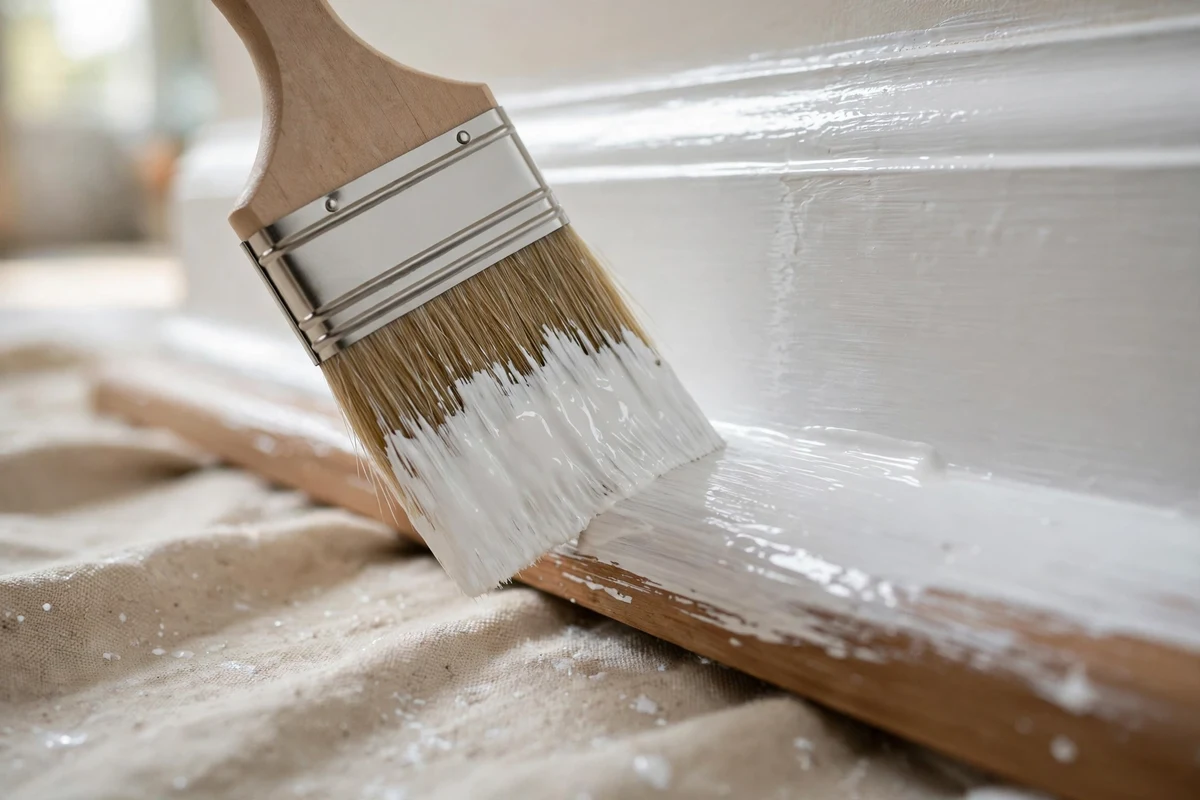
Woodwork is where the two brands differ most. Dulux Quick Dry Gloss is water-based. It dries fast. You can recoat it in about 6 hours. In fact, it has low odour, so you can paint a door in the morning and use the room the same day. It comes in a wide colour range, from pure brilliant white to deep shades. The finish is a clean, hard gloss.
Johnstone’s Non Drip Gloss is solvent-based. It is thicker, so it drips less on vertical surfaces. That helps on spindles and door frames. But it dries slowly. Full drying can take 16 to 24 hours. It also has a stronger smell, so you need good ventilation. On the plus side, it is usually cheaper per tin. For instance, a 750ml tin typically costs around £8 to £14, against around £12 to £18 for Dulux Quick Dry Gloss.
Which is better? For most DIY jobs, the quick-drying Dulux wins on convenience. You finish the job in a day. For a decorator who wants a thick, non-drip coat on detailed woodwork, Johnstone’s has its fans. Johnstone’s also sells a water-based gloss and a satinwood, so the gap is smaller than it used to be. Always check the tin. Some Johnstone’s gloss is solvent-based, some is water-based, and the drying times are very different.
One warning applies to both brands. For example, gloss yellows over time, especially in rooms with little daylight. Water-based gloss yellows less than solvent-based gloss. Therefore, if your white woodwork must stay white, pick a water-based product and keep the room ventilated.
Bathroom and Kitchen Paint Compared
Bathrooms need paint that resists steam and mould. Both brands sell a dedicated bathroom paint. For example, Dulux Easycare Bathroom uses MouldTec, which Dulux says protects against mould for up to five years. It has a soft sheen finish. However, it costs more than standard emulsion. A 2.5-litre tin typically costs around £25 to £35.
Johnstone’s Bathroom paint is a soft sheen emulsion made for damp areas. It resists moisture and grease, and it wipes clean. By comparison, it typically costs around £15 to £20 for 2.5 litres. That makes it one of the cheapest bathroom paints from a major brand. It needs two to three coats for a solid colour, much like Dulux.
Neither paint fixes a damp problem on its own. If your bathroom has mould, treat the cause first. Above all, ventilation matters more than the tin. Our guides to how to treat mould on walls before painting and what causes damp on internal walls explain the steps to take before you paint. For kitchens, both brands sell a kitchen emulsion. Likewise, Dulux Easycare Kitchen and Johnstone’s Kitchen paint both resist grease and steam. The same rule applies: clean the walls first, and use a stain-blocking primer over any old marks.
Colour Range and Matching
Dulux wins on colour. Its range is wider, and its colour tools are better. Tester pots are available in most colours, including the popular shades like Egyptian Cotton and Goose Down. Dulux also offers colour matching in store. Bring a swatch or a sample, and the machine mixes a match.
In contrast, Johnstone’s colour range is good, but smaller. Its own colour cards cover the popular shades well. It also offers colour matching through trade counters. But tester pots are harder to find on the retail shelf. So, if you want to test three shades on your wall before you commit, Dulux makes that easier.
One practical tip: never judge a colour from a screen or a printed card alone. Paint a tester patch on the wall, in two coats, and look at it in daylight and at night. Colours shift a lot between a shop light and your living room. In particular, this matters most with greys and greens, which can look blue or yellow in different light.
Price per Litre: What You Actually Pay
Johnstone’s usually wins on price. Specifically, the gap is biggest on plain white matt emulsion. A 2.5-litre tin of Johnstone’s Vinyl Matt typically costs around £15 to £25. Meanwhile, the same size in Dulux Vinyl Matt typically costs around £20 to £30. On a whole-house job, that gap adds up. Five tins of Johnstone’s can save you £25 to £50 against Dulux. For a whole house, the dulux vs johnstone’s paint uk price gap is the real story.
However, the gap narrows on specialist paint. Bathroom paint, kitchen paint and durable emulsions cost more from both brands. Dulux Easycare and Johnstone’s Washable Matt are often within a few pounds of each other. Nevertheless, offers change the picture too. Dulux runs frequent multi-buy deals, and a 5-litre tin on offer can beat the smaller Johnstone’s tin.
Work out the price per litre, not the price per tin. A 5-litre tin is almost always cheaper per litre than a 2.5-litre tin. Moreover, a 10-litre trade tin is cheaper still. If you have a big job, ask at the trade counter. In addition, both brands sell larger tins through trade outlets, and you do not always need a trade account to buy them.
Where to Buy Dulux and Johnstone’s in the UK
Dulux is on sale in almost every DIY shop in the UK. B&Q, Wickes, Homebase, Screwfix and Toolstation all stock it. Dulux Decorator Centres stock the full range, including Dulux Trade. You can also buy Dulux online, with delivery or click and collect.
Johnstone’s is also widely stocked, but not quite everywhere. Wickes, B&Q, Screwfix and Toolstation carry it. However, independent trade counters and paint merchants are often the best place to find the full Johnstone’s range, including the trade products. If your local shop does not stock the Johnstone’s tin you want, ask. Many merchants order it in within a day or two.
Trade paint is worth knowing about. Dulux Trade and Johnstone’s Trade are made for professionals. They often have higher opacity, which means better coverage. Nevertheless, they cost more per tin, and you may need fewer coats. A decorator buying for a living often picks trade paint. By contrast, a DIYer painting one room rarely needs it.
Which Should You Buy?
There is no single winner in the dulux vs johnstone’s paint uk debate. The right tin depends on the job. Use this quick guide to decide.
- Plain white walls and ceilings: Johnstone’s Vinyl Matt. It covers well and costs less. So spend the saving on a good roller and brushes.
- A coloured feature wall: Dulux. The wider colour range and tester pots make it easier to get the shade right first time.
- Hallway, stairs or children’s room: Dulux Easycare or Johnstone’s Washable Matt. Both wipe clean. Then pick whichever is on offer.
- Bathroom: Either brand’s bathroom paint works. Johnstone’s is cheaper. Dulux Easycare Bathroom has the longer mould-resistance claim. Most importantly, fix ventilation first, whichever tin you pick.
- Doors and skirting boards: Dulux Quick Dry Gloss for speed and low odour. Johnstone’s Non Drip Gloss if you want a thick coat and do not mind the drying time.
- New plaster: Neither brand’s topcoat goes straight on bare plaster. Use a mist coat or a plaster primer first. Our guide to lining paper vs skimming plaster covers what to do with a freshly plastered wall.
- Whole house, tight budget: Johnstone’s, bought in 5-litre or 10-litre tins. The saving per litre is real.
Finally, if you still cannot decide, buy one tin of each in the same finish and test them side by side. Next, paint two patches on the same wall. Look at coverage, finish and drying time. In the end, that small test costs less than repainting a whole room in the wrong paint.
Mistakes to Avoid When Choosing Paint
The first mistake is buying on brand alone. A premium tin does not fix poor preparation. Instead, clean the walls, fill the holes, and sand the rough spots first. Paint sticks to a clean, sound surface. Conversely, it peels off a dirty one, whatever the brand.
The second mistake is skipping the second coat. One coat rarely gives a full, even colour, even with a premium emulsion. Generally, two coats are the norm. Over a strong colour change, you may need three. Budget for two coats when you work out how much paint to buy.
The third mistake is mixing finishes. Matt, silk and soft sheen look different on the same wall. If you touch up a matt wall with silk, the patch will shine. Keep the finish the same across a wall, and keep the batch number the same too. Paint from different batches can vary slightly in colour.
The fourth mistake is painting over damp or mould without treating it. Mould grows back through fresh paint. Treat it first, and fix the ventilation or leak that caused it. Our guide to how to stop mould coming back on walls covers the steps in order.
The last mistake is buying too little paint. Running out mid-wall leaves a visible join. Consequently, work out the area, divide by the coverage on the tin, and add ten per cent for waste. To sum up, it is better to have half a tin left over than to run out with one wall to go.
Frequently Asked Questions
Is Dulux better than Johnstone’s paint?
Neither brand is better in every case. Dulux leads on colour range, tester pots and retail availability. Johnstone’s usually costs less per litre and has a strong trade following. Both cover well and last well when applied properly. Pick by the job, not by the brand name.
Is Johnstone’s paint cheaper than Dulux?
Usually, yes. A 2.5-litre tin of Johnstone’s Vinyl Matt typically costs around £15 to £25, while Dulux Vinyl Matt typically costs around £20 to £30. The gap is smaller on specialist paints like bathroom and kitchen emulsion. Always compare the price per litre, and check current offers.
Which Dulux paint is best for walls?
For most living rooms and bedrooms, Dulux Vinyl Matt is the standard choice. For busy areas like hallways and stairs, Dulux Easycare is tougher and wipes clean. For bathrooms, use Dulux Easycare Bathroom. For kitchens, use Dulux Easycare Kitchen. Always use two coats for a full, even finish.
Does Johnstone’s paint need two coats?
Yes, in most cases. Like Dulux, Johnstone’s emulsion usually needs two coats for full, even coverage. One coat may look patchy, especially over a strong colour change or on new plaster. A mist coat or primer on bare plaster helps the topcoats cover better.
Is Dulux Trade better than retail Dulux?
Dulux Trade is made for professionals and often has higher opacity, so it can cover in fewer coats. It costs more per tin. For a decorator painting all day, that trade-off is worth it. For a DIYer painting one room, retail Dulux is usually enough. The same is true of Johnstone’s Trade against retail Johnstone’s.