 by
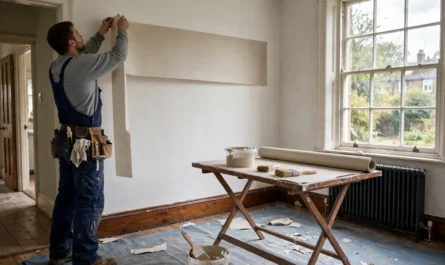
So how long between coats of emulsion uk homeowners should wait? For most standard emulsions, wait 2 to 4 hours between coats. That is the typical recoat time printed on the tin. Quick-dry paints can be ready in as little as 1 hour. Cold or damp rooms can push the wait to 6 hours or more. This guide covers the exact times by paint type and brand, what affects drying, and what goes wrong if you rush the second coat.
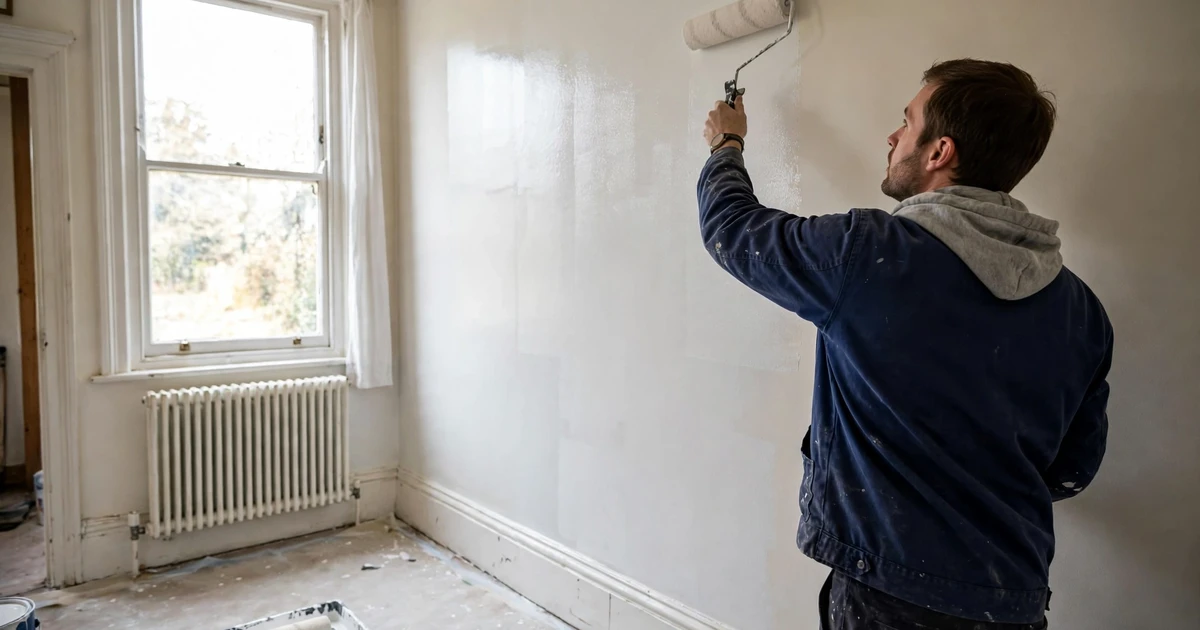
The key rule is simple. Do not judge by touch alone. A wall can feel dry long before it is ready to recoat. The paint film needs time to set through its full depth. If you roll a second coat over a soft first coat, you drag it, lift it, or leave patchy marks. So always check the recoat time on your tin, and give it the full time in poor conditions. In short, how long between coats of emulsion uk depends on the paint type, the room temperature and the humidity, and the sections below give the exact times.
The Short Answer: How Long Between Coats of Emulsion UK
Most water-based emulsions need 2 to 4 hours between coats. That covers vinyl matt, silk and soft sheen, which are the paints most UK homes use on walls and ceilings. Kitchen and bathroom emulsions usually need around 4 hours. Quick-dry emulsions can be recoated after 1 to 2 hours. A mist coat on new plaster is different. Give it around 24 hours, or overnight, before the first topcoat.
| Paint type | Touch dry | Ready to recoat |
|---|---|---|
| Vinyl matt emulsion | 1 to 2 hours | Typically 2 to 4 hours |
| Silk emulsion | 1 to 2 hours | Typically 2 to 4 hours |
| Soft sheen emulsion | 1 to 2 hours | Typically 2 to 4 hours |
| Kitchen and bathroom emulsion | 1 to 2 hours | Typically 4 hours |
| Quick-dry emulsion | Under 1 hour | Typically 1 to 2 hours |
| Mist coat on new plaster | 1 to 2 hours | Typically 24 hours |
| Oil-based gloss (woodwork) | 4 to 6 hours | Typically 16 to 24 hours |
These are typical figures for a warm, ventilated room at around 18 to 20°C. The tin you hold beats any guide. Brands differ, and so do products inside one brand. Dulux prints 2 to 4 hours for most of its emulsions. Crown prints 4 hours for several of its trade emulsions. Always read the label first, then use the table above as a sense check. So the practical answer to how long between coats of emulsion uk is 2 to 4 hours for most rooms, and longer in the cold.
Touch Dry, Recoat Dry and Fully Cured: What Is the Difference?
Paint dries in stages, and the words on the tin mean different things. Touch dry means the surface feels dry when you press it lightly. The paint has formed a skin, but the layer underneath is still soft. Recoat dry means the film has set firmly enough to take another coat without damage. Fully cured means the paint has reached its full hardness and washability. That takes far longer.
For emulsion, touch dry usually takes 1 to 2 hours. Recoat dry takes 2 to 4 hours. Full cure takes 2 to 4 weeks. So a wall can feel dry at lunchtime, take a second coat in the afternoon, and still need gentle treatment for a fortnight. Do not scrub a fresh wall. Do not stick hooks or tape to it. Let it harden fully before you judge the finish.
This is why “dry to the touch” is a trap. Many DIY painters feel the wall, find it dry, and start the second coat an hour early. The roller then pulls at the soft first coat. The finish goes patchy, and the only fix is to let it dry fully and coat it again. Waiting the extra hour costs nothing. Fixing a dragged coat costs a full day.
Recoat Times by Brand
Each brand prints its own times, and they do not all match. The table below gives typical recoat times for the brands UK decorators buy most. Treat them as a guide. The datasheet for your exact product is the final word.
| Brand | Typical emulsion recoat time | Notes |
|---|---|---|
| Dulux | 2 to 4 hours | Very consistent across matt, silk and soft sheen |
| Johnstone’s | 2 to 4 hours | Durable matt and kitchen paints can need 4 hours |
| Crown | 4 hours | Some trade emulsions print 4 hours as standard |
| Farrow & Ball | 4 hours | Allow the full 4 hours; it drags if rushed |
| Valspar (B&Q) | 4 hours | Matt and soft sheen both print around 4 hours |
| Wickes own brand | 2 to 4 hours | Check the tin; times vary by product |
| Leyland | 2 to 4 hours | Trade matt is usually 2 to 4 hours |
Notice the pattern. No major brand asks for less than 2 hours on a standard emulsion. If a tin says 4 hours, give it 4 hours. Cutting the time in half to finish a room in one day is a false saving. Our comparison of Dulux vs Johnstone’s paint covers the two most popular brands in more detail, including coverage and price per litre.
What Affects How Long Emulsion Takes to Dry?
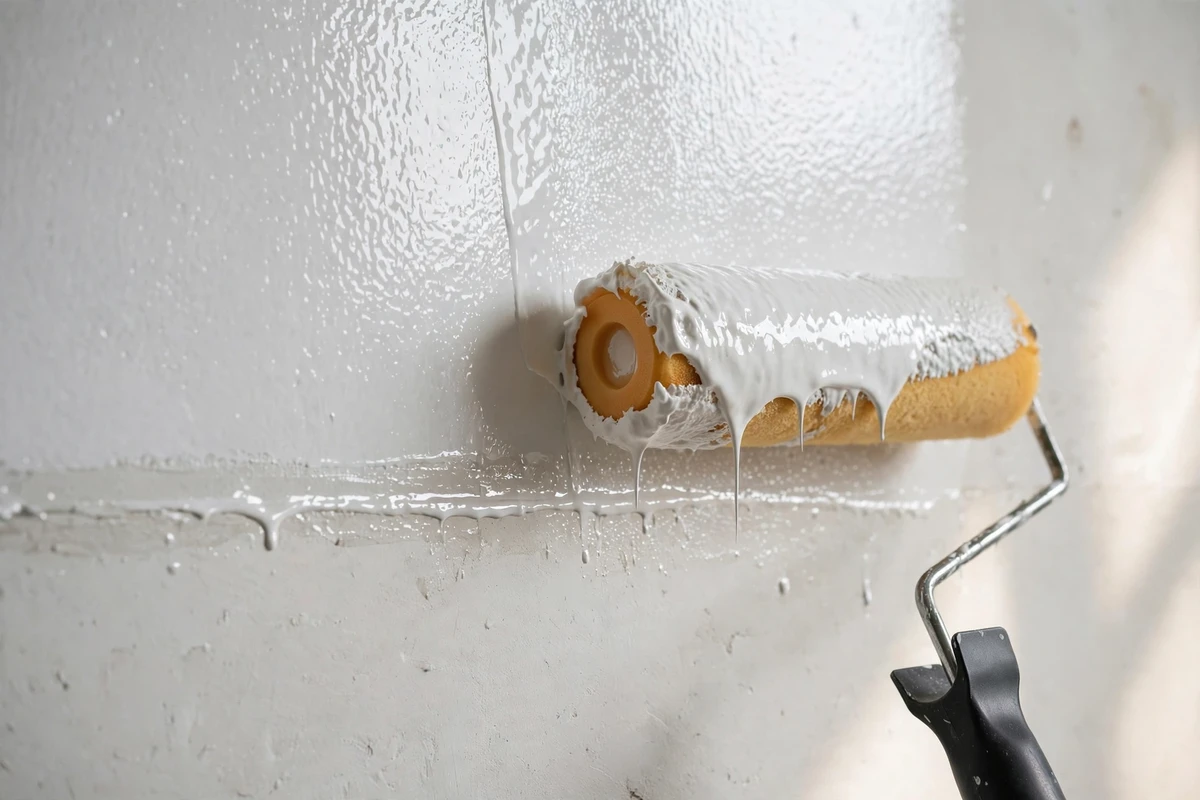
Manufacturers test drying times in a lab. They use around 20°C and 50% humidity. Your living room is not a lab. Real UK homes dry paint faster or slower, based on five factors.
First, temperature. Warm rooms dry paint faster. Cold rooms slow it down. Below 10°C, water-based emulsion struggles to form a proper film. Some makers say not to paint below 8°C at all. Aim for 15 to 25°C if you can.
Second, humidity. Damp air slows evaporation. A bathroom with no window, or a room dried with wet washing, can add hours to the recoat time. A dehumidifier helps, but keep it away from fresh plaster.
Third, ventilation. Airflow carries moisture away from the paint surface. Open a window a crack, even in winter. A room with the door shut and no airflow dries far slower than a room with a gentle draught.
Fourth, coat thickness. A thick coat dries slower than a thin one. Heavy loading on the roller looks faster, but it dries slower and can sag. Two thin coats dry faster, and more evenly, than one thick coat.
Fifth, the surface. Bare plaster drinks paint in, so a mist coat dries fast on the surface. A sealed or previously painted wall holds the paint on top, so it takes longer. Dark colours can also take longer, as they carry more pigment.
What Happens If You Recoat Too Soon?
Recoating too soon causes four common faults. The first is dragging. The roller grips the soft first coat and pulls it into ridges. The second is peeling. The new coat lifts the old coat off the wall in strips. The third is patchiness. Some areas dry at different rates, so the colour looks uneven. The fourth is flashing. Shiny and matt patches appear side by side, and they show worst in side light.
None of these faults is a disaster. But each one costs time. The fix is always the same. Let the wall dry fully, often overnight. Then sand any rough ridges lightly, and apply another coat. That turns a one-day job into a two-day job. So the hour you saved by rushing costs you a full day to fix.
The worst case is on fresh plaster. A second coat over a damp mist coat traps moisture under the paint. The finish can bubble, peel, or grow mould. Our guide to how many coats of emulsion on new plaster explains the full new-plaster sequence, including the mist coat ratio and drying times.
How to Tell If the First Coat Is Ready
Use three checks before you start the second coat. First, check the clock. Has the full recoat time on the tin passed? If not, wait. The clock beats your eyes and your hands.
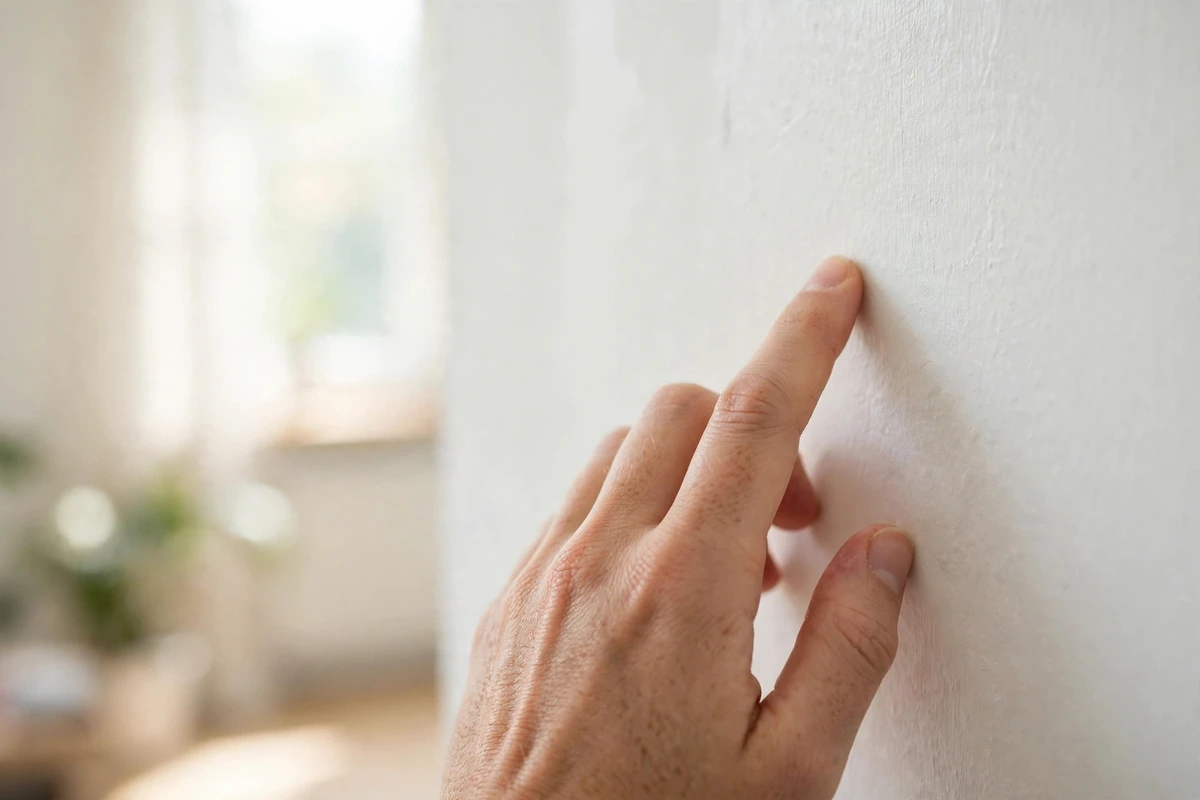
Second, do the touch test. Press the wall lightly with the back of your hand in an out-of-the-way spot, such as behind a door. The paint should feel dry and cool, not tacky or soft. If your hand sticks even slightly, wait longer.
Third, look at the sheen. A wet coat looks darker and shinier than a dry one. Walk around the room and look at the wall in side light. If any patches still look darker or glossier, they are still drying. Wait until the whole wall looks even.
One more test helps on a cold day. Roll a small test patch in a hidden corner. If the roller glides smoothly, the coat is ready. If it drags or pulls, stop at once. Let the wall dry for another hour, then test again.
How Long Between a Mist Coat and the First Topcoat?
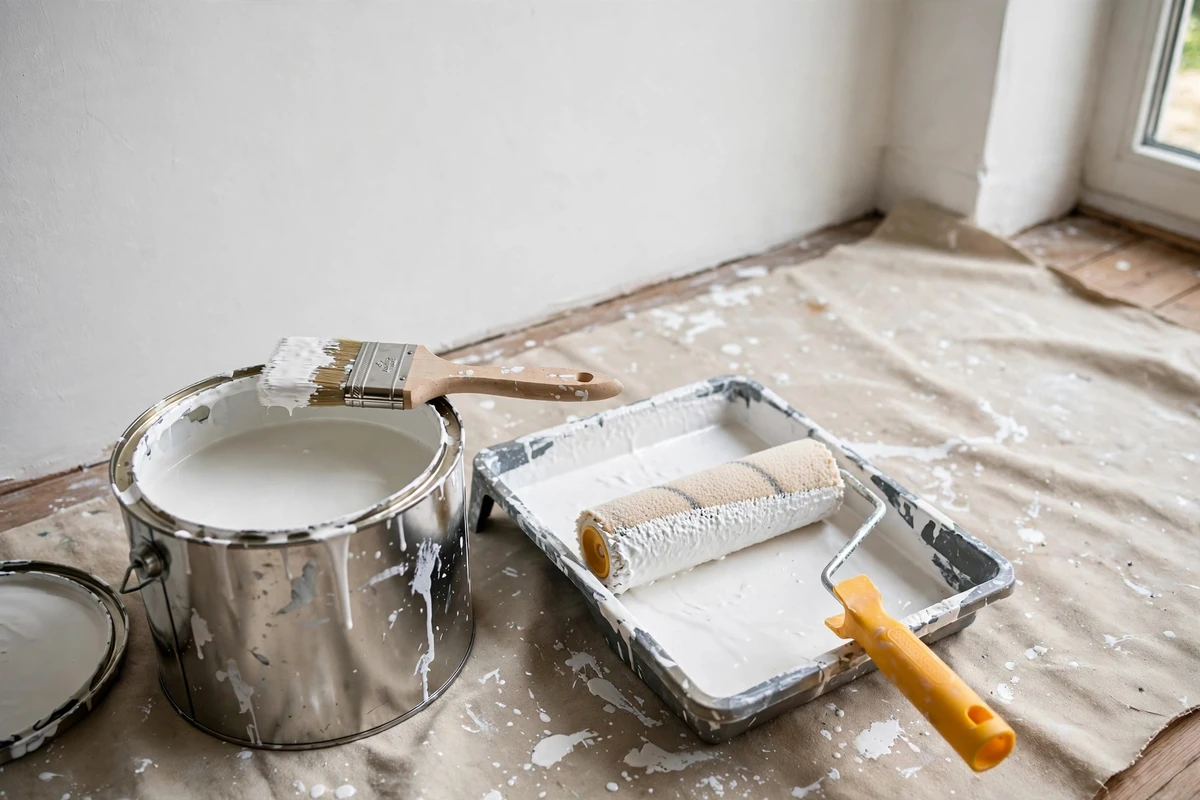
A mist coat is the thinned first coat on bare plaster. It dries fast on the surface, often in 1 to 2 hours. But do not rush the topcoat. Give the mist coat around 24 hours, or overnight, before you paint over it. The plaster underneath is still drying, and the mist coat needs time to grip.
In a warm, dry room, some decorators topcoat after 12 hours. In a cold or damp room, wait longer than 24 hours. If the mist coat still looks dark in patches, the plaster is still damp. Wait until the wall is a uniform pale colour all over. This step is covered in full in our guide to how many coats of emulsion on new plaster, which also covers the mist coat ratio and how much paint to buy.
How Long Before You Can Use the Room Again?
You can move furniture back once the final coat is touch dry, usually after 1 to 2 hours. But be gentle. Do not push heavy furniture against a fresh wall. Do not hang pictures for at least 24 hours. The paint is still soft, and a nail or a hook can crack it.
Wait 2 to 4 weeks before you wash the walls. Emulsion keeps curing for that long. Washing too soon can mark the finish or lift the paint. When you do wash it, use a soft cloth and mild soapy water. Do not scrub.
For bedrooms, you can sleep in the room the same night if the paint is water-based and the room is ventilated. Open a window for a few hours first. The smell fades fast with modern low-VOC emulsions. For nurseries, give it an extra day if you can.
Tips to Get the Timing Right
Start early in the day. Paint the first coat in the morning, so the second coat lands in the afternoon. That is the natural rhythm of a one-day painting job. If you start at 3 pm, the second coat will fall after dark, when the room cools and drying slows.
Keep coats thin. Load the roller lightly and roll off the excess in the tray. Thin coats dry faster and more evenly. They also hide roller marks better.
Ventilate, but do not create a gale. A window open a crack is ideal. A strong draught can dry the surface too fast and leave lap marks. Close the window if the wind picks up.
Warm the room before you paint. Turn the heating on low an hour before you start. Keep it on low while the paint dries. Do not blast hot air at a fresh wall, as that can crack the surface.
Finally, read the tin. Every tip in this guide is general. The tin in your hand is specific. If it says 4 hours, wait 4 hours. That one habit prevents most recoat problems, and it settles how long between coats of emulsion uk in almost every room you will paint. And if you are choosing paint for the job, our guide to Zinsser vs Dulux primer helps you pick the right first coat for tricky walls.
Frequently Asked Questions
How long between coats of emulsion on walls?
For most standard emulsions, the answer to how long between coats of emulsion uk is 2 to 4 hours. That covers vinyl matt, silk and soft sheen in a warm, ventilated room. Kitchen and bathroom emulsions usually need around 4 hours. Quick-dry emulsions can be ready in 1 to 2 hours. Always check the recoat time on your tin, as brands differ.
Can I recoat emulsion after 1 hour?
Only if the tin says so. Some quick-dry emulsions allow a 1-hour recoat. Standard emulsions do not. If you recoat a standard emulsion after 1 hour, the roller can drag or lift the first coat. The wall then looks patchy, and you need another coat to fix it. When in doubt, wait the full time on the tin.
What happens if you paint the second coat too soon?
The roller drags the soft first coat into ridges, or lifts it off the wall. The finish can turn patchy, with shiny and matt areas side by side. The fix is to let the wall dry fully, often overnight, sand any rough ridges lightly, then apply another coat. That turns a one-day job into a two-day job.
How long between a mist coat and the first topcoat?
Give a mist coat around 24 hours, or overnight, before the first topcoat. The mist coat may feel dry in 1 to 2 hours, but the plaster underneath is still drying. If the wall still shows dark patches, wait longer. Painting over a damp mist coat can trap moisture and cause peeling or mould.
How long does emulsion take to fully cure?
Emulsion is touch dry in 1 to 2 hours and ready to recoat in 2 to 4 hours. But it takes 2 to 4 weeks to fully cure. During that time, treat the walls gently. Do not scrub them, stick tape to them, or hang heavy items. After a fortnight, the paint reaches its full hardness and washability.