 by
by Sometimes the best way to plan your own home office is to see how others have done it. This roundup pulls together a range of home office inspiration setups, from minimal corners to fully kitted-out studies, to help spark ideas for your own space.
The Minimalist Corner Office
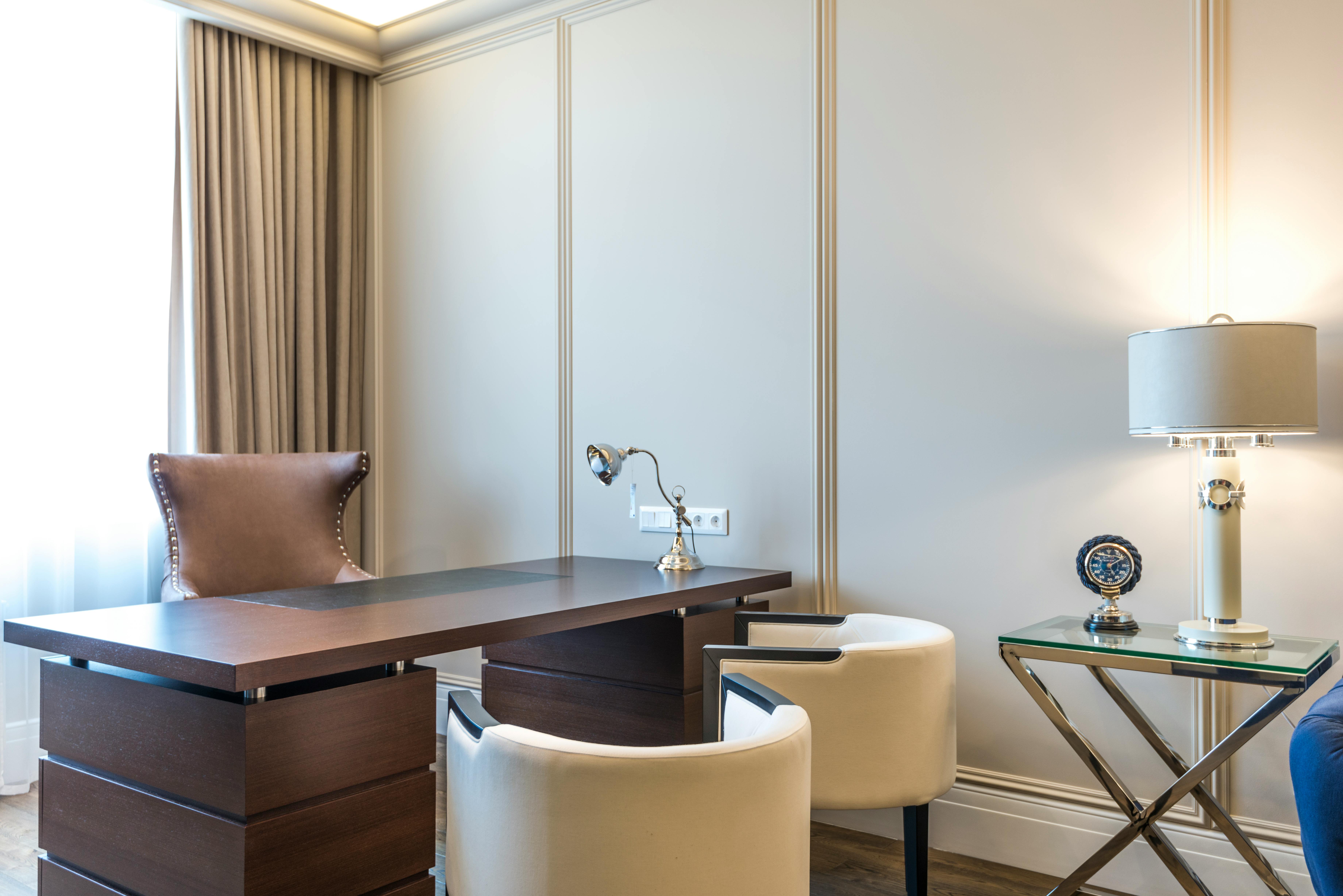
A single desk, one chair, and nothing else. This style works well for anyone who wants to avoid visual clutter and stay focused on the task at hand. Pairing it with a plain wall and a single piece of art keeps the look intentional rather than empty. See our small home office ideas guide for more compact setups like this.
The Warm, Layered Study
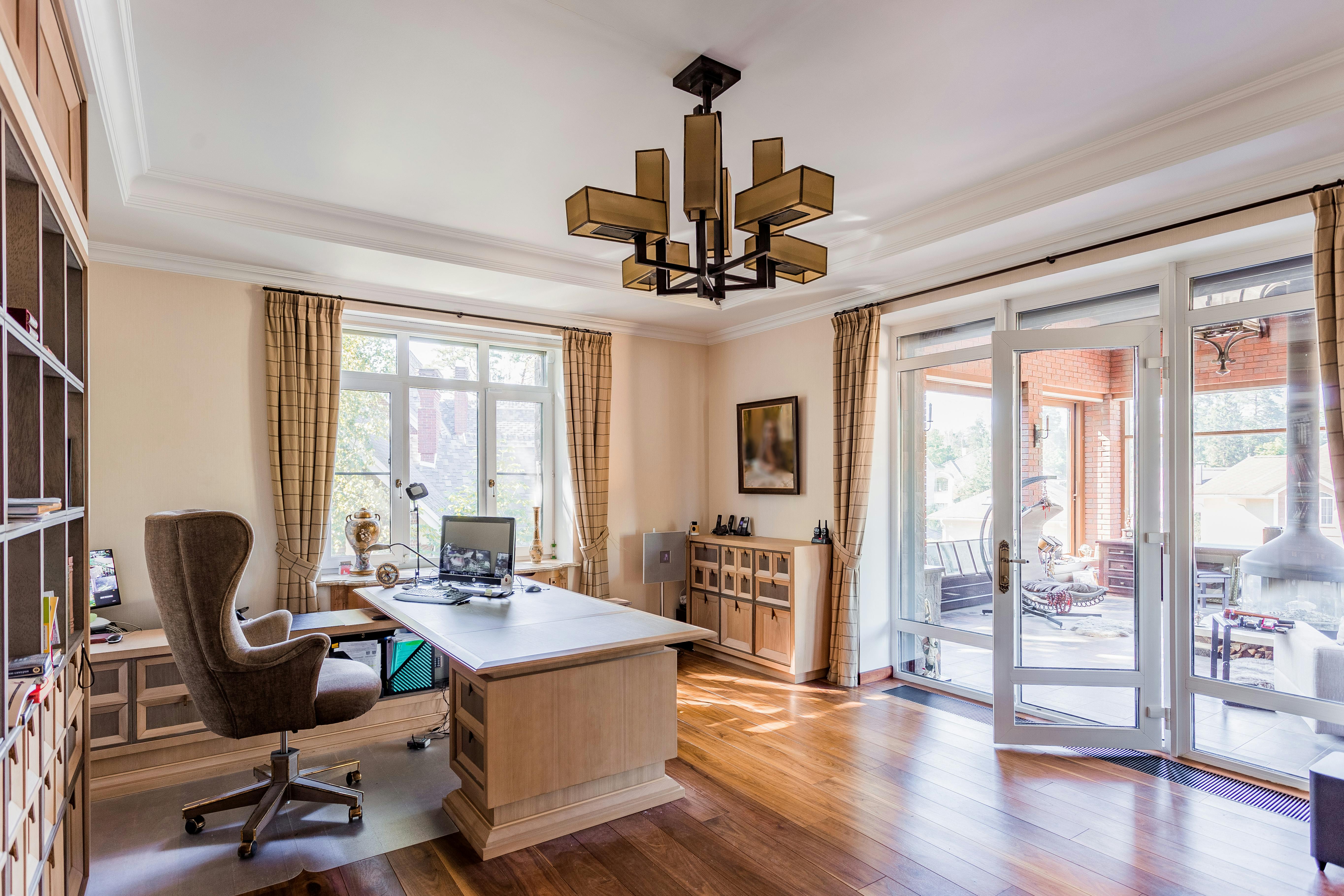
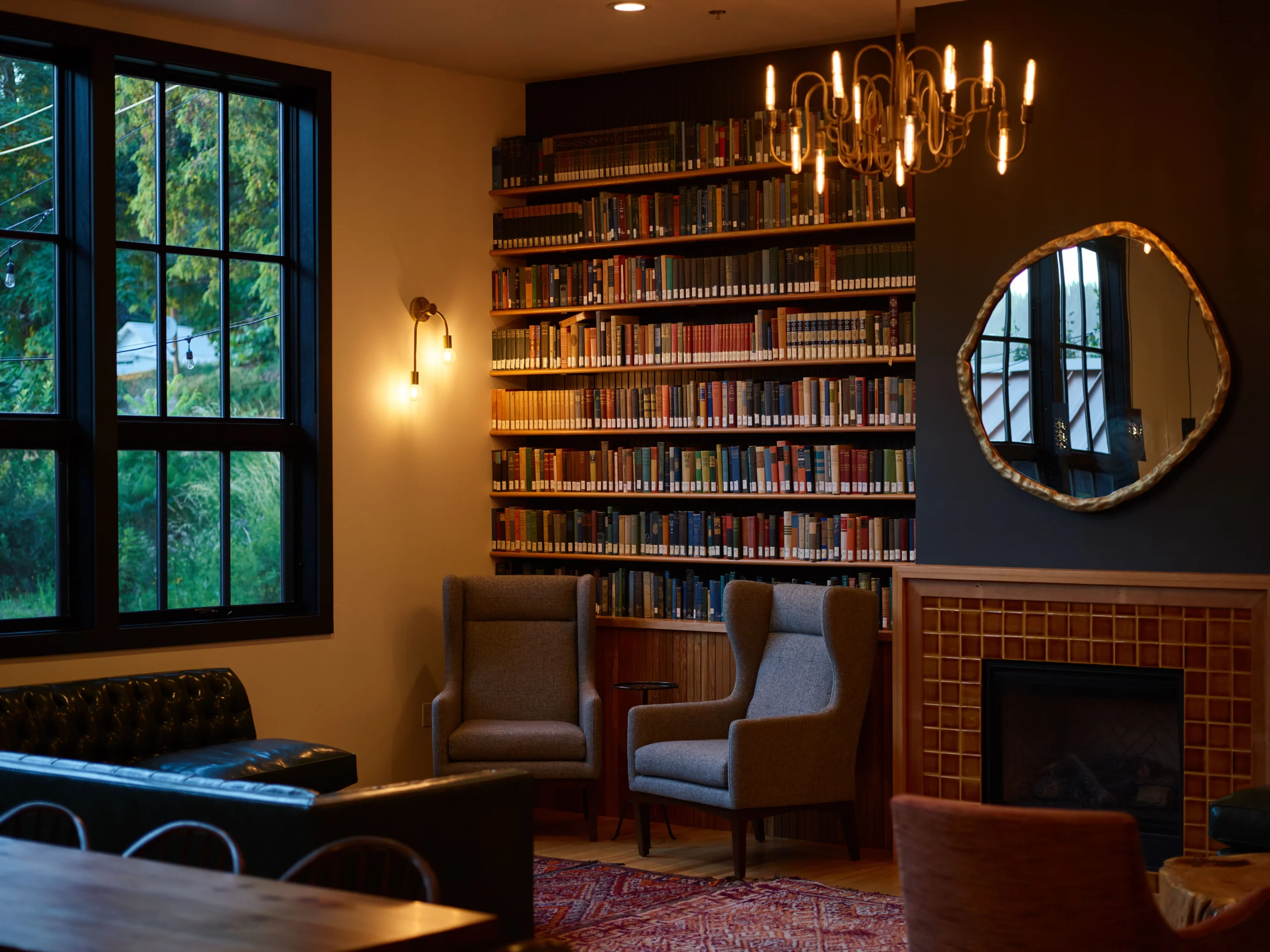
Bookshelves, warm lighting, and a mix of textures give this style a lived-in, cosy feel. It suits anyone who spends long hours reading or writing and wants the space to feel more like a personal retreat than a purely functional office.
The Bright, Plant-Filled Workspace
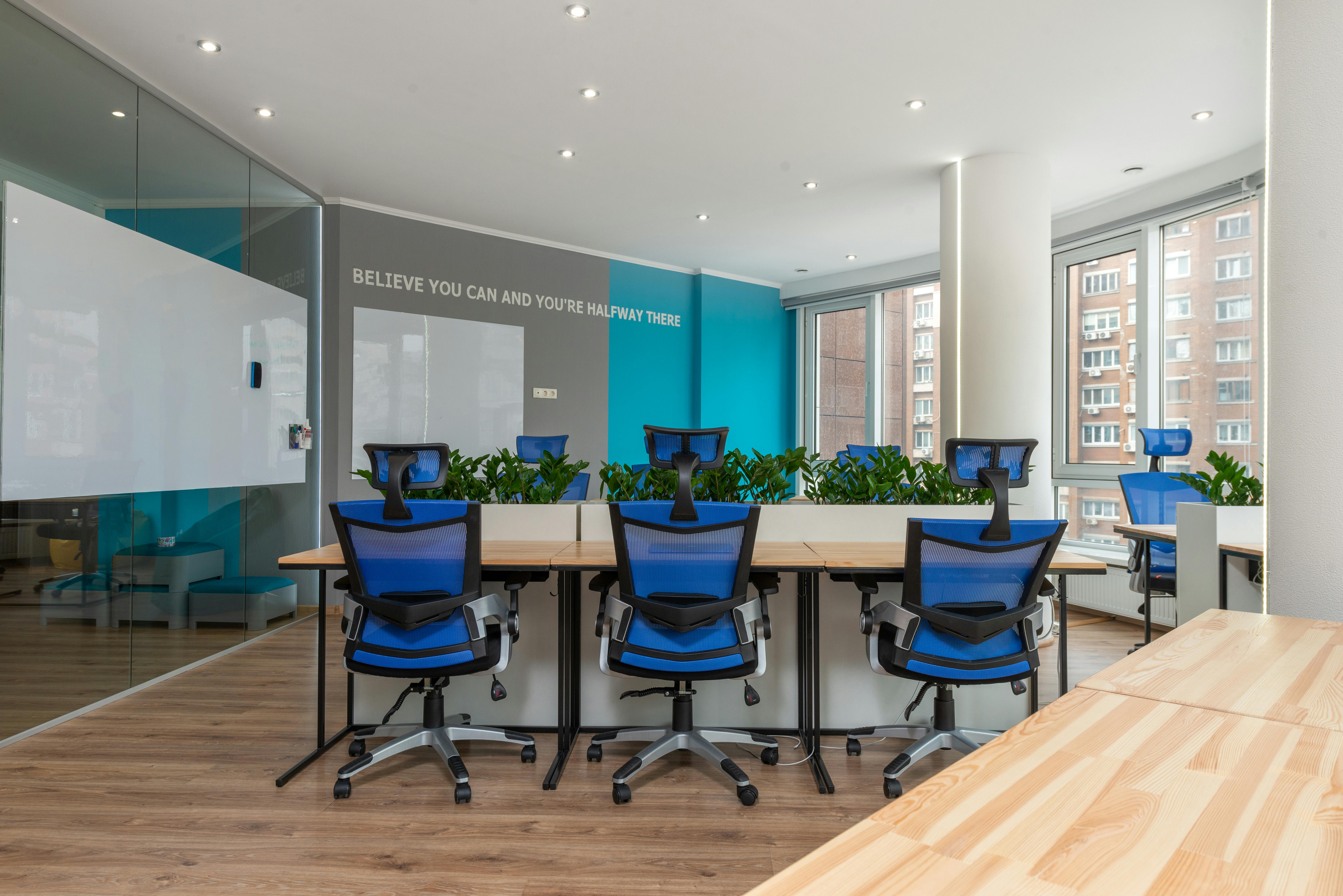
Positioned near a window, with several plants dotted around, this setup leans into natural light and greenery. It works particularly well for creative work, where an energising, fresh environment supports focus.
The Japandi-Inspired Workspace
Blending Japanese minimalism with Scandinavian warmth, a Japandi-style office favours natural wood, uncluttered surfaces, and a muted, neutral palette. It suits anyone wanting a calm, distraction-free space without feeling clinical.
The Dual-Monitor Productivity Setup
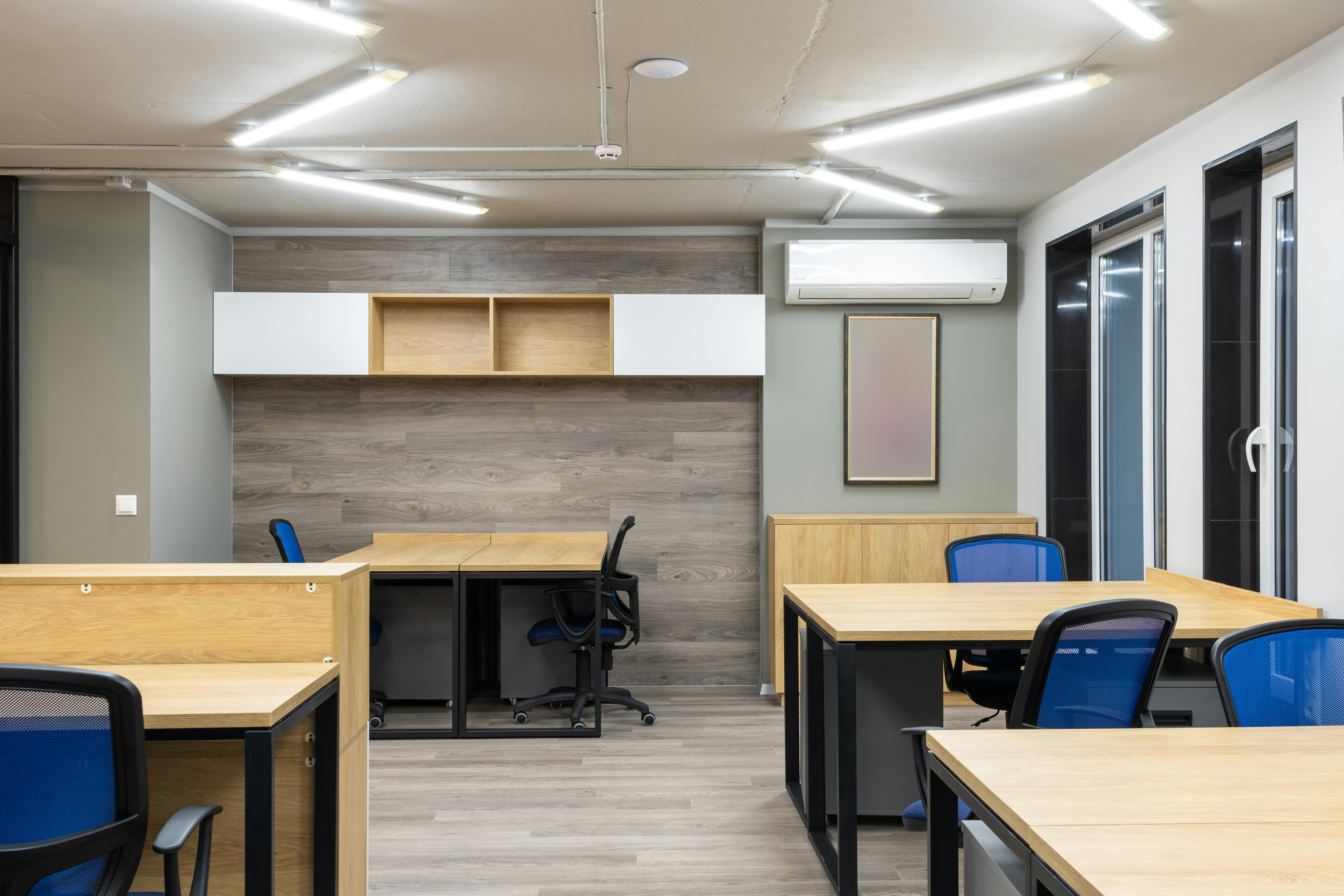
Built around function, this setup prioritises a wide desk, dual monitors, and cable management above all else. It suits anyone doing detailed, screen-heavy work where efficiency matters more than styling. Our desk buying guide covers sizing for setups like this.
The Multi-Purpose Guest Room Office
A fold-away desk, a daybed instead of a full guest bed, and closed storage for office supplies let this room switch between office and guest space as needed. It’s a practical option for smaller homes without a dedicated spare room.
The Statement Colour Office
Rather than sticking to neutral tones, this setup uses a bold accent wall or furniture piece to make the space feel distinct from the rest of the home. For more on choosing colours and finishes with intention, see our home office design guide.
Taking Inspiration Without Copying Exactly
The best home office setups borrow ideas from several styles rather than copying one exactly. Take the layout tricks from one, the colour approach from another, and adapt them to your own space and daily routine. For a full step-by-step planning approach, our home office ideas guide ties everything together.
The Dark Academia Study
Moody, literary, unapologetically atmospheric: dark academia pairs deep greens or oxblood walls with brass lamps, leather-bound books and vintage wood furniture. It suits small studies and box rooms where darkness feels cosy rather than oppressive — embrace the gloom instead of fighting it. Keep lighting warm and layered (desk lamp, wall sconce, candle-style LEDs) since the palette absorbs light. This is a look with strong opinions; commit fully or not at all, because half-hearted dark academia just looks dim.
The Biophilic Office: Designing Around Plants
Biophilic design weaves nature into the workspace rather than adding a token succulent. Think a living wall or large plant cluster as the backdrop, natural materials (oak, rattan, linen), and maximised daylight. Snake plants, monsteras and peace lilies tolerate typical office conditions. The evidence base is decent — studies associate biophilic workspaces with lower stress and higher reported wellbeing. Maintenance is the catch: choose plants matching your actual watering discipline, not your aspirations.
Small-Budget Transformations: Before-and-After Thinking
The most dramatic office makeovers cost least when they follow a formula: paint + light + declutter. A £30 tin of paint on one wall, a £25 daylight bulb in a repositioned lamp, and a ruthless clear-out transform more than £300 of new accessories. Photograph the “before” — the contrast motivates the work and the result genuinely surprises. Second-hand marketplaces supply the rest: solid wood desks under £50 are common if you can collect.
Copying High-End Looks for Less
Designer home offices photograph beautifully and cost terrifyingly — but the look decomposes into replicable parts. A £2,000 oak desk becomes a £80 second-hand table plus £20 of Danish oil. Designer task chairs have high-street silhouettes at a tenth the price (comfort differs; test first). Gallery walls need frames, not expensive art — prints from independent artists cost little. The secret of high-end looks is restraint and cohesion, both free: fewer objects, one palette, consistent materials.
When Inspiration Becomes Procrastination
A gentle warning: endless inspiration browsing is not office design. If you have spent more hours saving images than arranging furniture, stop. Set a deadline, pick the best three ideas, and implement them this weekend with what you can afford now. A finished £150 setup you actually work in beats a £2,000 mood board forever. Inspiration should start projects, not replace them. For practical layout foundations beneath the style, see our home office ideas guide.
Frequently Asked Questions
Where can I find more home office inspiration?
Interior design blogs, home renovation accounts, and property styling websites are all good sources of real-world home office setups.
Should I follow one style exactly?
Not necessarily. Combining elements from different styles, adapted to your space and needs, usually creates a more personal and practical result.
What’s the easiest way to update a tired home office look?
Changing lighting, adding a plant, or introducing one new accent colour are all low-cost ways to refresh a space without a full redesign.
How can I make my home office look nice on a budget?
Paint one wall, upgrade lighting, declutter ruthlessly and add one plant. These four moves — under £100 total — transform most home offices more than new furniture.
What is the most productive home office setup?
Research points to: ergonomic chair, external monitor at eye level, good task lighting, and minimal visual clutter. Style matters less than these fundamentals.
How do I choose a style for my home office?
Start from what calms or energises you — look at rooms you already love. Then commit to one palette and repeat it across furniture, textiles and accessories for cohesion.
Related Home Office Guides
- Home Office Ideas: The Complete Setup Guide
- Small Home Office Ideas for Compact Spaces
- How to Design a Home Office That Actually Works
- Choosing the Right Desk for Your Home Office