 by
by A water filter for home use can make a noticeable difference to taste, smell, and, in some cases, water safety. With so many types on the market, though, it’s easy to end up choosing the wrong one for your household. This guide breaks down the main options and how to choose between them.
Why Homeowners Install a Water Filter
The most common reasons are improving taste, reducing limescale, and removing chlorine or sediment. In hard water areas particularly, a filter can noticeably improve both the taste of drinking water and the performance of kettles and appliances over time. In the UK, drinking water quality is regulated by the Drinking Water Inspectorate (DWI), so a home filter is generally about preference rather than addressing unsafe water.
Main Types of Home Water Filters
- Jug filters – affordable and easy to use, though limited in capacity and filtration power
- Under-sink filters – fitted directly to the cold water line, offering filtered water on demand
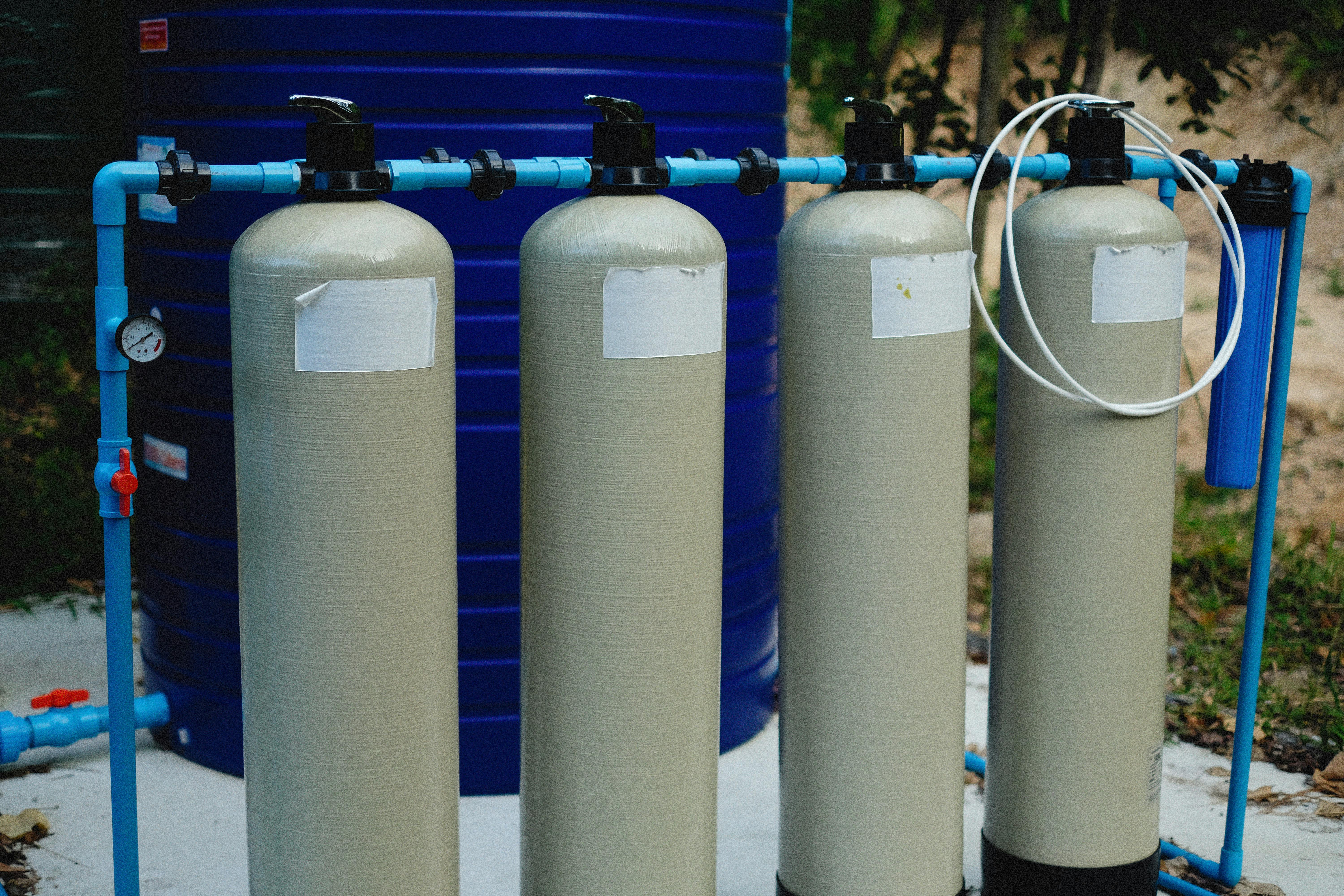
- Whole-house filtration systems – filter water as it enters the property, covering every tap
- Reverse osmosis systems – provide the most thorough filtration, removing a wide range of contaminants
For a closer look at how reverse osmosis systems specifically work, see our reverse osmosis systems for the home guide.
What Do Home Water Filters Actually Remove?
Most filters target chlorine, sediment, and limescale-forming minerals. More advanced systems can also reduce heavy metals, pesticides, and certain bacteria, though the exact contaminants removed depend on the filter type and quality. Look for filters independently certified to NSF/ANSI standards, which test and verify these contaminant reduction claims.
Whole-House Filtration Systems Explained
Unlike a single tap or jug filter, a whole-house system treats water as it enters your home, so every tap, shower, and appliance benefits. For a full breakdown of how these systems work and what installation involves, see our home water filtration systems guide.
Do You Need a Water Softener Too?
Filtration and softening solve different problems. A filter improves water quality and taste, while a softener specifically reduces limescale caused by hard water. In many hard water areas, homeowners use both. Our water softener guide covers whether one is worth adding to your home.
Installation and Maintenance
Jug and simple tap filters need no installation and just require regular cartridge changes. Under-sink and whole-house systems typically need professional installation, along with periodic filter replacement, usually every 3-12 months depending on the system and water usage. Any plumbed-in system should carry WRAS approval, confirming it meets UK Water Regulations for safe connection to the mains supply.
How to Choose the Right Filter for Your Home
- Consider your local water hardness and any known quality issues
- Decide whether you need filtered water at one tap or throughout the home
- Factor in ongoing costs, such as replacement cartridges or membranes
- Check certification standards where water safety is a specific concern
Understanding Microns: What Filter Ratings Mean
Filter specs quote micron ratings — the particle size captured. A 20-micron sediment filter catches visible rust and sand; a 1-micron carbon block tackles much finer particles; 0.1-micron approaches bacterial sizes. Smaller is not automatically better: ultra-fine filters clog fast as pre-filters and need staged coarser filters upstream. Match the rating to the job — drinking-water polishing wants 1 micron or finer; whole-house pre-filtration is happy at 20.
Filter Lifespans: When to Replace What
Every filter type has its rhythm. Sediment pre-filters: 3–6 months. Carbon cartridges: 6–12 months. RO membranes: 2–3 years. UV lamps: 12 months regardless of use. Mark replacement dates on installation — overdue filters do not just stop working, they can harbour bacteria and release trapped contaminants. If water flow drops noticeably, the pre-filter is clogged; if taste returns, the carbon is spent. Your senses are a decent early-warning system.
Countertop vs. Under-Sink: Honest Trade-Offs
Countertop filters need no plumbing, cost £30–£150, and move with you — ideal for renters. The price is counter space and slower flow. Under-sink systems hide away, filter faster, and can include multiple stages, but need installation and stay with the property. For most homeowners, under-sink wins on daily convenience; for renters or the commitment-shy, countertop delivers 80% of the benefit for 20% of the hassle.
Do Water Filters Remove Fluoride?
Most do not. Standard carbon filters leave fluoride untouched — it takes reverse osmosis, distillation or specialist alumina filters to remove it. Whether that matters depends on your view: UK fluoridation is limited to parts of the West Midlands and East, and levels are low. If fluoride removal is your goal, say so explicitly when choosing — buying a carbon filter and hoping is the common disappointment.
Renting? Your Filtration Options
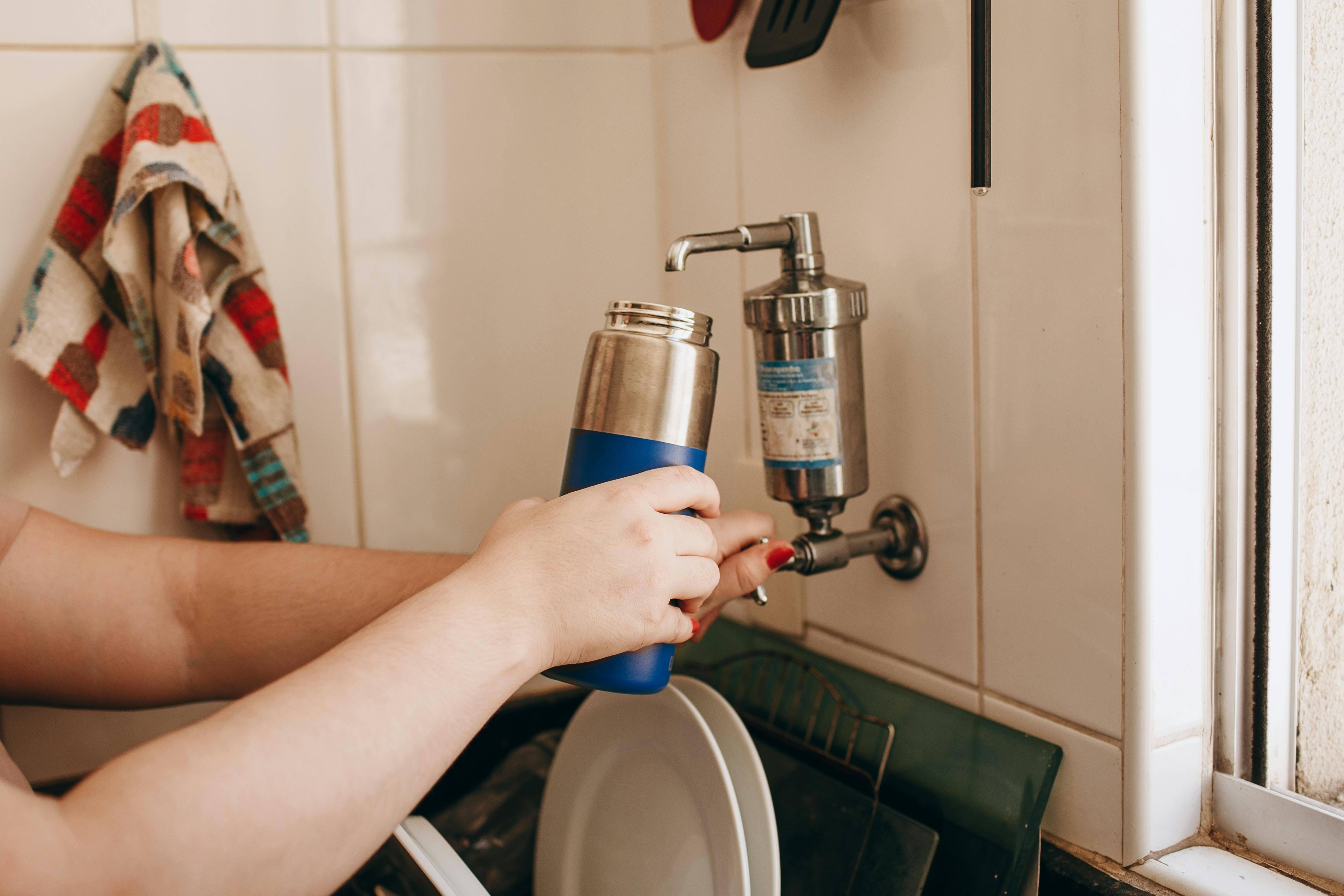
Tenants have solid choices that need no landlord permission. Jug filters handle taste for under £30. Countertop gravity systems filter well with zero plumbing. Tap-attached filters that screw onto the existing spout move with you in minutes. Avoid anything requiring pipe modification without written consent — and keep original fittings. For whole-property approaches when you own, see our whole-home filtration guide.
Frequently Asked Questions
Do I really need a water filter in the UK?
UK tap water is generally safe to drink, so a filter is more about improving taste and reducing limescale than addressing safety concerns in most areas.
How often should I change a water filter?
This varies by system, but most jug filters need changing monthly, while under-sink and whole-house filters often last several months to a year.
Is a whole-house filter worth the cost?
For households with poor water quality or heavy limescale issues, many find the consistent, whole-home coverage worth the higher upfront cost.
What is the best water filter for home use in the UK?
For most households, an under-sink multi-stage carbon filter hits the sweet spot of taste improvement and convenience. Add reverse osmosis only if tests show specific dissolved contaminants.
Do home water filters remove limescale?
Standard carbon and sediment filters do not — limescale needs a water softener or scale inhibitor. Do not buy a filter expecting softer water.
How often should you change a water filter?
Sediment filters every 3–6 months, carbon cartridges every 6–12 months, RO membranes every 2–3 years. Overdue filters can worsen water quality, so set reminders.