 by
If you want a real timber floor in a UK home, the choice is rarely between wood and something else. It is between two kinds of real wood floor: engineered wood and solid wood. In addition, both put genuine timber underfoot, and once laid they can look almost identical. The difference is in how the boards are built, how they behave in centrally heated homes, what they cost, and how long they last. This guide compares engineered and solid wood flooring on every factor that matters — construction, stability, cost, lifespan, fitting, underfloor heating, and which rooms suit which — so you can choose with confidence.
What Is Engineered Wood Flooring?
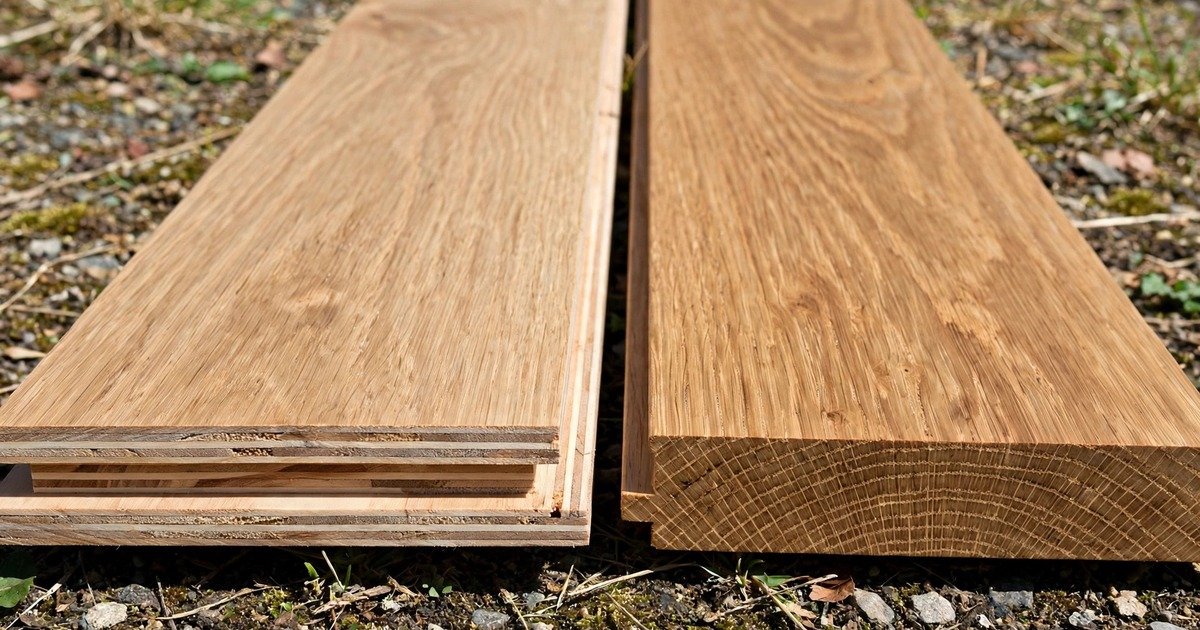
Engineered wood is a real hardwood veneer — usually oak, typically 2–6mm thick — bonded to a core of cross-layered plywood or HDF (high-density fibreboard). Furthermore, total board thickness is typically 14–20mm. You walk on real wood; the layered core underneath is what gives the board its stability. The wear layer is the same hardwood you would find on a solid board, with the same grain and texture. The difference is entirely underneath: instead of one solid piece, several layers run in different directions, and that cross-graining stops the board moving as one piece.
Is engineered wood real wood? Yes. The top layer is genuine hardwood, not a printed image — that is laminate, a different product altogether (see our LVT vs laminate flooring comparison). Only the core is engineered, and that core is usually wood layers too.
What Is Solid Wood Flooring?
Solid wood flooring is exactly what it sounds like: planks milled from a single piece of timber, typically 18–22mm thick, with tongue-and-groove edges. The same species — usually oak, ash or walnut — runs all the way through the board. A quick note on words: American sources call this “hardwood flooring”. In the UK it is “solid wood”. It is the same product, and most of the “engineered vs hardwood” comparisons you will find online are asking this exact question.
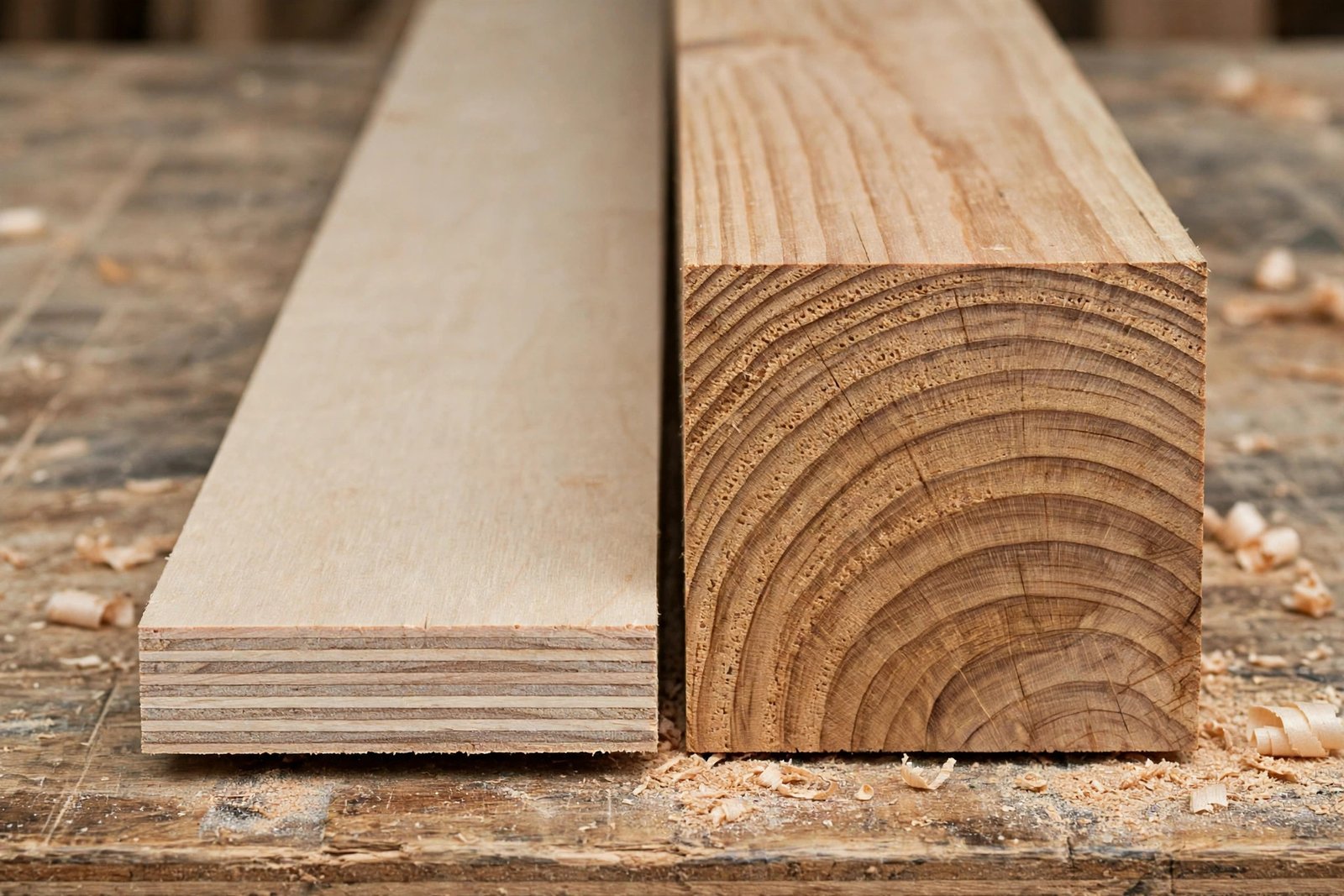
Engineered vs Solid Wood at a Glance
| Factor | Engineered wood | Solid wood |
|---|---|---|
| Construction | Real hardwood veneer (2–6mm) on plywood/HDF core | Single piece of timber, full depth |
| Total thickness | Typically 14–20mm | Typically 18–22mm |
| Stability | High — layered core resists movement | Moves with humidity and heat |
| Underfloor heating | Generally suitable | Not recommended |
| Fitting | Float, glue or nail; faster | Nail or glue; needs 2–3 weeks acclimatisation |
| Refinishing | 1–3 times, depending on wear layer | 3–5+ times over its life |
| Typical lifespan | 20–30 years with care | 30+ years with care |
| Typical supply cost | £30–£60/m² for engineered oak | £50–£100+/m² for solid oak |
| Best for | Ground floors, kitchens, UFH, flats | Stable first-floor rooms, period homes |
Stability: Why Engineered Wins in UK Homes
This is the decisive factor in UK homes. Solid wood expands and contracts significantly with humidity changes — in centrally heated houses it can cup, gap and creak, especially over underfloor heating or on ground floors. Winter heating dries the air and planks shrink; in contrast, summer humidity swells them. Engineered wood’s cross-layered core resists this movement, making it far more stable. Most professional fitters now recommend engineered for ground floors, kitchens and any room with underfloor heating, and for flats with concrete subfloors where you cannot nail solid wood down easily.
Cost Compared
Engineered is usually cheaper like-for-like, on both materials and fitting. The figures below are typical UK ranges for oak; species, grade and retailer move them up or down, so treat them as a guide and get two or three quotes before you buy.
| Cost (typical, oak) | Engineered wood | Solid wood |
|---|---|---|
| Materials (supply only) | £30–£60/m² | £50–£100+/m² |
| Fitting | £15–£35/m² | £25–£50/m² |
| Supply + fit, 20m² living room (mid-range) | Roughly £1,000–£1,900 | Roughly £1,600–£3,000 |
On top of that, budget for extras on either floor: underlay or adhesive, floor preparation, and skirting or beading to cover the expansion gap (our laminate beading vs scotia guide explains the trim choice, and the same trims apply to wood floors). If you are comparing whole-room costs, our laminate flooring cost per m² fitted guide shows how fitters usually break a quote down. However, remember that cost is only one side of the comparison — a cheaper floor that needs replacing in 15 years is not cheaper than a dearer one that lasts 30.
Lifespan, Refinishing and Durability
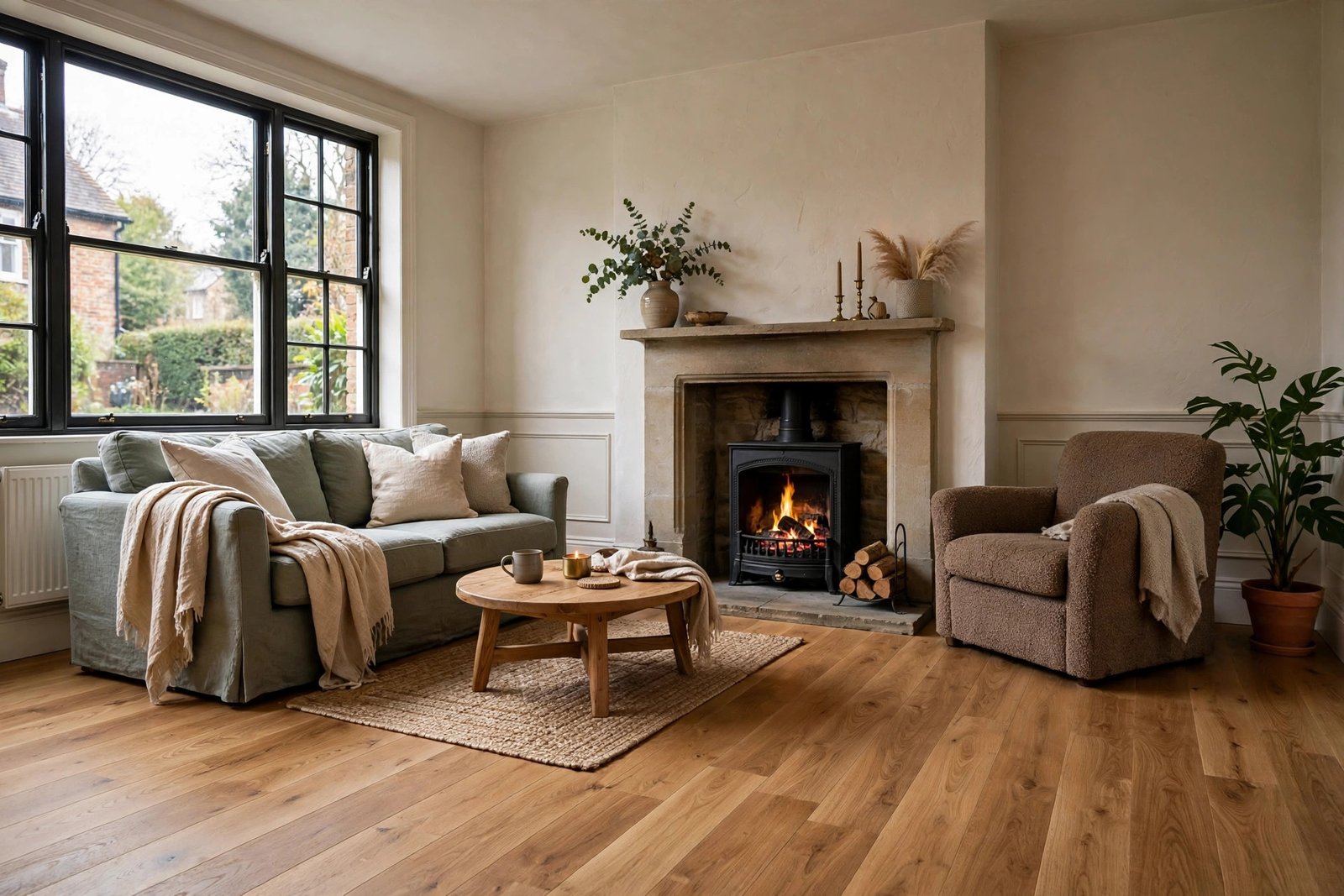
Solid wood wins on lifespan in theory: with 18–22mm of timber to work with, you can sand and refinish it many times over decades, and a well-kept solid floor can outlast the house. Engineered wood’s limit is its wear layer. A 2mm veneer usually cannot take sanding at all; a 4mm wear layer takes two or three sands; a 6mm wear layer three or four times.
In practice, a quality engineered floor with a 4mm or thicker wear layer typically lasts 20–30 years — longer than most people stay in one home — so the refinishing advantage of solid matters most if you plan to stay put for decades. Day to day, durability is similar: the surface is the same hardwood with the same finishes, so both need the same care — sweep regularly, damp-mop rather than wet-mop, wipe spills promptly, use felt pads under furniture, and never use a steam mop on either.
Fitting and Installation
Engineered wood is the more flexible floor to fit. It can be floated over underlay, glued down, or nailed, it usually needs only a few days of acclimatisation, and it can go over concrete subfloors with a damp-proof membrane and the right underlay. A floating engineered floor is also the friendlier DIY job. Solid wood is a fitter’s job for most people: a fitter must nail it to a timber subfloor or battens, or glue it down, it needs two to three weeks of acclimatisation in the room, it cannot be floated, and gluing it to concrete rarely works. Whichever you choose, the subfloor must be flat, dry and clean before a single board goes down.
Underfloor Heating: Engineered Is the Safe Choice
Solid wood and underfloor heating are a poor match. Heat dries timber from below, increasing the risk of shrinkage, gapping and cracking, and most manufacturers advise against it. In contrast, engineered wood is far more relaxed about it: its layered core copes with gentle, consistent heat, and its thinner profile lets warmth pass into the room more efficiently. Finally, keep the floor surface temperature at or below 27°C and follow the board manufacturer’s guidance. If you are costing a heated floor, see our underfloor heating cost per m² guide.
Which Rooms Suit Which?
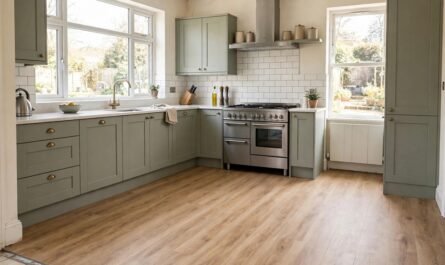
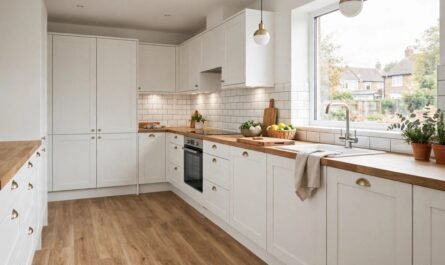
- Kitchen: engineered — stability plus spills wiped fast. See our best flooring for kitchens guide.
- Bathroom: neither is ideal — timber hates standing water and steam. LVT is the safer choice; see can you lay LVT over tiles.
- Ground floor, concrete subfloor, basement: engineered only. Solid wood cannot go below ground level, and you cannot easily fix it to concrete.
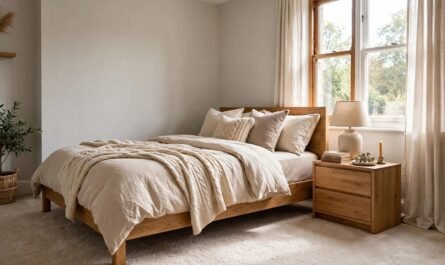
- Bedroom: either works. If you are torn between wood and carpet, see carpet vs hard floor in the bedroom — and if carpet wins, our 3-bed house carpet cost guide has the numbers.
- Hallway and high-traffic areas: either, with a mat at the door and a thick wear layer if you choose engineered.
- Homes with dogs or children: pick a harder species with a matte finish, and keep claws trimmed. See our best flooring for dogs guide.
Engineered vs Solid Oak
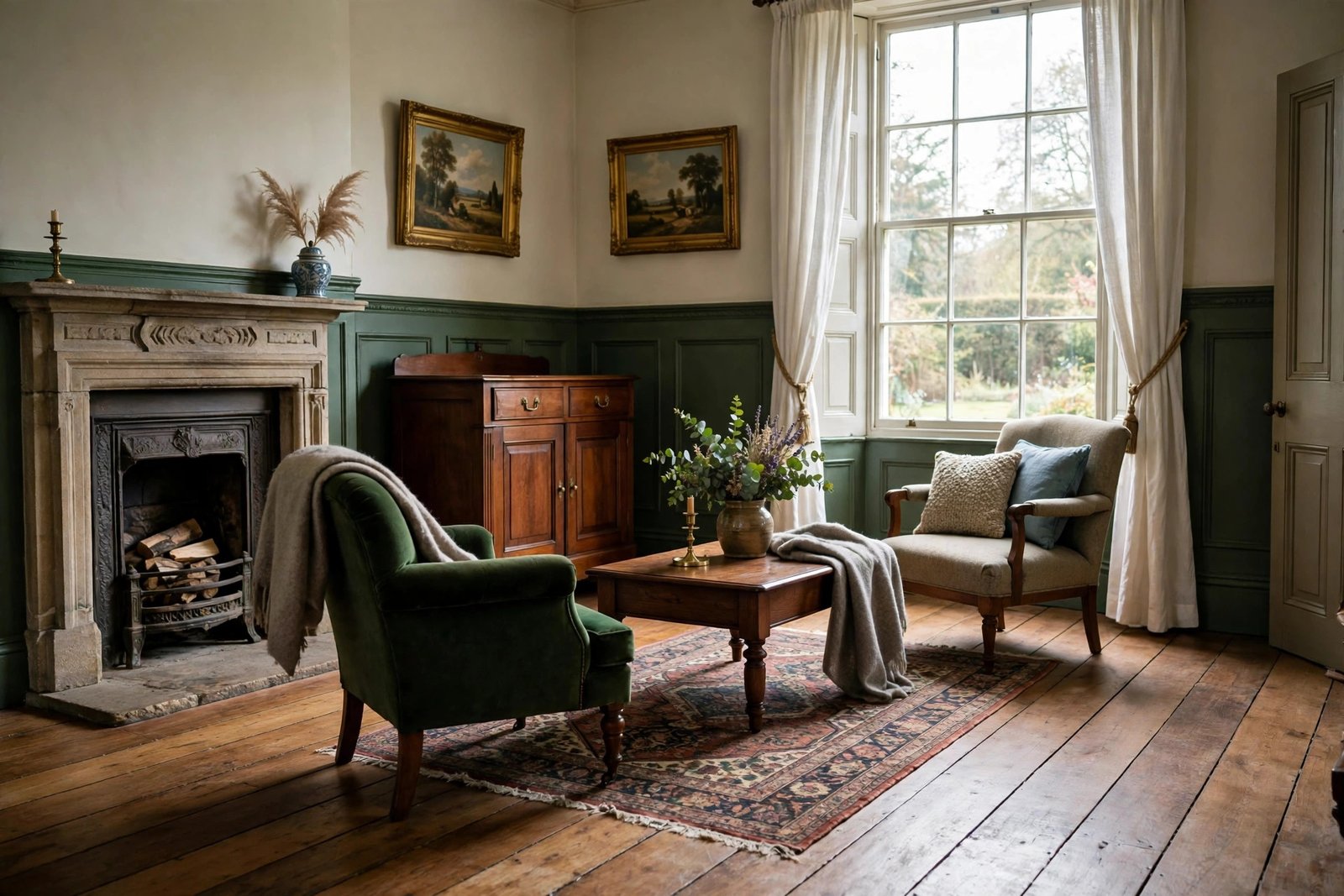
Most wood floors sold in the UK are oak, so this comparison is usually an oak comparison. Engineered oak is a 2–6mm oak veneer on a stable core; solid oak is oak all the way through. Grades — prime, select, rustic — describe appearance, not strength: rustic has more knots and colour variation, prime is cleaner and dearer. Herringbone and parquet patterns are available in both, and engineered herringbone is the more stable of the two. If you are choosing between the big LVT brands instead, our Karndean vs Amtico comparison covers that decision.
Which Should You Choose?
Choose engineered wood if: you have underfloor heating; the room is on the ground floor or a concrete subfloor; you want real wood in a kitchen or open-plan space; you want wide planks; you want the work done faster; or your budget is tight.
Choose solid wood if: the room is a stable first-floor room with a timber subfloor; you live in a period property and want the traditional floor; you want to sand and refinish the floor many times over 30+ years; or you simply prefer a fully natural, single-piece timber product.
Consequently, for most UK homes, engineered wood is the practical default — it looks the same, costs less, fits in more rooms, and copes with British heating and humidity. Solid wood is the long-life choice for the right room.
Pros and Cons
Engineered wood — pros: stable in UK conditions; works with underfloor heating; can be floated, glued or nailed; usually cheaper to buy and fit; faster installation. Cons: limited refinishing; you cannot sand thin veneers; cheaper HDF-core boards are less robust than plywood-core boards.
Solid wood — pros: can be refinished many times; longest lifespan; fully natural single-piece timber; suits period homes. Cons: moves with humidity; not suitable for underfloor heating; slower and costlier to fit; needs weeks of acclimatisation; not for concrete subfloors or below ground.
Frequently Asked Questions
Is engineered wood real wood?
Yes. The wear layer is genuine hardwood — oak in most UK homes — with real grain and texture. Only the core underneath is layered, and that core is usually wood layers too.
Which lasts longer, engineered or solid wood?
Solid wood, in theory, because it can be sanded many more times. In practice a quality engineered floor with a 4mm or thicker wear layer typically lasts 20–30 years, which is longer than most owners stay in one home.
Can engineered wood go over underfloor heating?
Yes, generally. Keep the floor surface temperature at or below 27°C and follow the manufacturer’s guidance. Avoid solid wood over underfloor heating.
Can you sand engineered wood?
Yes, if the wear layer is thick enough — 4mm allows two or three sands, 6mm allows three or four. You usually cannot sand a 2mm veneer.
Is engineered wood cheaper than solid wood?
Usually, like-for-like, on both materials and fitting. Mid-range engineered oak typically runs £30–£60/m² supplied, against £50–£100+/m² for solid oak.
Engineered wood or laminate — which is better?
They are different products. Engineered wood is real timber; laminate is a printed image of wood under a wear layer. Engineered looks and feels like wood because it is wood; laminate is cheaper and harder-wearing against scratches. See our LVT vs laminate guide for the budget end of the market.
Is solid wood flooring better than engineered?
Not universally. Solid is better for refinishing and maximum lifespan; engineered is better for stability, underfloor heating, ground floors and most modern UK homes. The right answer depends on the room.
The Bottom Line
Both are real wood floors, and both can look beautiful for decades. If you want the safe, practical choice for a modern UK home — underfloor heating, ground floor, kitchen, or a concrete subfloor — buy a quality engineered floor with a wear layer of 4mm or more, from a reputable supplier, and have it fitted well. If your room is stable, dry and upstairs, and you want a floor you can refinish for the next generation, solid wood is worth the extra money. Either way, the board matters less than the fitting: a good floor badly fitted will always disappoint. See our complete flooring guide for everything else.