 by
You have stripped the old wallpaper, and now the walls underneath are a mess: patches of filler, hairline cracks, uneven plaster and the odd bit of old adhesive. There are two ways to get a smooth, paint-ready wall — hang lining paper, or get a plasterer in to skim it. Both work, but they cost very different amounts, take very different amounts of time, and suit very different walls.
This guide compares lining paper vs skimming plaster properly for UK homes: what each one is, what each costs, which gives the better finish, how long each takes to dry, and which one suits your walls. It also covers the question everyone asks next: can you just paint over the old wallpaper instead?
What Is Lining Paper?
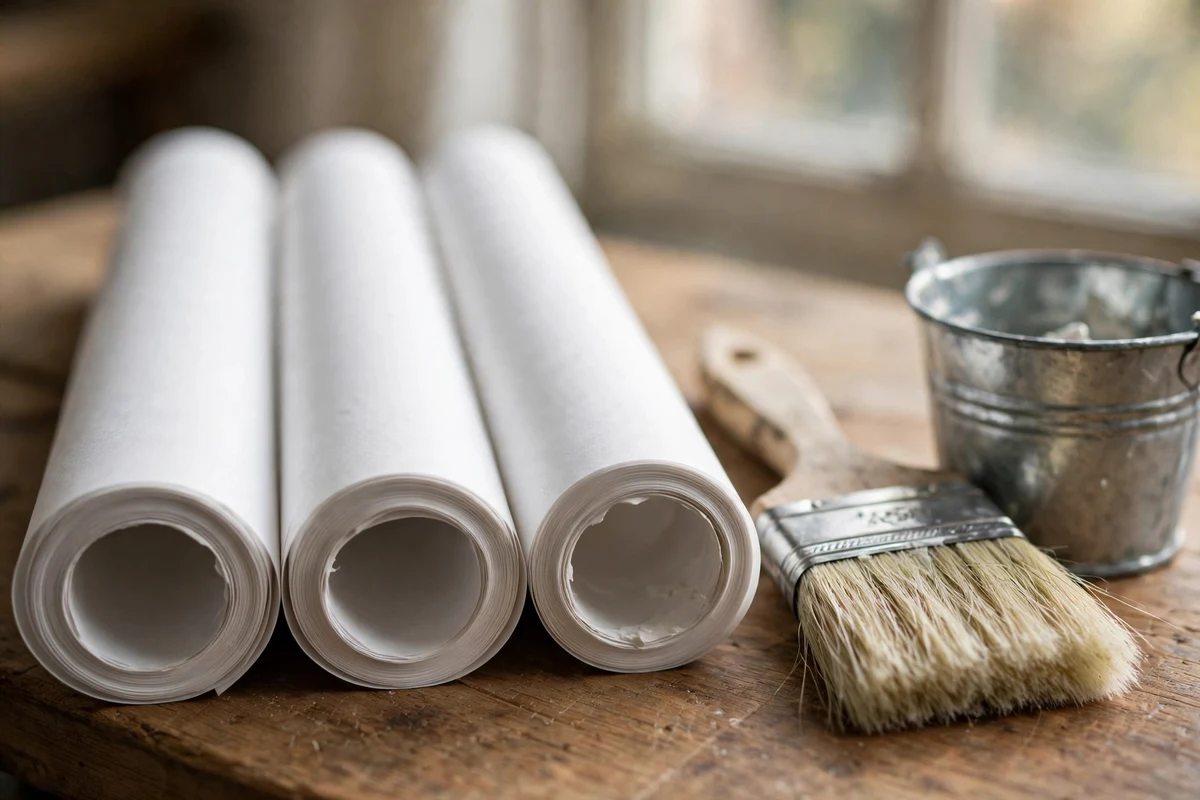
Lining paper is a thick, plain paper that is pasted onto a wall before painting or wallpapering. It comes in grades — 1200, 1400, 1700 and 2000 — and the higher the number, the thicker and heavier the paper. A 1200 grade is a lighter paper for fairly good walls; a 1700 or 2000 grade is a heavy paper that hides more imperfections.
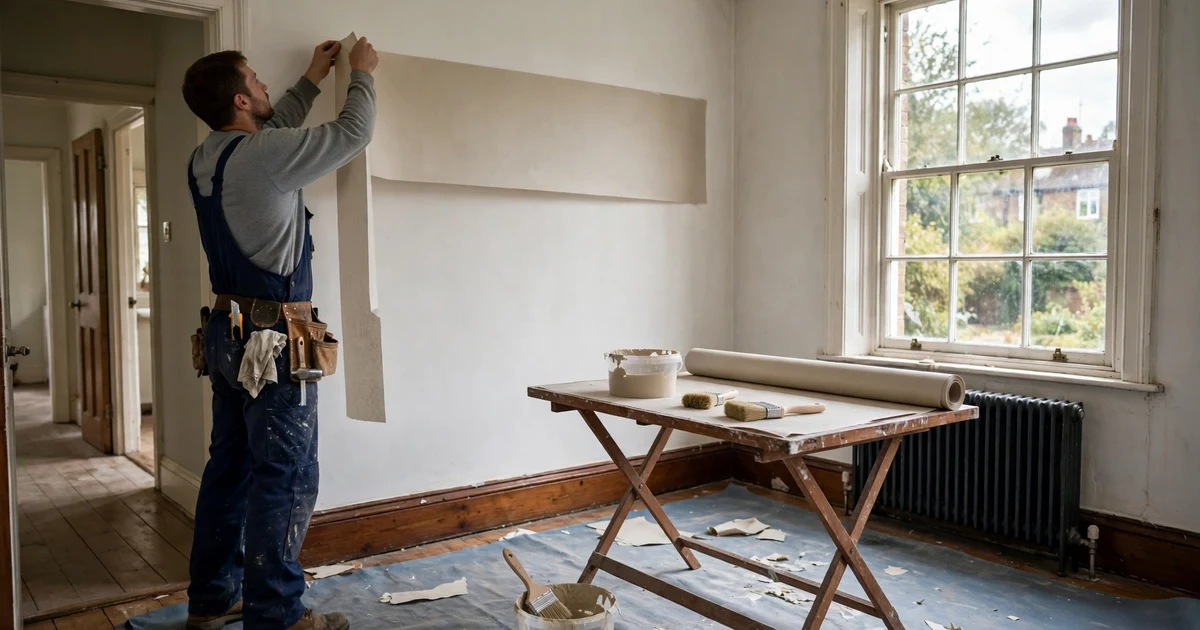
There are two types. Traditional lining paper is pasted on the back, left to soak, then hung. Paste-the-wall lining paper — usually a non-woven fibre liner — is hung dry onto a pasted wall, which is quicker and easier for a DIYer. Both are painted over once dry, usually with two coats of emulsion. Lining paper does not fix a wall; it covers minor imperfections and gives a consistent surface to paint on. It will not hide a blown (hollow-sounding) patch of plaster, a big dent, or a wall that is badly out of level.
What Is Skimming Plaster?
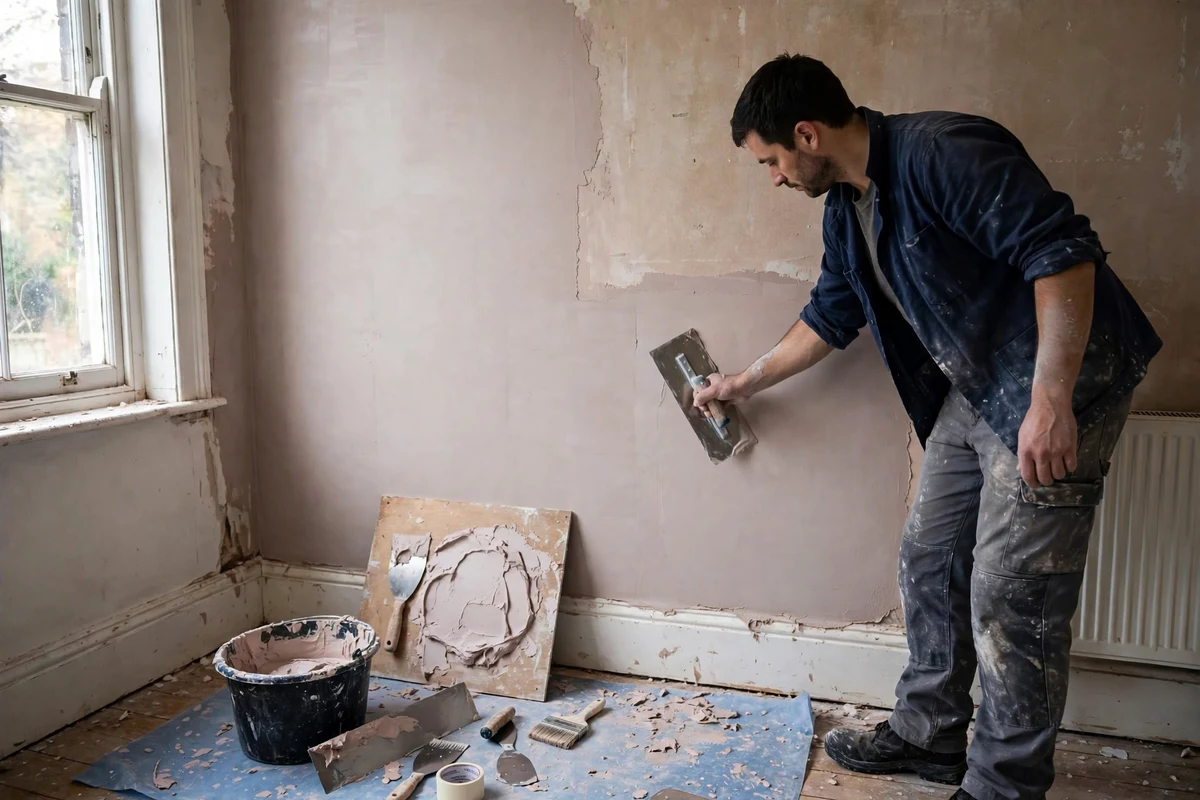
Skimming is a thin coat of finishing plaster — usually British Gypsum Thistle MultiFinish or similar — applied over an existing wall by a plasterer. It is typically 2–3mm thick and produces a smooth, hard, continuous plaster surface that is ready to paint once dry.
Skimming is a skilled trade. A good plasterer can skim a room in a day and leave a finish that looks flawless under paint. A bad skim — trowel marks, a wavy surface, a feathered edge that shows — is worse than no skim at all. Unlike lining paper, skimming is not really a DIY job for a first-timer: the plaster sets fast, and once it has gone off you cannot rework it.
Lining Paper vs Skimming: Head-to-Head
| Attribute | Lining paper | Skimming plaster |
|---|---|---|
| Cost (typical, UK) | Low. Materials for a room are typically £30–£80 (paper, paste, tools). DIY labour is free; hiring a decorator to hang it is typically £150–£300 a room. | Higher. A plasterer typically charges £200–£350 a day, and a room is typically £400–£800 depending on size, condition and location. |
| Finish quality | Good, not perfect. Seams can show under strong side light, and the paper can bubble if it is pasted badly. | Excellent. A good skim is a flawless, hard, continuous surface — the best finish you can get. |
| Time to paint-ready | Fast. Paper is usually dry enough to paint in 24–48 hours. | Slower. A skim typically needs 5–7 days to dry fully before painting, longer in winter or a damp house. |
| DIY difficulty | Moderate. A careful DIYer can hang lining paper well with patience and a sharp knife. | Hard. Skimming is a trade skill; a first attempt usually ends badly. |
| Durability | Good if kept dry. Paper can peel in damp rooms and tears if knocked. | Very durable. Hard plaster resists knocks and lasts decades. |
| Best for | Sound walls with minor imperfections, tight budgets, rentals, quick refreshes. | Damaged walls, blown plaster, period homes, rooms you want to look flawless, homes you are selling. |
Cost Comparison in the UK
Cost is usually what decides this choice, so here are realistic figures. Lining paper is the cheap option by a wide margin. A roll of 1200-grade lining paper is typically £8–£15, and a room usually needs two to four rolls plus paste and a few tools — so materials for a room are typically £30–£80. If you hire a decorator to hang it, add typically £150–£300 per room depending on where you live.
Skimming costs more because you are paying for a skilled trade. A plasterer in the UK typically charges £200–£350 per day, and a standard room takes a day or so, so a room is typically £400–£800 all in, depending on size, how much preparation the wall needs, and whether you are in London or the South East (where rates run higher). Get two or three quotes and ask each plasterer to spell out what is included — preparation, repairs and the finishing coat are sometimes priced separately, and two quotes for the same room can describe very different amounts of work.
Which Gives the Better Finish?
Skimming wins on finish, and it is not close. A good skim is a hard, smooth, continuous surface with no seams, and it takes paint beautifully. If you want a room to look genuinely flawless — especially a living room or a bedroom in a home you are selling — a skim is the right choice.
Lining paper gives a good finish, not a perfect one. On a well-prepared wall with a heavy grade, it can look very good. But seams can show under strong side light from a window, and any bubble or crease will show through paint. It also has a slightly softer, papery feel compared with plaster. For a quick refresh, a rental, or a room where the finish does not need to be perfect, lining paper is more than good enough.
When Lining Paper Is the Better Choice
Lining paper is the right call when the walls are basically sound but scruffy — small patches of filler, hairline cracks, a few plug holes, old adhesive marks. It is also the right call when money is tight, when you are doing the work yourself, when you need the room back quickly, or when you are decorating a rental and do not want to spend on a plasterer. It is a good option after stripping wallpaper, which is when most people face this decision: if the plaster underneath is intact with only small patches missing, lining paper is a cost-effective way to get a paintable wall without hiring a trade.
One thing lining paper will not do is hide damp. If the wall is damp, the paper will bubble and peel, and the damp will show through. Fix the damp first — our guide to what causes damp on internal walls will help you work out whether you are dealing with a leak, condensation or rising damp before you cover the wall up.
When Skimming Is the Better Choice
Skimming is the right call when the plaster is in a bad way — large patches coming off, hollow-sounding blown plaster, deep cracks, or a wall that is visibly uneven. Lining paper cannot fix those problems; it will just follow the shape of the bad wall underneath and will eventually peel or crack along with it.
Skimming is also the better choice when you want the best possible finish, when you are selling the house and the rooms need to look their best, or when the room is a period home where a plaster finish is part of the character. And if you plan to tile the wall — a bathroom or a kitchen splashback — a skim gives the flat, solid base that tiles need.
Can You Paint Over Lining Paper?
Yes — lining paper is made to be painted over. Once it is fully dry (allow at least 24–48 hours), apply two coats of emulsion, just as you would on a plastered wall. You do not normally need a primer on lining paper, though a mist coat or a coat of primer can help on a heavy grade or a paper that is very absorbent. Use a roller rather than a brush where you can: it gives a more even coat and is less likely to lift a seam. And do not soak the paper with the first coat — a thin first coat, let it dry, then a full second coat.
Can You Just Paint Over the Old Wallpaper Instead?
Sometimes, and it is worth considering before you strip anything. If the old wallpaper is firmly stuck, flat, and in good condition with no peeling edges, you can paint over it: clean it, seal any loose edges with paste, spot-prime stains with a stain-blocking primer, and apply two coats of emulsion. It works best with plain or lightly textured paper in a room that is dry.
It does not work well on loose, bubbling or vinyl-coated paper, on woodchip, or in damp rooms — the paint will lift the paper and you will end up stripping it anyway. And painted wallpaper is hard to remove later, so think of it as a semi-permanent decision. If the paper is in poor condition, strip it and then choose between lining paper and a skim.
How Long Does Each Take to Dry?
Lining paper is usually dry enough to paint in 24–48 hours, depending on the room temperature and ventilation. Do not rush it — painting damp paper will bubble it and you will have to start again.
A skim takes longer. Fresh plaster is dark when wet and turns pale pink as it dries; it is typically ready to paint after 5–7 days in a warm, ventilated room, and longer in winter or in a cold, damp house. Do not paint it while it is still dark or patchy — trapped moisture will cause the paint to peel. A mist coat (emulsion thinned with water) goes on first, then your topcoats. If the wall has a history of mould, treat it before you decorate — see our guide on how to treat mould on walls before painting.
Which Should You Choose? The Verdict
If the walls are sound with only minor damage, choose lining paper. It is cheaper, faster, DIY-friendly, and the finish is good enough for most rooms. If the walls are badly damaged, blown, or very uneven, choose a skim — lining paper cannot fix a bad wall, and you will end up paying for the skim later anyway.
And if you are selling the house or want the best finish you can get, a skim is worth the money. For a rental, a quick refresh, or a room where the budget matters more than perfection, lining paper is the sensible choice. Whichever you choose, preparation is what decides the result: strip properly, fill and sand, check for damp — see our guide on how to stop mould coming back on walls if damp is a recurring problem — and do not rush the drying time.
How to Prepare Walls for Either Option
Good preparation is the same for both. Strip the old wallpaper fully and remove all adhesive. Tap the plaster: if it sounds hollow, that section is blown and needs to come off before either option will work. Fill holes and cracks, sand them smooth, and dust the wall down. Check for damp and fix the source — never cover a damp wall with paper or plaster. Finally, size the wall if you are papering (a thin coat of diluted paste seals the surface and makes the paper easier to position), or leave the wall bare and clean if you are skimming. A plasterer will tell you if the background needs a bonding agent or a scratch coat first.
Frequently Asked Questions
Can you put lining paper over old plaster?
Yes, if the plaster is sound — firmly attached, reasonably flat, and dry. Fill any holes and cracks first, sand them smooth, and remove loose material. If the plaster is blown (hollow-sounding) or crumbling, it needs to come off and be repaired or skimmed instead.
Do you need to seal lining paper before painting?
Usually not. Once the paper is fully dry, two coats of emulsion are enough. On a very absorbent heavy grade, a mist coat or a coat of primer first can help the topcoat go on more evenly — but for most lining paper, paint straight over it.
How long does skimming take to dry before painting?
Typically 5–7 days in a warm, ventilated room. Fresh plaster is dark when wet and turns pale pink as it dries — wait until it is uniformly pale. In winter or a cold house it can take two weeks or more. Never paint plaster that is still dark or patchy.
Is lining paper cheaper than skimming?
Yes, by a wide margin. Materials for a room are typically £30–£80 for lining paper, or typically £150–£300 a room if you hire a decorator to hang it. Skimming a room is typically £400–£800, because you are paying for a skilled plasterer.
Can lining paper hide cracks?
It can hide hairline cracks and small imperfections, especially in a heavy grade (1700 or 2000). It cannot hide large cracks, blown plaster or structural movement — those need to be repaired or skimmed, because the paper will crack along with the wall.