 by
by While water filters and softeners deal with what comes out of your taps, an air purifier for your home tackles what you breathe indoors. This guide covers how air purifiers work, what they help with, and how to choose one that suits your household.
What Does an Air Purifier Actually Do?
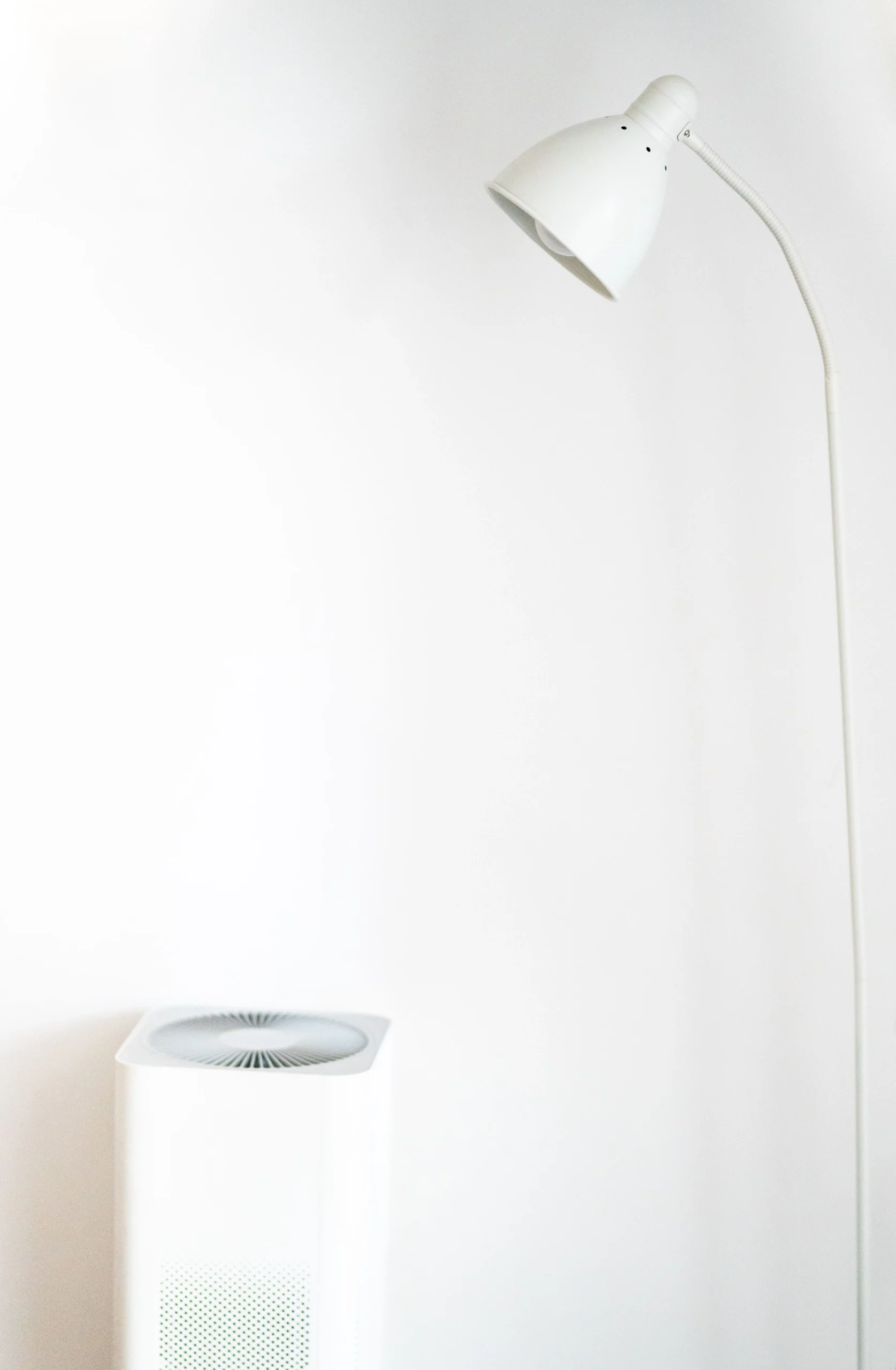
An air purifier draws in room air, passes it through one or more filters, and releases cleaner air back into the space. Depending on the filter type, this can reduce dust, pollen, pet dander, smoke particles, and some airborne odours.
Common Types of Air Purifier Filters
- HEPA filters – capture very fine particles, including dust, pollen, and pet dander; look for H13-grade HEPA, tested to European standard EN 1822, for the most effective home units
- Activated carbon filters – target odours and certain gases, often paired with HEPA filtration
- UV-C light purifiers – aim to neutralise certain bacteria and viruses, usually alongside other filter stages
- Ionisers – charge particles so they settle out of the air more quickly, though results vary between models
Who Benefits Most From an Air Purifier?
Households with allergy sufferers, asthma, pet owners, or those in areas with higher outdoor pollution tend to notice the biggest benefit. Allergy UK recognises certain air purifier models under its seal of approval scheme for reducing allergens. That said, many people simply prefer the feeling of fresher indoor air, particularly in bedrooms or living spaces used for long periods.
Choosing the Right Size for Your Room
Purifiers are typically rated for a specific room size, based on how quickly they can cycle the air in that space. Choosing a unit rated for a room larger than your actual space generally gives faster, more effective purification, rather than running a smaller unit at maximum capacity constantly.
Where to Place an Air Purifier
Position purifiers away from walls and furniture to allow proper airflow, ideally in a spot where air circulates naturally through the room. Bedrooms and living rooms, where people spend the most time, are usually the priority locations for a first purifier.
Running Costs and Maintenance
Beyond the initial purchase, ongoing costs include electricity use and periodic filter replacement, typically every 6-12 months depending on the model and usage. HEPA filters generally can’t be washed and reused, so factor replacement costs into your overall budget.
Air Purifiers vs. Ventilation
An air purifier improves air quality within a closed room but doesn’t replace proper ventilation. Opening windows periodically, alongside using a purifier, gives the best overall indoor air quality, rather than relying on filtration alone.
CADR Explained: The Number That Matters
Ignore most marketing claims and look at CADR (Clean Air Delivery Rate) — the standardised measure of how much clean air a purifier delivers per hour. Match CADR to room size: a purifier with CADR 200 m³/h suits rooms up to about 25m². Anything without a published CADR is a red flag. Note that CADR is measured per pollutant type (dust, pollen, smoke) — check the figure for your specific concern, as they differ.
Air Purifiers for Allergies: What to Look For
Allergy sufferers need true HEPA filtration (H13 grade or better), which captures 99.95% of particles down to 0.1 microns — pollen, dust mite debris and pet dander included. “HEPA-type” or “HEPA-like” are marketing terms for inferior filters; insist on the real standard. Activated carbon helps with odours but does little for allergens. Run the unit in the bedroom overnight — you spend a third of your life there, making it the highest-value room to purify.
Do Air Purifiers Help With Damp and Mould?
Partly. Purifiers capture airborne mould spores, reducing what you breathe — genuinely useful for allergy-prone occupants. But they do nothing about the moisture causing the mould; without fixing ventilation, insulation or leaks, you are treating symptoms. Think of a purifier as complementary to, never a replacement for, proper damp remediation. If mould keeps returning, a dehumidifier plus ventilation upgrades address the root cause.
Noise Levels: What to Expect
Purifiers are quietest on low — typically 25–35 decibels, fine for bedrooms — and noticeably louder on turbo (50–65 dB, like conversation). The trick is buying enough capacity to run on low: an oversized unit on quiet mode cleans more air than an undersized one roaring on high. Check the noise rating at the speed you will actually use, not just the headline minimum. Sleep modes that dim lights and drop fan speed are worth having.
When an Air Purifier Isn’t the Answer
Purifiers cannot fix source problems: smoking indoors, unvented gas cooking without extraction, or serious damp all overwhelm any purifier. They do not reduce CO2 — only ventilation does that — so a stuffy sealed room still needs fresh air. And they are pointless in rooms with windows constantly open; you are purifying the neighbourhood. Buy one for the right reasons: a specific pollutant, in a specific room, with realistic expectations. For whole-home air quality approaches, see our home filtration guide.
Frequently Asked Questions
Do air purifiers actually work?
Yes, particularly HEPA-filter models, which are effective at reducing airborne particles like dust, pollen, and pet dander in a room.
How often should I replace my air purifier filter?
Most filters need replacing every 6-12 months, though this varies based on the model and how much the purifier is used.
Can an air purifier help with allergies?
Many allergy sufferers notice a reduction in symptoms with a HEPA-filter purifier, particularly in bedrooms where dust and pollen can accumulate.
Do air purifiers really work?
Yes for particles — true HEPA purifiers measurably reduce dust, pollen, pet dander and smoke in a room. They do not help with gases like CO2, damp sources, or rooms with windows wide open.
How long should you run an air purifier each day?
Continuously on low is most effective — air re-pollutes within hours of switching off. Modern units cost only pennies a day to run this way.
Can an air purifier help with pet allergies?
Yes significantly, provided it uses true HEPA filtration sized for the room. Keep bedroom doors closed and run it overnight where you sleep for the biggest benefit.
Related Home Purification Guides
- Water Filters for Home: The Complete Buying Guide
- Home Water Filtration Systems Explained
- Reverse Osmosis Systems for the Home: How They Work
- Do You Need a Water Softener for Your Home?