 by
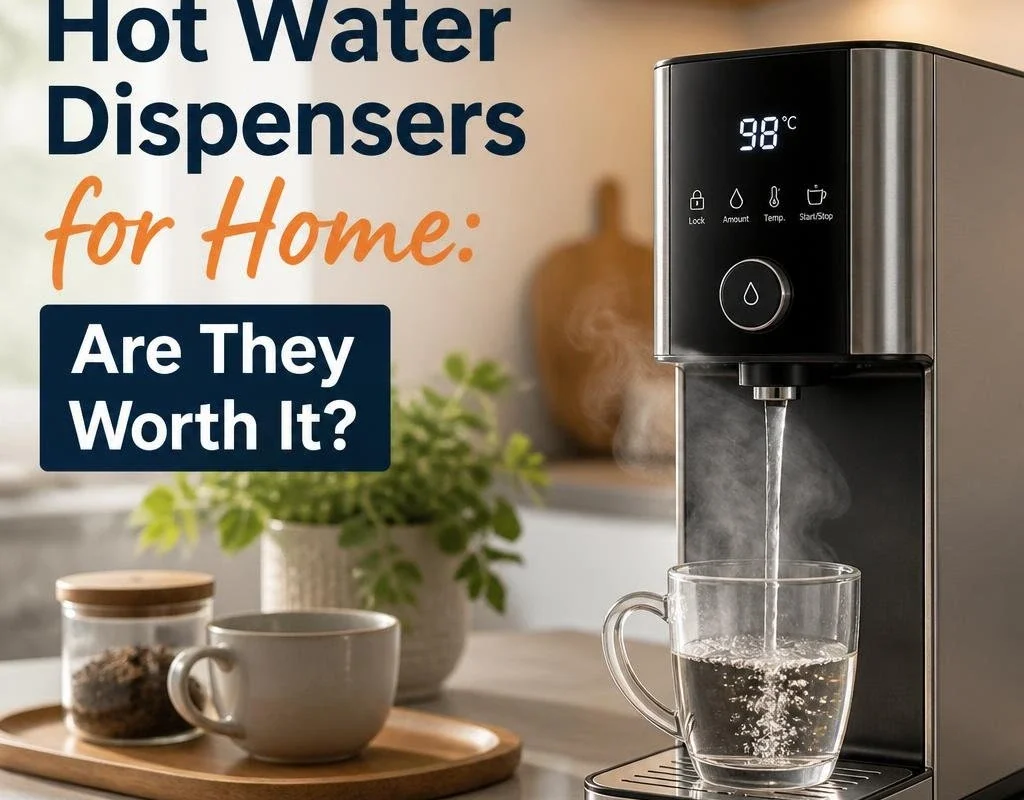
by A hot water dispenser for home use delivers near-boiling water instantly, without waiting for a kettle to boil. This guide covers how they work, the running costs involved, and whether one is genuinely worth adding to your kitchen.
How a Hot Water Dispenser Works
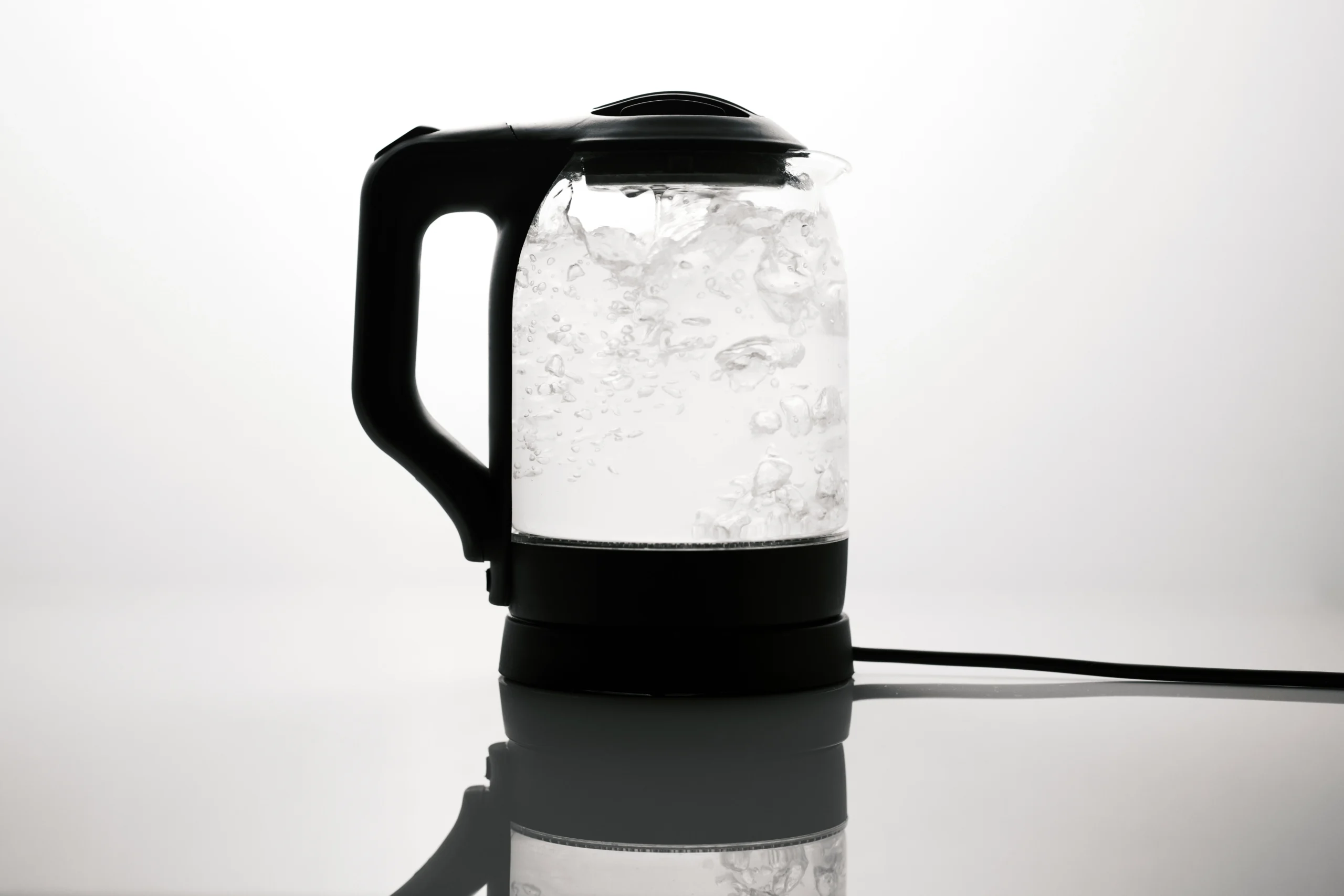
Most dispensers keep a small internal tank heated and insulated, ready to deliver hot water on demand at the press of a button or lever. This differs from a kettle, which heats water fresh each time it’s switched on.
Types of Hot Water Dispensers
- Countertop dispensers – freestanding units that sit on the worktop, similar in size to a kettle
- Instant boiling water taps – plumbed directly into the kitchen tap, with a separate tank fitted under the sink
- Combination taps – provide both hot and regular cold or filtered water from a single tap fitting
For households already considering a water filter for home, some combination taps integrate filtration and hot water dispensing into one unit.
Instant Taps vs. Kettles: What’s the Real Difference?
An instant hot water tap saves the wait time of boiling a kettle, which adds up if you make several hot drinks a day. However, kettles remain more energy-efficient per use in many cases, since dispensers keep water hot continuously rather than heating on demand.
Running Costs to Consider
Keeping a tank of water hot around the clock does use ongoing electricity, even when the tap isn’t in use. For households making frequent hot drinks throughout the day, this is often offset by not repeatedly boiling a full kettle for a single cup. Lower-usage households may find a standard kettle more cost-effective overall.
Installation Considerations
Countertop dispensers need no installation beyond a standard plug socket. Instant boiling water taps, on the other hand, typically require professional plumbing installation, along with space under the sink for the heating tank.
Safety Features to Look For
Since these dispensers deliver near-boiling water, child-lock buttons or dual-action levers are worth prioritising, particularly in households with children. Insulated exteriors also help prevent accidental burns from the unit itself.
Is a Hot Water Dispenser Worth It?
For households that make tea or instant coffee frequently throughout the day, the convenience of instant hot water often justifies the investment. For occasional use, a good kettle may remain the simpler, more cost-effective choice.
How Much Energy Do They Really Save?
The headline claim — boiling only what you need — is genuine. Heating a full 1.7L kettle for one mug wastes roughly two-thirds of the energy; a dispenser heats only the cupful, on demand. For a two-cup-a-day household, savings run £20 to £40 a year versus kettle boiling — modest, but real. Heavy tea-drinking households save more. Against that, set the standby cost: most units keep a small tank hot continuously, drawing 10–30W around the clock. Do the maths for your usage before assuming big savings.
Water Filters and Limescale: The Maintenance Reality
In hard-water Britain, limescale management defines the ownership experience. Most boiling-water taps include a filter that needs replacing every 6 months (£25–£40 a time) — skip it and flow slows, taste suffers, and warranties can void. Countertop models need regular descaling. Factor £50 to £80 a year in consumables into your cost calculations; it is the running cost people forget. Soft-water areas have it easy: annual attention suffices.
Safety Around Children: What the Standards Say
Boiling water on tap understandably worries parents. Modern taps require a deliberate two-step action — push-and-turn or press-and-hold — plus many have child-safe modes or PIN locks. Countertop dispensers with locking spouts are similarly protected. Accidents overwhelmingly involve kettles, not dispensers, precisely because kettles have no safety interlock at all. Still, teach children the tap is not a toy, and consider models with cool-touch spouts if toddlers are about.
Installation Costs: What Plumbers Charge
An under-sink boiling water unit typically costs £150 to £300 to install on top of the unit price, assuming standard plumbing and a spare socket under the sink — most installations take 1 to 2 hours. Costs rise if you need a new socket spurred, the sink needs an extra tap hole drilled (composite and ceramic sinks), or water pressure needs boosting. Countertop dispensers need no installation at all: fill, plug in, done. Get the plumbing quote before buying the unit, not after.
Do They Add Value to a Kitchen?
Estate agents report boiling water taps are a genuine selling point in mid-to-upper market kitchens — buyers recognise the £400+ price tag and read it as a premium fit-out signal. In budget kitchens the return is weaker; the money might work harder on worktops or appliances. As with all fitted extras, choose a reputable brand with available filters and spares — an orphaned unit needing unobtainable cartridges actively detracts. For other ways to upgrade the heart of the home, see our home coffee machine guide.
Frequently Asked Questions
Do hot water dispensers use a lot of electricity?
They use a moderate, continuous amount to maintain temperature, though this is often offset by not repeatedly boiling a full kettle throughout the day.
Are instant hot water taps safe for households with children?
Most include child-lock features or dual-action levers specifically to reduce the risk of accidental scalding.
Can a hot water dispenser replace a kettle entirely?
For hot drinks, yes in most cases. However, a kettle may still be useful for tasks needing larger volumes of boiling water at once.
Are boiling water taps expensive to run?
No — typically £20–£40 a year in electricity for average use, often less than wasteful kettle boiling. Filter replacements (£50–£80 yearly) are the bigger ongoing cost.
Do hot water dispensers need a filter?
Under-sink boiling taps almost always include one, needing replacement every 6 months in hard-water areas. Countertop models vary — check before buying.
Can I install a boiling water tap myself?
Countertop dispensers: yes, no plumbing needed. Under-sink boiling taps: a competent DIYer can, but most people use a plumber (£150–£300) for the water and electrical connections.
Related Kitchen Appliance Guides
- Coffee Machines for Home: The Complete Buying Guide
- Home Espresso Machines: What to Look For
- Home Coffee Grinders: Burr vs Blade Explained
- Homemade Chips in an Air Fryer: Easy Method