 by
Bathroom renovation cost UK figures shift every year, driven by material prices, labour demand, and changing design trends. This guide looks at where prices stand in 2026 and which trends are shaping how homeowners spend their budgets.
Bathroom Renovation Cost UK: 2026 Snapshot
In 2026, a mid-range bathroom renovation typically costs between £6,500 and £13,000, excluding VAT at the standard 20% rate, a modest increase on previous years due to higher material and labour costs. For a full breakdown by renovation type and room size, see our main bathroom renovation cost UK guide, or start with our complete bathroom renovation guide if you’re still in the planning stage.
What’s Driving Costs Up in 2026
- Continued demand for tradespeople, particularly plumbers and electricians, in many UK regions
- Higher prices for premium tiles and stone-effect porcelain, which remain popular choices
- Rising costs of underfloor heating (UFH) systems, now a common request in mid-range renovations
Regional Price Differences in 2026
Labour costs still vary significantly by region. London and the South East remain the most expensive areas for bathroom renovations, while the North of England, Wales, and Northern Ireland tend to offer more competitive day rates for equivalent work.
Popular Bathroom Trends Affecting Budgets
Wet Rooms and Level-Access Showers
Wet rooms continue to grow in popularity, partly due to their accessible, step-free design. However, they require extra waterproofing to British Standard BS 5385 and floor levelling work, which typically adds £500–£1,500 to the budget compared with a standard shower enclosure.
Warm, Textured Tile Finishes
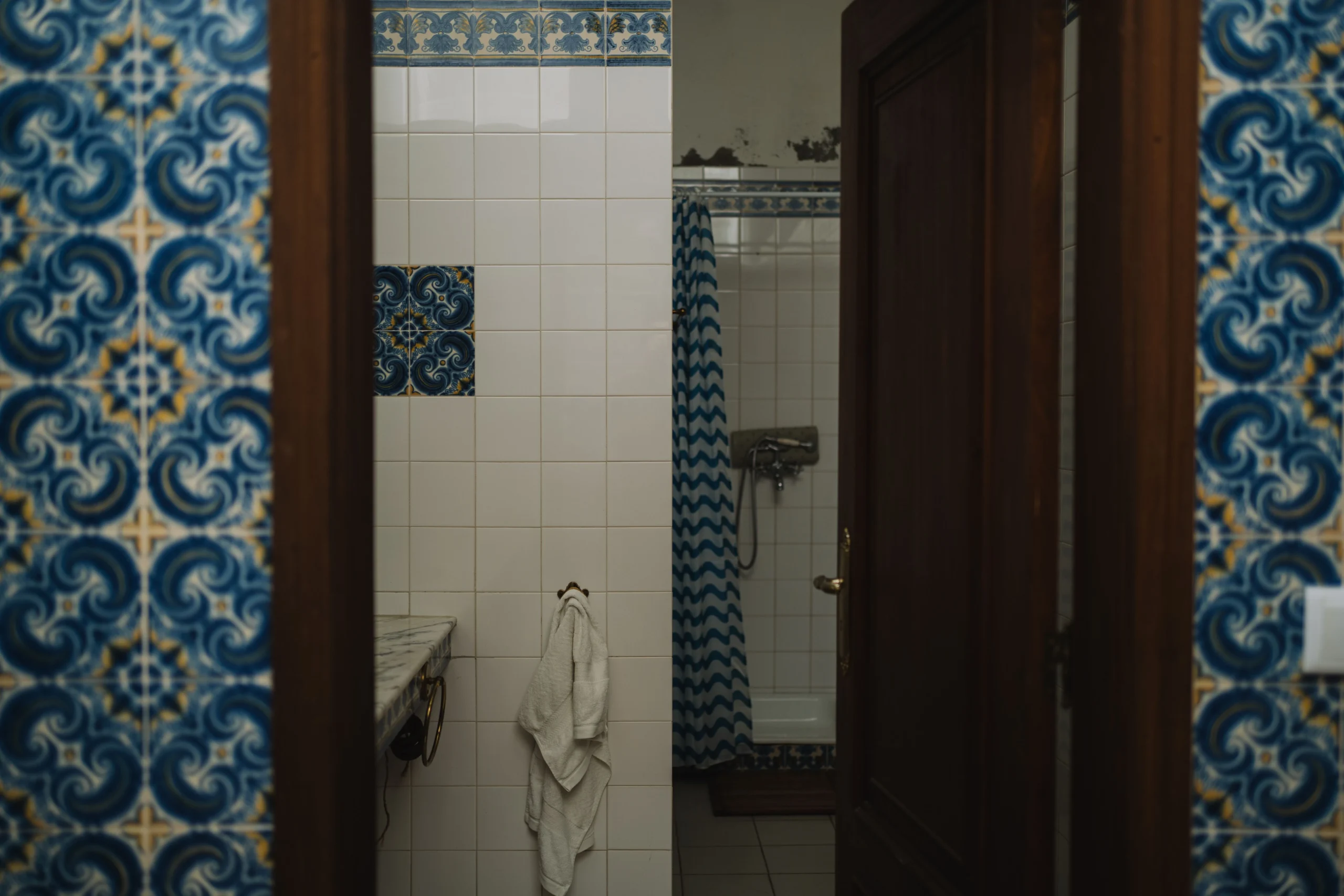
Homeowners are moving away from stark white bathrooms in favour of warmer tones, textured tiles, and finishes such as microcement. These options often cost slightly more per square metre than plain gloss tiles, but they require no extra installation time.
Smart Fixtures
Digital showers, sensor taps, and heated mirrors are appearing more often in mid-range renovations, not just luxury projects. These additions typically add £200–£800 to a project, depending on the number of smart fixtures chosen.
Will Bathroom Renovation Costs Rise Further?
Material and labour costs tend to track general construction inflation. As a result, planning your renovation sooner rather than later, and locking in quotes early with a tradesperson registered under TrustMark or the Federation of Master Builders, can help you avoid paying more for the same project a year down the line. For a quick, table-based cost comparison, see our bathroom renovation cost breakdown by project type.
How to Budget for a 2026 Bathroom Renovation
- Get quotes valid for at least 30 days, since prices can change quickly
- Set aside a 10–15% contingency fund for unexpected costs
- Compare at least three tradespeople before committing to a quote
- Ask whether current material costs are locked in for the duration of the project
If you’re working with a compact space, our small bathroom renovation cost UK guide covers size-specific pricing in more detail.
2026 Price List: What Common Jobs Cost
Concrete 2026 numbers, fitted, outside London: cloakroom refresh £1,800–£3,500; standard bathroom rip-out and refit £6,000–£11,000; high-end family bathroom £12,000–£20,000+; wet room conversion £8,000–£14,000. Within those totals: suite £400–£2,500, tiling £800–£2,500, labour £2,500–£6,000. London adds 20–35%. These bands held broadly stable through 2025 with modest inflation — the days of 2021–22’s sharp rises are over.
How 2026 Compares to 2024–2025
The market has calmed notably. Material prices stabilised after the post-pandemic spikes — sanitaryware and tiles rose only 2–4% in 2025. Labour remains the pressure point: skilled fitter day rates crept up 5–8% as demand stayed strong. Overall, a bathroom costing £8,000 in early 2024 costs roughly £8,500–£9,000 now — meaningful but not shocking. The implication: waiting for prices to fall is unlikely to pay; they are stabilising, not reversing.
Best Months to Book a Bathroom Fitter in 2026
Timing affects both price and availability. January to March is traditionally quietest — fitters have gaps and may sharpen quotes. Spring books up fast as everyone acts on new-year plans. Summer is peak season: highest prices, longest waits. Autumn offers a second quieter window. Book 6–8 weeks ahead minimum in peak months; in January you might start within two weeks. Never rush a fitter choice to hit a date — a bad installer costs more than a month’s delay.
Negotiating Without Cutting Corners
Haggling on labour rarely works with good fitters — they are busy for a reason. Instead, negotiate scope smartly: doing your own rip-out and painting saves £300–£600; supplying your own suite (bought in sales) cuts the materials margin; flexible timing lets fitters fill gaps at better rates. Get everything agreed in writing before work starts, including what happens with unforeseen issues. The cheapest negotiation is choosing the right fitter first time — rework dwarfs any discount.
Is 2026 a Good Year to Renovate?
Honestly, yes — with caveats. Price stability means quotes you get now will roughly hold, unlike the volatile 2021–23 period. Fitter availability is reasonable outside peak months. Interest rates, while higher than the 2010s, have steadied, making financing predictable. The main risk is regulatory: evolving water-efficiency and ventilation standards could add requirements — check current Part G and Part F implications with your fitter. If your bathroom is tired and the budget exists, there is little reason to wait. For detailed cost planning, see our UK bathroom renovation cost guide.
Frequently Asked Questions
Are bathroom renovations more expensive in 2026 than in previous years?
Yes, modestly. Material and labour costs have risen slightly, pushing average renovation budgets up compared with previous years.
Are wet rooms worth the extra cost in 2026?
For many households, yes, particularly where accessibility or long-term flexibility is a priority. However, they do add to both cost and installation time.
Should I renovate now or wait for prices to fall?
Construction costs rarely fall significantly year over year. In most cases, locking in a quote now is more cost-effective than waiting.
How much does a bathroom cost in the UK in 2026?
A standard family bathroom runs £6,000–£11,000 fitted outside London; cloakrooms £1,800–£3,500; high-end renovations £12,000+. London adds 20–35%.
Are bathroom renovation costs going up?
Modestly — roughly 5–8% since early 2024, driven mainly by labour rates. Material prices have largely stabilised after the post-pandemic spikes.
When is the cheapest time to renovate a bathroom?
January to March, when fitters are quietest and most negotiable. Book 6–8 weeks ahead for spring and summer slots.
Related Bathroom Renovation Guides
- Bathroom Renovation: The Complete UK Guide
- Bathroom Renovation Cost UK: Complete Price Guide
- Small Bathroom Renovation Cost UK: What to Expect
- Bathroom Renovation Cost Breakdown